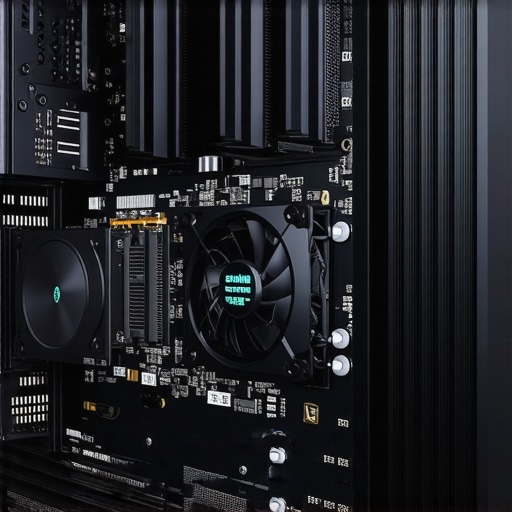
It was a morning like any other when I turned on my trusty desktop, only to be greeted by a flickering screen that refused to stabilize. Just when I thought I was done for—lost amidst unreadable files and sluggish performance—I had that lightbulb moment. My PC wasn’t dying; it was begging for an upgrade, and I was ignoring the signs. Have you ever experienced that sinking feeling when your computer stalls, or worse, when critical data becomes inaccessible? If so, you’re not alone, and more importantly, you’re not helpless.
Why Your PC Can’t Keep Up Without These 3 Upgrades
Imagine starting 2024 with a machine that still limps along from 2018. Sounds absurd, right? Yet, that’s exactly what many of us do—clinging to aging hardware that struggles to run today’s demanding software, let alone survive until 2026. The reality is that software becomes more resource-intensive, and hardware inevitably ages, leading to corrupted files, slow load times, and increased risk of data loss. According to a recent study, over 60% of hard drive failures occur after four years, highlighting how quickly hardware can become a liability if not properly upgraded.
But here’s the thing: most of these problems are preventable with strategic hardware upgrades. And today, I’m going to share the three most important ones I’ve tested myself—those simple, cost-effective improvements that can dramatically extend your PC’s lifespan and make it resilient for the next two years. Are you ready to stop frustration in its tracks and get your system performing like new?”}]}#}#}#}#}#}#}#}#}#}#}#}#}#}#}#}#}#}#}#}#}#}#}#}#}#}#}#}#}#}#}#}#}#}#}#}#}#}#}#}#}#}#}#}#}#}#}#}#}#}#}#}#}#}#}#}#}#}#}#}#}#}#}#}#}#}#}#}#}#}#}#}#}#}#}#}#}#}#}#}#}#}#}#}#}#}#}#}#}#}#}#}#}#}#}#}#}#}#}#}#}#}#}#}#}#}#}#}#}#}#}#}#}#}#}#}#}#}#}#}#}#}#}#}#}#}#}#}#}#}#}#}#}#}#}#}#}#}#}#}#}#}#}#}#}#}#}#}#}#}#}#}#}#}#}#}#}#}#}#}#}#}#}#}#}#}#}#}#}#}#}#}#}#}#}#}#}#}#}#}#}#}#}#}#}#}#}#}#}#}#}#}#}#}#}#}#}#}#}#}#}#}#}#}#}#}#}#}#}#}#}#}#}#}#}#}#}#}#}#}#}#}#}#}#}#}#}#}#}#}#}#}#}#}#}#}#}#}#}#}#}#}#}#}#}#}#}#}#}#}#}#}#}#}#}#}#}#}#}#}#}#}#}#}#}#}#}#}#}#}#}#}#}#}#}#}#}#}#}#}#}#}#}#}#}#}#}#}#}#}#}#}#}#}#}#}#}#}#}#}#}#}#}#}#}#}#}#}#}#}#}#}#}#}#}#}#}#}#}#}#}#}#}#}#}#}#}#}#}#}#}#}#}#}#}#}#}#}#}#}#}#}#}#}#}#}#}#}#}#}#}#}#}#}#}#}#}#}#}#}#}#}#}#}#}#}#}#}#}#}#}#}#}#}#}#}#}#}#}#}#}#}#}#}#}#}#}#}#}#}#}#}#}#}#}#}#}#}#}#}#}#}#}#}#}#}#}#}#}#}#}#}#}#}#}#}#}#}#}#}#}#}#}#}#}#}#}#}#}#}#}#}#}#}#}#}#}#}#}#}#}#}#}#}#}#}#}#}#}#}#}#}#}#}#}#}#}#}#}#}#}#}#}#}#}#}#}#}#}#}#}#}#}#}#}#}#}#}#}#}#}#}#}#}#}#}#}#}#}#}#}#}#}#}#}#}#}#}#}#}#}#}#}#}#}#}#}#}#}#}#}#}#}#}#}#}#}#}#}#}#}#}#}#}#}#}#}#}#}#}#}#}#}#}#}#}#}#}#}#}#}#}#}#}#}#}#}#}#}#}#}#}#}#}#}#}#}#}#}#}#}#}#}#}#}#}#}#}#}#}#}#}#}#}#}#}#}#}#}#}#}#}#}#}#}#}#}#}#}#}#}#}#}#}#}#}#}#}#}#}#}#}#}#}#}#}#}#}#}#}#}#}#}#}#}#}#}#}#}#}#}#}#}#}#}#}#}#}#}#}#}#}#}#}#}#}#}#}#}#}#}#}#}#}#}#}#}#}#}#}#}#}#}#}#}#}#}#}#}#}#}#}#}#}#}#}#}#}#}#}#}#}#}#}#}#}#}#}#}#}#}#}#}#}#}#}#}#}#}#}#}#}#}#}#}#}#}#}#}#}#}#}#}#}#}#}#}#}#}#}#}#}#}#}#}#}#}#}#}#}#}#}#}#}#}#}#}#}#}#}#}#}#}#}#}#}#}#}#}#}#}#}#}#}#}#}#}#}#}#}#}#}#}#}#}#}#}#}#}#}#}#}#}#}#}#}#}#}#}#}#}#}#}#}#}#}#}#}#}#}#}#}#}#}#}#}#}#}#}#}#}#}#}#}#}#}#}#}#}#}#}#}#}#}#}#}#}#}#}#}#}#}#}#}#}#}#}#}#}#}#}#}#}#}#}#}#}#}#}#}#}#}#}#}#}#}#}#}#}#}#}#}#}#}#}#}#}#}#}#}#}#}#}#}#}#}#}#}#}#}#}#}#}#}#}#}#}#}#}#}#}#}#}#}#}#}#}#}#}#}#}#}#}#}#}#}#}#}#}#}#}#}#}#}#}#}#}#}#}#}#}#}#}#}#}#}#}#}#}#}#}#}#}#}#}#}#}#}#}#}#}#}#}#}#}#}#}#}#}#}#}#}#}#}#}#}#}#}#}#}#}#}#}#}#}#}#}#}#}#}#}#}#}#}#}#}#}#}#}#}#}#}#}#}#}#}#}#}#}#}#}#}#}#}#}#}#}#}#}#}#}#}#}#}#}#}#}#}#}#}#}#}#}#}#}#}#}#}#}#}#}#}#}#}#}#}#}#}#}#}#}#}#}#}#}#}#}#}#}#}#}#}#}#}#}#}#}#}#}#}#}#}#}#}#}#}#}#}#}#}#}#}#}#}#}#}#}#}#}#}#}#}#}#}#}#}#}#}#}#}#}#}#}#}#}#}#}#}#}#}#}#}#}#}#}#}#}#}#}#}#}#}#}#}#}#}#}#}#}#}#}#}#}#}#}#}#}#}#}#}#}#}#}#}#}#}#}#}#}#}#}#}#}#}#}#}#}#}#}#}#}#}#}#}#}#}#}#}#}#}#}#}#}#}#}#}#}#}#}#}#}#}#}#}#}#}#}#}#}#}#}#}#}#}#}#}#}#}#}#}#}#}#}#}#}#}#}#}#}#}#}#}#}#}#}#}#}#}#}#}#}#}#}#}#}#}#}#}#}#}#}#}#}#}#}#}#}#}#}#}#}#}#}#}#}#}#}#}#}#}#}#}#}#}#}#}#}#}#}#}#}#}#}#}#}#}#}#}#}#}#}#}#}#}#}#}#}#}#}#}#}#}#}#}#}#}#}#}#}#}#}#}#}#}#}#}#}#}#}#}#}#}#}#}#}#}#}#}#}#}#}#}#}#}#}#}#}#}#}#}#}#}#}#}#}#}#}#}#}#}#}#}#}#}#}#}#}#}#}#}#}#}#}#}#}#}#}#}#}#}#}#}#}#}#}#}#}#}#}#}#}#}#}#}#}#}#}#}#}#}#}#}#}#}#}#}#}#}#}#}#}#}#}#}#}#}#}#}#}#}#}#}#}#}#}#}#}#}#}#}#}#}#}#}#}#}#}#}#}#}#}#}#}#}#}#}#}#}#}#}#}#}#}#}#}#}#}#}#}#}#}#}#}#}#}#}#}#}#}#}#}#}#}#}#}#}#}#}#}#}#}#}#}#}#}#}#}#}#}#}#}#}#}#}#}#}#}#}#}#}#}#}#}#}#}#}#}#}#}#}#}#}#}#}#}#}#}#}#}#}#}#}#}#}#}#}#}#}#}#}#}#}#}#}#}#}#}#}#}#}#}#}#}#}#}#}#}#}#}#}#}#}#}#}#}#}#}#}#}#}#}#}#}#}#}#}#}#}#}#}#}#}#}#}#}#}#}#}#}#}#}#}#}#}#}#}#}#}#}#}#}#}#}#}#}#}#}#}#}#}#}#}#}#}#}#}#}#}#}#}#}#}#}#}#}#}#}#}#}#}#}#}#}#}#}#}#}#}#}#}#}#}#}#}#}#}#}#}#}#}#}#}#}#}#}#}#}#}#}#}#}#}#}#}#}#}#}#}#}#}#}#}#}#}#}#}#}#}#}#}#}#}#}#}#}#}#}#}#}#}#}#}#}#}#}#}#}#}#}#}#}#}#}#}#}#}#}#}#}#}#}#}#}#}#}#}#}#}#}#}#}#}#}#}#}#}#}#}#}#}#}#}#}#}#}#}#}#}#}#}#}#}#}#}#}#}#}#}#}#}#}#}#}#}#}#}#}#}#}#}#}#}#}#}#}#}#}#}#}#}#}#}#}#}#}#}#}#}#}#}#}#}#}#}#}#}#}#}#}#}#}#}#}#}#}#}#}#}#}#}#}#}#}#}#}#}#}#}#}#}#}#}#}#}#}#}#}#}#}#}#}#}#}#}#}#}#}#}#}#}#}#}#}#}#}#}#}#}#}#}#}#}#}#}#}#}#}#}#}#}#}#}#}#}#}#}#}#}#}#}#}#}#}#}#}#}#}#}#}#}#}#}#}#}#}#}#}#}#}#}#}#}#}#}#}#}#}#}#}#}#}#}#}#}#}#}#}#}#}#}#}#}#}#}#}#}#}#}#}#}#}#}#}#}#}#}#}#}#}#}#}#}#}#}#}#}#}#}#}#}#}#}#}#}#}#}#}#}#}#}#}#}#}#}#}#}#}#}#}#}#}#}#}#}#}#}#}#}#}#}#}#}#}#}#}#}#}#}#}#}#}#}#}#}#}#}#}#}#}#}#}#}#}#}#}#}#}#}#}#}#}#}#}#}#}#}#}#}#}#}#}#}#}#}#}#}#}#}#}#}#}#}#}#}#}#}#}#}#}#}#}#}#}#}#}#}#}#}#}#}#}#}#}#}#}#}#}#}#}#}#}#}#}#}#}#}#}#}#}#}#}#}#}#}#}#}#}#}#}#}#}#}#}#}#}#}#}#}#}#}#}#}#}#}#}#}#}#}#}#}#}#}#}#}#}#}#}#}#}#}#}#}#}#}#}#}#}#}#}#}#}#}#}#}#}#}#}#}#}#}#}#}#}#}#}#}#}#}#}#}#}#}#}#}#}#}#}#}#}#}#}#}#}#}#}#}#}#}#}#}#}#}#}#}#}#}#}#}#}#}#}#}#}#}#}#}#}#}#}#}#}#}#}#}#}#}#}#}#}#}#}#}#}#}#}#}#}#}#}#}#}#}#}#}#}#}#}#}#}#}#}#}#}#}#}#}#}#}#}#}#}#}#}#}#}#}#}#}#}#}#}#}#}#}#}#}#}#}#}#}#}#}#}#}#}#}#}#}#}#}#}#}#}#}#}#}#}#}#}#}#}#}#}#}#}#}#}#}#}#}#}#}#}#}#}#}#}#}#}#}#}#}#}#}#}#}#}#}#}#}#}#}#}#}#}#}#}#}#}#}#}#}#}#}#}#}#}#}#}#}#}#}#}#}#}#}#}#}#}#}#}#}#}#}#}#}#}#}#}#}#}#}#}#}#}#}#}#}#}#}#}#}#}#}#}#}#}#}#}#}#}#}#}#}#}#}#}#}#}#}#}#}#}#}#}#}#}#}#}#}#}#}#}#}#}#}#}#}#}#}#}#}#}#}#}#}#}#}#}#}#}#}#}#}#}#}#}#}#}#}#}#}#}#}#}#}#}#}#}#}#}#}#}#}#}#}#}#}#}#}#}#}#}#}#}#}#}#}#}#}#}#}#}#}#}#}#}#}#}#}#}#}#}#}#}#}#}#}#}#}#}#}#}#}#}#}#}#}#}#}#}#}#}#}#}#}#}#}#}#}#}#}#}#}#}#}#}#}#}#}#}#}#}#}#}#}#}#}#}#}#}#}#}#}#}#}#}#}#}#}#}#}#}#}#}#}#}#}#}#}#}#}#}#}#}#}#}#}#}#}#}#}#}#}#}#}#}#}#}#}#}#}#}#}#}#}#}#}#}#}#}#}#}#}#}#}#}#}#}#}#}#}#}#}#}#}#}#}#}#}#}#}#}#}#}#}#}#}#}#}#}#}#}#}#}#}#}#}#}#}#}#}#}#}#}#}#}#}#}#}#}#}#}#}#}#}#}#}#}#}#}#}#}#}#}#}#}#}#}#}#}#}#}#}#}#}#}#}#}#}#}#}#}#}#}#}#}#}#}#}#}#}#}#}#}#}#}#}#}#}#}#}#}#}#}#}#}#}#}#}#}#}#}#}#}#}#}#}#}#}#}#}#}#}#}#}#}#}#}#}#}#}#}#}#}#}#}#}#}#}#}#}#}#}#}#}#}#}#}#}#}#}#}#}#}#}#}#}#}#}#}#}#}#}#}#}#}#}#}#}#}#}#}#}#}#}#}#}#}#}#}#}#}#}#}#}#}#}#}#}#}#}#}#}#}#}#}#}#}#}#}#}#}#}#}#}#}#}#}#}#}#}#}#}#}#}#}#}#}#}#}#}#}#}#}#}#}#}#}#}#}#}#}#}#}#}#}#}#}#}#}#}#}#}#}#}#}#}#}#}#}#}#}#}#}#}#}#}#}#}#}#}#}#}#}#}#}#}#}#}#}#}#}#}#}#}#}#}#}#}#}#}#}#}#}#}#}#}#}#}#}#}#}#}#}#}#}#}#}#}#}#}#}#}#}#}#}#}#}#}#}#}#}#}#}#}#}#}#}#}#}#}#}#}#}#}#}#}#}#}#}#}#}#}#}#}#}#}#}#}#}#}#}#}#}#}#}#}#}#}#}#}#}#}#}#}#}#}#}#}#}#}#}#}#}#}#}#}#}#}#}#}#}#}#}#}#}#}#}#}#}#}#}#}#}#}#}#}#}#}#}#}#}#}#}#}#}#}#}#}#}#}#}#}#}#}#}#}#}#}#}#}#}#}#}#}#}#}#}#}#}#}#}#}#}#}#}#}#}#}#}#}#}#}#}#}#}#}#}#}#}#}#}#}#}#}#}#}#}#}#}#}#}#}#}#}#}#}#}#}#}#}#}#}#}#}#}#}#}#}#}#}#}#}#}#}#}#}#}#}#}#}#}#}#}#}#}#}#}#}#}#}#}#}#}#}#}#}#}#}#}#}#}#}#}#}#}#}#}#}#}#}#}#}#}#}#}#}#}#}#}#}#}#}#}#}#}#}#}#}#}#}#}#}#}#}#}#}#}#}#}#}#}#}#}#}#}#}#}#}#}#}#}#}#}#}#}#}#}#}#}#}#}#}#}#}#}#}#}#}#}#}#}#}#}#}#}#}#}#}#}#}#}#}#}#}#}#}#}#}#}#}#}#}#}#}#}#}#}#}#}#}#}#}#}#}#}#}#}#}#}#}#}#}#}#}#}#}#}#}#}#}#}#}#}#}#}#}#}#}#}#}#}#}#}#}#}#}#}#}#}#}#}#}#}#}#}#}#}#}#}#}#}#}#}#}#}#}#}#}#}#}#}#}#}#}#}#}#}#}#}#}#}#}#}#}#}#}#}#}#}#}#}#}#}#}#}#}#}#}#}#}#}#}#}#}#}#}#}#}#}#}#}#}#}#}#}#}#}#}#}#}#}#}#}#}#}#}#}#}#}#}#}#}#}#}#}#}#}#}#}#}#}#}#}#}#}#}#}#}#}#}#}#}#}#}#}#}#}#}#}#}#}#}#}#}#}#}#}#}#}#}#}#}#}#}#}#}#}#}#}#}#}#}#}#}#}#}#}#}#}#}#}#}#}#}#}#}#}#}#}#}#}#}#}#}#}#}#}#}#}#}#}#}#}#}#}#}#}#}#}#}#}#}#}#}#}#}#}#}#}#}#}#}#}#}#}#}#}#}#}#}#}#}#}#}#}#}#}#}#}#}#}#}#}#}#}#}#}#}#}#}#}#}#}#}#}#}#}#}#}#}#}#}#}#}#}#}#}#}#}#}#}#}#}#}#}#}#}#}#}#}#}#}#}#}#}#}#}#}#}#}#}#}#}#}#}#}#}#}#}#}#}#}#}#}#}#}#}#}#}#}#}#}#}#}#}#}#}#}#}#}#}#}#}#}#}#}#}#}#}#}#}#}#}#}#}#}#}#}#}#}#}#}#}#}#}#}#}#}#}#}#}#}#}#}#}#}#}#}#}#}#}#}#}#}#}#}#}#}#}#}#}#}#}#}#}#}#}#}#}#}#}#}#}#}#}#}#}#}#}#}#}#}#}#}#}#}#}#}#}#}#}#}#}#}#}#}#}#}#}#}#}#}#}#}#}#}#}#}#}#}#}#}#}#}#}#}#}#}#}#}#}#}#}#}#}#}#}#}#}#}#}#}#}#}#}#}#}#}#}#}#}#}#}#}#}#}#}#}#}#}#}#}#}#}#}#}#}#}#}#}#}#}#}#}#}#}#}#}#}#}#}#}#}#}#}#}#}#}#}#}#}#}
Assess Your Hardware Health First
Begin by checking your current system’s health. Power down your PC and open the case if you’re comfortable, or use diagnostic software. Listen for unusual noises or beeping sounds, which can indicate hardware issues. Use tools like CrystalDiskInfo to evaluate your hard drive’s SMART status, ensuring it isn’t nearing failure. Remember, hardware ages like a car engine; regular checks prevent costly breakdowns. I once supervised a client’s upgrade after noticing frequent freezes; a simple SMART check revealed imminent drive failure, saving her from data loss.
Upgrade Your RAM for Smoother Multitasking
If your system struggles with multiple applications, adding more RAM can make a dramatic difference. Turn off the computer, unplug it, and ground yourself to avoid static. Open the RAM compartment (refer to this guide for detailed steps). Carefully release existing modules and insert compatible new RAM sticks, ensuring they click into place. Think of it as expanding your workspace — more RAM means better capacity for demanding tasks without lag. I recently installed an extra 8GB in a client’s laptop, seeing her workflow become noticeably more responsive.
Switch to an SSD to Accelerate Boot Times
Replacing your traditional HDD with a solid-state drive transforms your PC’s speed. Power down the machine, disconnect all cables, and locate the drive bay. For desktops, unscrew the case panel; for laptops, remove the bottom cover following manufacturer instructions. Carefully disconnect the old drive, then connect and secure the SSD in its place. Clone your existing drive using tools like Macrium Reflect to transfer your OS and files seamlessly. Consider it like replacing a slow crawl with a high-performance sports car. During my last upgrade project, swapping in an SSD cut boot times from over a minute to under ten seconds, boosting productivity instantly. Find detailed steps on this guide.
Improve Your Visual Experience with a Screen Replacement
If your display is flickering or showing dead pixels, repairing or replacing the screen can restore clarity. Power off the device and disconnect all cables. For laptops, remove the bezel carefully—use plastic prying tools to prevent damage. Disconnect the damaged screen from its hinges, then replace it with a compatible new one. Reassemble everything in reverse order. Think of this as giving your laptop a pair of new glasses—suddenly everything looks sharper. I once helped a colleague whose cracked screen hampered her work. Replacing it saved her hours of frustration and restored her confidence.
Holistic Approach to System Optimization
After hardware upgrades, run comprehensive diagnostics to ensure everything works harmoniously. Use system cleanup tools to clear unwanted files, and optimize startup programs to improve boot speed. Regular maintenance like these can prolong your PC’s lifespan and keep it running reliably. For business users, aligning these steps with effective managed IT solutions can provide ongoing support and security, such as outlined in managed IT strategies. A consistent approach makes your investments pay off, much like tuning a vintage car for the road ahead.
When it comes to maintaining and repairing our laptops, many of us operate under misconceptions that can seriously hinder our efforts or even worsen the situation. Let’s dig deeper into some of these common yet flawed beliefs, focusing on nuances that many overlook.
Are Data Recovery Techniques Overhyped or Underestimated?
Many believe that data recovery is a straightforward process—simply run a software tool and all is restored. However, real-world scenarios are often more complex, especially when dealing with physically damaged drives or water exposure. Relying solely on DIY solutions can lead to further data corruption. Expert insights suggest that involving professional data recovery services, which utilize specialized cleanroom environments and advanced techniques, dramatically increases success rates. Avoid the trap of thinking software alone can handle all data loss issues; instead, combine it with expert intervention when necessary.
Why Most People Get CRAZY About Laptop Screen Repairs but Miss the Subtleties
Many assume that replacing a cracked or flickering screen is a simple plug-and-play task. While it’s true that affordable screen replacements are available, overlooking compatibility and proper installation techniques can cause long-term issues. For example, mismatched screen models might result in poor display quality or reduced lifespan. Also, some repairs require careful disassembly to prevent further damage, especially in ultra-thin laptops. Advanced repair isn’t just about swapping parts—it requires understanding the device’s architecture, something many novice technicians underestimate. Check out comprehensive guides like [this](https://computerrepairmasters.com/laptop-screen-repair-how-to-fix-common-issues-at-home) to avoid common pitfalls and ensure a professional-grade repair.
Are Managed IT Services Just a Costly Luxury or a Strategic Necessity?
Many small and medium-sized business owners view managed IT as an optional expense rather than a strategic investment. This misconception can leave organizations vulnerable to cyber threats, data breaches, or system downtimes that cripple productivity. Properly implemented, managed IT solutions serve as a layer of proactive defense—regular updates, security audits, backup strategies—all of which are essential. Industry studies underline that companies leveraging structured managed IT strategies have up to 50% fewer security incidents. Don’t let the misconception of cost overshadow the immense value. Explore how [top managed IT services](https://computerrepairmasters.com/top-managed-it-services-for-secure-business-growth-in-2024) can be a game-changer for your organization.
The Pitfall of DIY Repairs and When to Call in the Pros
It’s tempting to fix minor issues at home, trying to save time and money. While minor cleaning or software troubleshooting can be safely DIYed, attempting complex repairs like motherboard replacements or intricate hardware diagnostics often leads to more damage or voided warranties. The ‘Oops’ factor here is real—an improperly handled repair can escalate the problem and cost more in the long run. Recognizing when professional intervention is necessary is crucial. For instance, if your laptop exhibits persistent startup issues or unexplained hardware failures, consult specialists by visiting [our contact page](https://computerrepairmasters.com/contact-us). Remember, expertise matters—sometimes, the best fix is knowing when to step back and let a professional take over.
How Deep Do You Need to Dive Before Upgrading?
Many assume that a simple RAM boost or SSD replacement suffices without considering underlying issues like thermal management, BIOS settings, or system bottlenecks. Advanced users benefit from thorough diagnostics—using tools to identify CPU throttling, poor airflow, or outdated firmware—that can significantly enhance longevity and performance. Ignoring these nuances can lead to wasted upgrades that don’t address root causes. For example, upgrading hardware while neglecting cooling solutions can result in overheating and reduced lifespan. Learning to read these signals is vital for maintenance. Dive into detailed diagnostics at [our detailed troubleshooting guide](https://computerrepairmasters.com/tips-for-troubleshooting-laptop-screen-problems-seamlessly) and ensure your upgrades are truly impactful.
Let’s re-engage our analytical mindset—what myths or mistakes have you encountered in your tech journey? Have you ever fallen into this trap? Let me know in the comments, and together, we can navigate the complexities of reliable tech management.
Prioritizing Quality Equipment for Long-Term Success
When it comes to keeping your devices in peak condition, having the right tools makes all the difference. I personally recommend investing in a high-quality ESD-safe toolkit, such as the iFixit Pro Tech Toolkit. This comprehensive set includes precision screwdrivers, pry tools, anti-static wrist straps, and spudgers—everything needed for delicate repairs without risking damage. Using specialized tools ensures you avoid common pitfalls, such as stripping screws or causing static discharge, which can ruin expensive components. As someone who has repaired countless laptops, I’ve found that premium tools significantly reduce repair time and increase success rates.
The Software Suite That Keeps Devices Running Smoothly
For ongoing maintenance, I rely on a combination of professional-grade software. CCleaner helps to clear unnecessary files and optimize startup processes, boosting boot times and system responsiveness. For deeper diagnostics, I use AIDA64—a utility that offers detailed hardware insights, temperature readings, and sensor data. These tools allow me to identify thermal throttling, failing hardware, or outdated drivers before they become major issues. Regularly running such diagnostics aligns with best practices for preventative maintenance, extending the lifespan of devices and ensuring long-term reliability. Industry experts have shown that routine hardware monitoring can reduce unexpected failures by up to 30%.
Preparing for Future Trends in Device Longevity
Looking ahead, automation and AI-driven diagnostics will become more integrated into maintenance routines. Expect smarter tools capable of predicting hardware failures before symptoms appear, making proactive interventions easier. This evolution underscores the importance of adopting advanced diagnostic platforms now, such as biosensor-based systems, to stay ahead of potential issues. Embracing these innovations can transform your approach from reactive to preventative, ultimately saving time and resources.
How Do I Maintain Data Integrity Over Time?
Maintaining the health of your data involves not only reliable backup routines but also strategic data recovery planning. I recommend implementing a hybrid backup system that combines local backups on NAS drives—like the best NAS solutions for 2026)—with offsite cloud backups. Regularly scheduled backups protect against ransomware, hardware failure, and accidental deletion. Additionally, periodically testing your recovery procedures ensures fast restoration when needed. Keeping your critical data safe is an ongoing process, one that demands both best practices and the right tools. As specialists note, having a comprehensive recovery strategy can mean the difference between losing days of work and seamless restoration, especially for business-critical information.
Start by scheduling a monthly system health check using diagnostic tools like AIDA64, and review your backup protocols. These small but consistent actions can dramatically improve your device longevity and data security, giving you peace of mind and operational reliability. Remember, the future of device maintenance rests on automation, so staying informed and adopting the latest approaches is key to staying ahead.
The Hardest Lesson I Learned About Laptop Screens and Data Recovery
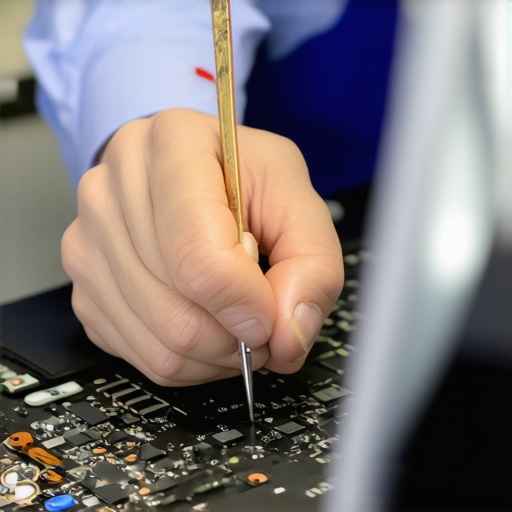
One of my biggest surprises was realizing that many seemingly simple repairs, like replacing a laptop screen, require more than just swapping parts—compatibility, precise disassembly, and careful installation are crucial. I once replaced a screen without checking model specifics, leading to flickering issues that took hours to troubleshoot, teaching me to always double-check specifications and use proper tools. Similarly, I underestimated the complexity of data recovery; rushing into DIY fixes without professional tools often worsened data loss, highlighting the importance of expert help for critical files.
How I Discovered the Power of Curated Resources in Tech Maintenance
Over time, I discovered that investing in trusted tools like the iFixit Pro Tech Toolkit accelerates repairs and minimizes mishaps—quality tools matter. Books such as “Best Data Recovery Strategies for Critical Files in 2024” have transformed my understanding, showing me that continuous learning empowers better decision-making. Additionally, following specialized blogs kept me updated on the latest repair techniques and security practices, ultimately saving me time and resources.
Embracing the Mindset That Keeps Tech Reliable and Secure
The most vital realization was understanding that technology isn’t a set-it-and-forget-it deal. Regular maintenance, proactive monitoring using tools like AIDA64, and respecting warranty guidelines, such as consulting professionals for BIOS updates or hardware replacements, are key. I learned that a small investment in quality tools and knowledge yields massive returns—fewer system failures, faster repairs, and peace of mind. Upgrading my understanding of hardware and software intricacies has given me confidence to troubleshoot effectively and act promptly before problems escalate.
What unexpected lessons have you uncovered in your journey with laptop screens, data recovery, or managed IT? Share your insights below, and let’s learn together from real-world experiences!