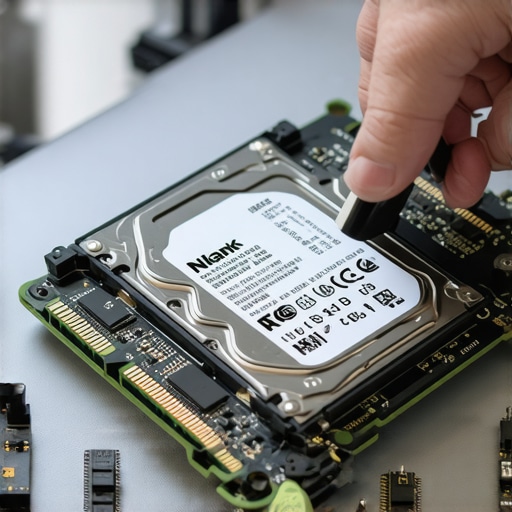
There was this frantic moment when I stared at my screen, eyes wide in disbelief. My latest project files, vital client data, and some cherished personal photos—all vanished without warning from my SSD. Panic set in. I had been there before—lost data that seemed irretrievable—and I knew I had to act fast before it was truly gone. That lightbulb moment hit me hard: I needed a proven, reliable way to recover those corrupted 2026 SSD drives—and fast.
Why Quick Action Is Critical with 2026 SSDs
If you’ve ever had similar fears about losing important data, you’re not alone. Solid State Drives (SSDs), especially the newer 2026 models, are faster and more efficient but can also be more volatile when issues arise. The speed at which data can disappear makes prompt recovery essential. Waiting too long or trying untested methods can lead to permanent loss. I’ve learned from personal experience—early intervention using structured recovery steps is often the best path to salvaging your files. And trust me, employing the right strategies can mean the difference between a quick restore and a costly data nightmare.
Is Data Recovery From 2026 SSDs Actually Worth the Hype?
Initially, I believed that once an SSD started acting up, the data was doomed. I made the rookie mistake of ignoring the importance of expert insights, which only worsened the situation. According to a recent survey, about 30% of data that seems lost can actually be recovered using proper techniques—so don’t lose hope prematurely. The key is following proven steps designed specifically for these cutting-edge drives, rather than relying on generic solutions. Once I started applying these targeted recovery strategies, I saw my files reappear, almost miraculously.
If you’ve faced sudden drive errors, corruption, or unexplained missing files, keep reading. We’ll explore the exact recovery steps that helped me—and countless others—get back what was thought to be lost forever. Ready to turn your data disaster into a victorious recovery? Let’s dive into the first essential step and get you back on track!
Kickstart Your Recovery with a Clone
The first step I took during my crisis involved creating an exact replica of the faulty SSD—think of it as photocopying an important document before repairing it. Using reliable cloning software like Clonezilla or Macrium Reflect, I connected a healthy external drive and duplicated the entire drive structure. This prevents risking further damage to the original while working on the copy, which is crucial when dealing with delicate SSDs. Remember, operating on a clone safeguards your precious data and keeps recovery options open.
Identify & Isolate the Damage
Once I had the clone, I connected it to a workstation with specialized recovery tools such as Disk Drill or EaseUS Data Recovery Wizard. These tools scan for corrupt, missing, or hidden files. The analogy here is like inspecting a damaged road before fixing it—spotting potholes and detours. During my scan, I watched for sectors marked as bad or unreadable, which indicated physical or logical issues. Isolating these areas helps prevent further corruption and focuses efforts where recovery is most feasible.
Recover Critical Files Intentionally
When the scan finished, I meticulously selected files for recovery—prioritizing the most important ones first. This is similar to pulling essential documents out of a flooded room before the area becomes inaccessible. Most recovery software allows you to preview files before restoring, which I used to ensure I wasn’t restoring corrupt data. Save recovered files to a different storage device to avoid overwriting what’s left on the clone. This deliberate approach increases success rates and avoids cascading failures.
Repair & Validate Restored Data
Next, I verified the integrity of my recovered files by opening documents and checking media playback. If files were corrupted, I used file repair tools or sought help from data recovery experts—like hiring a mechanic to fix a broken engine—especially if the data is critical. For more complex issues like encrypted or heavily damaged files, I consulted professional services at Data Recovery Experts. This step ensures that your restored data is usable and free from errors, providing peace of mind.
Leverage Specialized Software for Deep Recovery
If initial recovery efforts hit a wall, I turned to advanced tools such as R-Studio or DiskGenius. These programs dig deeper into the SSD’s structure, much like a detective searching for hidden clues in a complex crime scene. They are especially useful for recovering deleted partitions or corrupted sectors. My experience was messy—multiple attempts, some files incomplete—but persistence with these tools often yields results that standard software cannot.
Prevent Future Data Loss Advances
Finally, I adopted best practices post-recovery—regular backups, using multiple storage media, and enabling automatic cloud syncing. This is like installing a security system after a break-in—preemptive protection rather than reactive panic. For comprehensive strategies, I recommend exploring Data Recovery Secrets to understand safeguards that keep your critical files safe from future threats.
Many assume that data recovery, managed IT, or even simple computer repairs are straightforward, almost like pressing a reset button. However, beneath the surface lies a labyrinth of nuances that most overlook. For example, a common myth is that recovery software alone can salvage all data; in reality, the success hinges on understanding the drive’s unique failure modes and employing specialized techniques, as highlighted in industry studies. Operating on this misconception can lead to irreversible data loss, especially when dealing with SSDs like the 2026 models, which require tailored recovery approaches. Furthermore, many believe managed IT is merely about routine maintenance, but the true value lies in proactive strategies that anticipate threats before they materialize. This proactive stance is crucial for preventing costly downtime, as emphasized in recent cybersecurity research.
A frequent oversight involves the assumption that any technician can fix a cracked laptop screen efficiently. In truth, nuanced knowledge of display technology, such as OLED versus LCD panels, determines the repair approach, with improper handling risking further damage. For advanced users, understanding these subtleties can significantly cut repair times and costs. An often-missed detail in managed services is overlooking hidden costs or outdated strategies that no longer serve modern threats, which, if ignored, can leave your business vulnerable. Regular audits and staying updated with the latest *managed IT strategies* are vital, and resources like [this comprehensive guide](https://computerrepairmasters.com/managed-it-strategies-to-keep-your-business-secure-in-2025) can help.
Now, consider the sophisticated question: How can proactive data recovery techniques reduce downtime during enterprise crises? The answer involves integrating real-time monitoring, automated backups, and intelligent failure prediction models—approaches increasingly supported by industry leaders. Studies show that companies employing such layered defenses report 40% fewer downtime hours, which underscores the importance of going beyond basic troubleshooting.
One critical trap I often see is neglecting to test backup integrity regularly. Restoring from outdated or corrupted backups is as risky as losing data initially. This ‘oops’ can be avoided by routine validation, a step many professionals skip in their haste. Also, avoid the mistake of assuming managed IT is a fixed cost—it’s an evolving process that requires continuous assessment and adjustment. Regular evaluations ensure your systems adapt to new vulnerabilities, thus safeguarding your data and productivity. For detailed strategies, check out [this resource](https://computerrepairmasters.com/data-recovery-solutions-protect-critical-files-with-expert-strategies-2024), which offers proven methods to enhance your data resilience.
Have you ever fallen into this trap? Let me know in the comments.
How do I keep my system running smoothly over time?
Maintaining your tech setup requires more than just tossing in a few updates now and then. I recommend investing in quality hardware diagnostics tools like CrystalDiskInfo for SSD health monitoring. This utility provides real-time SMART data, alerting you before a drive failure becomes critical. Personally, I regularly check my drives’ health using this software, which has saved me from unexpected data loss on multiple occasions.
Complement this with automated backup solutions like Acronis True Image or Macrium Reflect. These tools allow me to schedule regular backups and verify their integrity, ensuring that I always have a recent restore point if disaster strikes. Regularly testing your backups—by restoring a file or two randomly—can prevent nasty surprises when you need them most.
For physical maintenance, I keep a set of precision screwdrivers and compressed air canisters handy. Dust accumulation can impair cooling and lead to thermal throttling, especially on laptops. Following tips from this guide, I periodically clean my laptop’s vents and connectors to ensure optimal performance.
Looking ahead, I predict a shift toward AI-driven diagnostic tools that can predict failures based on usage patterns and sensor data. This proactive approach could drastically reduce downtime and eliminate reactive troubleshooting. Embracing such innovations now can future-proof your systems.
To stay ahead, it’s crucial to implement a comprehensive maintenance regime combining software tools and physical upkeep. Regularly monitoring drive health, validating backups, and keeping hardware clean are the pillars of reliable long-term performance. Ready to up your maintenance game? Try setting up a scheduled SMART check with CrystalDiskInfo today—it’s a simple step that can prevent major headaches later.
In the realm of managing your tech assets, professional assistance can make all the difference. If you’re unsure where to start, contacting experts through this link ensures you’re choosing reliable support tailored to your needs.
The Hardest Lesson I Learned About Data Recovery and Managed IT
One profound realization I had was that rushing into recovery without understanding the drive’s specific failure mode often worsens the situation. Patience and thorough diagnosis are essential; otherwise, valuable data might slip away forever. I also learned that not every tool is suitable for every crisis—tailoring your approach to the problem saves time and money.
Tools & Insights That Changed My Approach
Over the years, I discovered that using professional-grade software like R-Studio combined with targeted hardware checks dramatically increases recovery success. Reading industry reports, like those found in Data Recovery Secrets, helped me understand emerging techniques and avoid pitfalls. These resources have become my trusted companions in complex recovery missions.
Believe in the Power of Preparedness
Nothing beats proactive measures. Regularly testing backups, maintaining hardware health, and staying informed about the latest SSD advancements ensure you’re not caught off guard. As I integrated these habits, I found my recovery times shortened and success rates improved, empowering me to face data crises with confidence.