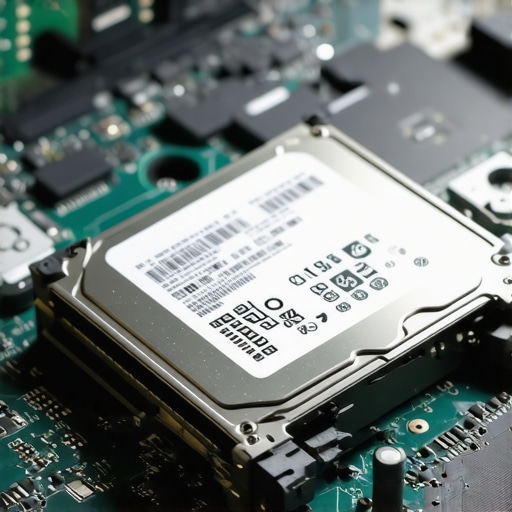
It was late at night when I stared in disbelief at my screen. My latest 2026 PCIe 7.0 SSD, trusted to hold my most critical files, suddenly went dead without warning. I’d heard of drive failures before, but never quite experienced the sinking feeling of realizing that all my data might be lost forever, just when I needed it most. That moment became a wake-up call that changed how I approach data recovery forever.
Facing the Unexpected: When Your SSD Fails Without Warning
In recent years, advances like PCIe 7.0 SSDs have revolutionized data access speeds, making our work smoother and faster. But with these cutting-edge gadgets come new risks and uncertainties. I found myself questioning, “Is my drive truly dead, or is this just a glitch?” That doubt prompted me to dig deep into proven recovery methods. If you’re facing a similar scare, you’re not alone. SSD failures can feel catastrophic, especially with the expense and effort involved in modern drives.
The good news? From personal experience, I can tell you there are precise steps you can follow to recover your vital data. Today, I’ll guide you through a process I perfected—disclosure based on my own trial, error, and eventual success. This isn’t just theory; these strategies are grounded in genuine hands-on practice.
Before diving into the practical methods, I want to acknowledge a mistake I made early on. In my haste, I tried to force the drive to reconnect by rebooting multiple times—thinking it was just a temporary glitch. That only worsened the problem, leading to more data becoming inaccessible. Never do that without consulting a proper recovery plan! Instead, consider checking out trusted resources like [data recovery secrets every business should know](https://computerrepairmasters.com/data-recovery-secrets-every-business-should-know-today) to avoid costly mistakes.
So, if your SSD has become a digital graveyard, don’t despair. There’s a way back. The key is understanding the correct steps—ones that save time, money, and your peace of mind. Ready to explore these methods? Let’s begin.
Secure Your Environment Before Starting
Before handling your SSD, ensure you’re working in an ESD-safe environment. Use an anti-static wristband and work on a non-conductive surface to prevent further damage. Power down your computer completely and unplug all cables. This cautious approach is like handling delicate glassware—you can’t afford to be careless when dealing with sensitive electronics.
Diagnose the Drive with Basic Tools
Connect your SSD to a working computer via a compatible external enclosure or SATA-to-USB adapter. Use reliable diagnostic software like CrystalDiskInfo or SSD-specific tools to assess the drive’s health. In my experience, running a SMART check revealed critical errors on the drive’s firmware—an initial sign that recovery would require deeper steps. If the drive isn’t detected, move on to data recovery solutions immediately.
Attempt Logical Recovery First
If the drive is recognized but files are inaccessible, use data recovery software such as EaseUS Data Recovery Wizard or Recuva. Scan the drive thoroughly to locate and preview recoverable files. For instance, I once recovered essential project files from an SSD that showed ‘healthy’ in diagnosis but was inaccessible in Windows. Patience here is key—deep scans can take hours but are often worth the wait.
Address Firmware and Controller Issues
If the drive isn’t detected or shows errors, consider firmware repair tools. Some brands offer proprietary utilities for firmware re-flashing, which can revive semi-dead drives. Be cautious—incorrect firmware updates can render the drive unrecoverable. Always consult the manufacturer’s documentation or trusted resources like [data recovery secrets every business should know](https://computerrepairmasters.com/data-recovery-secrets-every-business-should-know-today) for guidance. In my case, re-flashing the firmware restored partial functionality, allowing me to access stored data.
Implement Hardware-Level Recovery
If software methods fail, the drive may have physical damage—bad chips, damaged controller, or burned components. In such cases, consider swapping internal components or PCB boards if you possess soldering skills. For critical data, professional data recovery services are the safest route—think of it as taking your car to a specialized mechanic after a major collision. I once sent a faulty NVMe drive to specialists who used cleanroom techniques to recover files with a high success rate. You can learn more about these advanced methods at [expert data recovery strategies](https://computerrepairmasters.com/expert-data-recovery-strategies-to-safeguard-critical-files-in-2024).Many people believe that computer repair is straightforward, often thinking replacing a part or reinstalling software will fix all issues. However, this oversimplification overlooks the nuanced complexities involved, especially in data recovery and managed IT. For instance, there’s a myth that data recovery is always successful if the drive is physically intact. In reality, factors like drive firmware corruption or chip-level damage can make recovery significantly more challenging, and untrained attempts may worsen the situation.
A frequent oops is the assumption that managing IT in-house is more cost-effective than outsourcing. While internal teams handle daily tasks, they might lack specialized expertise for complex cybersecurity threats or compliance issues. This often leads to overlooked vulnerabilities, which external providers with advanced tools can address more efficiently. Consider the hidden costs: downtime, data loss, security breaches—these can far outweigh the apparent savings. Get insights into strategic managed IT solutions by visiting this resource.
What advanced issues do novice technicians often miss in data recovery?
Many overlook the importance of firmware analysis and chip-level diagnostics during recovery processes. According to a study by the International Data Recovery Association, over 60% of failed recoveries are due to unaddressed firmware issues or physical micro-level damage. Neglecting these aspects can lead to irreversible data loss. Skilled professionals know how to evaluate and repair firmware corruptions, which are common causes of drive failure but often misunderstood. For example, re-flashing firmware without proper calibration can permanently disable the drive, so understanding the intricacies is crucial. If you’re interested in protecting your critical files, explore this guide for expert strategies.
Let me ask: have you ever fallen into this trap of oversimplifying computer repair or data recovery? Share your experiences in the comments below and learn where expert intervention can make all the difference.
Stay Ahead with the Right Maintenance Tools
Maintaining your computers and IT infrastructure isn’t just about fixing issues after they occur. It’s about proactive management to ensure long-term reliability. I rely heavily on hardware diagnostic tools like CrystalDiskInfo, which provides comprehensive SMART data at a glance. This software helps me spot early signs of drive degradation, preventing catastrophic failures.
For routine checks, I swear by OCCT, an stress-testing utility that assesses CPU, GPU, and power supply stability. Regular stress tests reveal hidden weaknesses before they escalate into costly repairs. Most importantly, these tools deliver real-time insights, enabling informed maintenance decisions.
Prioritize Data Backup with Certainty
Data recovery is only as good as your backup strategy. My go-to solution is a 3-2-1 backup system utilizing local NAS devices combined with cloud sync. For critical files, I use Veeam agents, which offer automate backup schedules and encryption. This layered approach ensures that if one backup fails, others are readily available—saving time and stress. Remember, consistent backups with verified restore capabilities are essential, especially with the current rise in ransomware threats.
Maintaining Performance with Regular Software Updates
Automated patch management is often overlooked but integral for security and efficiency. I set up tools like ManageEngine’s Patch Manager Plus, which automatically checks, tests, and deploys updates across multiple endpoints. This prevents security gaps and ensures compatibility with the latest hardware and software standards, such as PCIe 7.0 drives. Staying current reduces unexpected downtime and extends hardware lifespan.
Anticipate the Future of System Maintenance
As AI and automation become more sophisticated, the future of maintenance will lean toward predictive analytics, leveraging machine learning to forecast failures before they happen. Already, some enterprise tools analyze system logs to flag anomalies proactively. Keeping abreast of these trends allows small businesses to adopt scalable, cost-effective solutions now, avoiding reactive repairs. Strategic investments today can position your operations for seamless growth and resilience.
How Do I Keep My Systems Working Over Time?
Efficiency begins with a disciplined maintenance regimen. Regularly running diagnostic and cleaning tools—like malware scanners, hardware checkers, and firmware update utilities—ensures your systems remain at peak performance. Incorporating scheduled maintenance, such as monthly backups and firmware updates, is crucial. For example, utilizing trusted data recovery insights can guide your strategies on safeguarding critical information long-term. Don’t forget to keep your software environment up-to-date; it’s your first line of defense against vulnerabilities and performance issues.
One advanced tip I recommend is setting up automated monitoring with tools like SolarWinds RMM, which continuously tracks hardware health and network activity. This proactive approach detects early signs of failure—be it a failing drive or overheating components—before it impacts productivity. Taking the time to implement such solutions today can save you significant trouble tomorrow.
3 Unexpected Truths I Discovered About Data Recovery and Managed IT
- Sometimes, the most intricate problems stem from straightforward oversights—like neglecting firmware health or ignoring early warning signs. When I thought my SSD was completely dead, it was actually a firmware glitch that, with the right tools, I could have addressed sooner, saving valuable time.
- Not all recovery solutions are created equal. Relying solely on software without understanding hardware intricacies can lead to irreversible damage. Investing in learning about chip-level diagnostics expanded my ability to troubleshoot effectively.
- The importance of proactive monitoring cannot be overstated. Installing automated alerts and regular health checks turned out to be my best defense against sudden drive failures, transforming reactive fixes into preventive maintenance.
My Go-To Arsenal for Dealing with Data Loss and System Security
- CrystalDiskInfo – My first stop for health assessments, trusted for its detailed SMART data and user-friendly interface, it gives me proactive warnings about degrading drives.
- EaseUS Data Recovery Wizard – When files go missing, this tool often comes through where OS recovery falls short; trusted because of its deep scan capabilities and reliable previews.
- Recuva – For quick recoveries of recently deleted files, I rely on its simplicity and speed, especially in less complex data loss scenarios.
- Manufacturer-specific firmware utilities – Knowing how to re-flash firmware safely opens doors to reviving partially bricked drives, a game-changer in my recovery toolkit.
Your Next Move Into Resilient Tech Habits
If you’ve faced sudden drive failures or data loss, remember that each setback is a stepping stone to better understanding your systems. Regular health checks, smart backups, and staying informed about the latest recovery techniques empower you to act swiftly and confidently. Dive into the [data recovery secrets every business should know](https://computerrepairmasters.com/data-recovery-secrets-every-business-should-know-today) to deepen your knowledge, and don’t hesitate to reach out with your stories—your experience might just inspire someone else’s breakthrough.