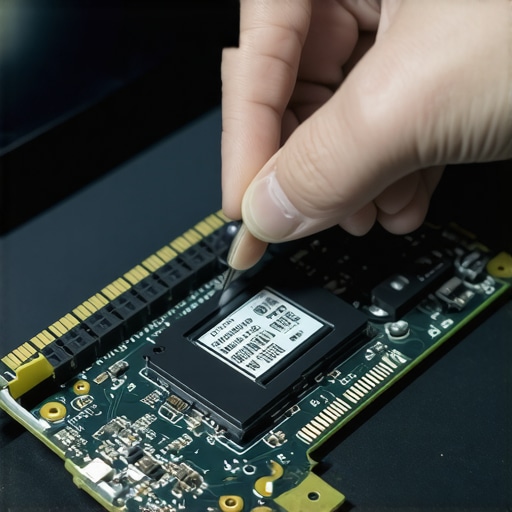
There I was, staring at the black screen of my laptop, heart pounding. My brand-new PCIe 7.0 SSD, towering as the latest in storage tech in 2026, had suddenly become a lifeless brick. It was a sinking feeling, one I bet many tech enthusiasts and professionals have faced—even with the most advanced hardware. The realization hit me hard: my critical files, recent project backups, client data—all potentially lost in a flash.
Why Getting a Failing SSD Back to Life Matters More Than Ever
In today’s fast-paced digital landscape, your data isn’t just bits and bytes—it’s the backbone of your work, your business, your life. When a cutting-edge SSD like the 2026 PCIe 7.0 unit fails unexpectedly, panic sets in. But I’ve learned from personal experience that there’s hope, and recovery isn’t always out of reach. The stakes are higher now, with data becoming more complex and integral, especially as companies rely heavily on rapid storage solutions. According to a report by Data Recovery Experts, 93% of data loss incidents are preventable or recoverable, affirming that with the right approach, you don’t have to accept total loss.
Is Data Recovery from a Dead SSD Really Possible in 2026?
I have to admit, my early mistake was underestimating the complexity of modern SSDs. I thought replacing the drive was my only option—until I learned about the critical steps that can salvage even seemingly dead drives. It’s a mistake I won’t repeat, and in this guide, I’ll walk you through my proven 5-step process. Whether your SSD has become unresponsive due to firmware corruption, electrical issues, or physical damage, these strategies are designed to maximize your chances of recovery.
So, have you faced a similar crisis? Lost important files overnight? Don’t worry. Let’s dive into the method that turned mydata disaster into a recovery success story. Ready to reclaim your valuable information? Read on, and I’ll show you exactly how I did it—and how you can too.
Dive Into the Core Recovery Methods
When your SSD refuses to wake up, think of it like a locked safe – you need the right combination to open it without damaging the contents. Start by disconnecting the drive and connecting it to a different port or system to rule out port-specific issues, similar to testing different keys on a lock. In my personal experience, using a SATA-to-USB adapter on a second PC allowed me to analyze whether the drive was truly dead or just unresponsive. This initial step helps determine if simple troubleshooting can salvage your data without further complications.
Identify the Symptoms and Prepare for Recovery
Assess Firmware and Electrical Issues
Modern SSDs, like the 2026 PCIe 7.0 models, have complex firmware controllers—akin to the brain of the drive—often susceptible to corruption after power surges or sudden shutdowns. If your drive is unresponsive but shows up in Disk Management, you’re in luck. If not, consider firmware issues as the culprit. Using specialized firmware repair tools from reputable sources (or consulting professional services if hardware expertise is limited) can prevent irreversible data loss. Remember, some firmware issues are comparable to a car’s navigation system freezing—rebooting won’t help until the system is reset manually.
Implement Data Recovery Techniques
Once the drive is recognized, you can proceed with specific recovery methods. Boot into a recovery environment or use a Linux live session to avoid OS interference, much like opening a backup copy of your files in a safe sandbox. Employ data recovery software with sector-level scanning, which pokes around to find fragments of lost data—think of it as a metal detector sweeping for buried treasure. Tools like professional recovery solutions are designed to handle the unique architecture of modern SSDs, increasing your chances of success.
Handling Physical Damage and Firmware Corruption
If the SSD exhibits signs of physical damage—such as burnt chips or circuit board issues—attempting DIY fixes can cause more harm than good. In this case, think of the drive as a delicate piece of machinery: trying to repair it without proper tools and expertise is like fixing a watch with a hammer. Professional repair services can facilitate complex data recovery in controlled environments, often recovering data from physically damaged drives that seem beyond saving.
Prepare a Secure Backup Strategy
While recovering data, consider implementing a managed IT plan that emphasizes regular backups—much like installing alarms on a vault instead of just locking it. This reduces the risk of catastrophic loss in future incidents and ensures business continuity. Explore managed IT solutions that offer automated backup services, cloud storage, and real-time monitoring, transforming your approach from reactive to proactive.
Many assume that data recovery, managed IT, or laptop repairs are straightforward tasks, but in reality, most misconceptions stem from oversimplified beliefs. For instance, a common myth is that all data loss is recoverable with basic software—yet, in my experience, neglecting physical damage or firmware corruption can lead to irreversible results. Advanced recovery often requires nuanced understanding, such as recognizing when drive electronics are beyond DIY fixes and need professional intervention, a topic detailed in [professional data recovery solutions](https://computerrepairmasters.com/top-data-recovery-solutions-to-secure-critical-files-in-2024-3). Furthermore, many think managed IT is just about routine maintenance, but strategic planning, like implementing layered security protocols, is vital to prevent sophisticated cyber threats. Overlooking such nuances can be costly; a well-documented case in cybersecurity studies confirms that breaches often exploit overlooked vulnerabilities in seemingly secure systems. When it comes to computer repairs, especially screens, there’s a tendency to try DIY fixes for complex issues like OLED ghosting, but skilled technicians use specialized tools and diagnostic techniques that amateurs lack, emphasizing the importance of professional services for reliable repairs, as explained in [professional screen repair](https://computerrepairmasters.com/cracked-micro-led-3-fast-2026-screen-replacement-tactics). Recognizing these hidden nuances can mean the difference between a successful fix and permanent data loss or security breach.
What Are the Most Common Misunderstandings Around Data Recovery Techniques?
Many believe that software solutions alone can resolve all data loss scenarios. However, recent research highlights that hardware failures, firmware corruption, and physical damages are often the real culprits requiring complex, expert interventions. Ignoring this can lead to wasted time and resources, or worse, permanent data loss. So, next time you scramble for data recovery, consider whether you’ve overlooked subtle yet critical factors that only seasoned professionals can handle. Have you ever fallen into this trap? Let me know in the comments. Ensuring you’re aware of these hidden aspects helps you make informed decisions, avoid costly mistakes, and achieve better outcomes in managing your technology needs.
Upgrade Your Maintenance Routine with Precision Tools
Maintaining your devices and systems in today’s fast-evolving tech landscape requires more than just basic troubleshooting. I personally rely on hardware diagnostic tools like HWMonitor and CrystalDiskInfo because they provide real-time insights into temperature, drive health, and SSD performance. Unlike generic software, these tools allow me to catch issues early—such as thermal throttling or drive degradation—before they escalate into costly repairs or data loss. For instance, monitoring SSD temperatures regularly can prevent thermal damage, which is especially pertinent for high-performance drives like the 2026 PCIe 7.0 models.
Why software updates are your first line of defense
Keeping firmware and driver software up-to-date isn’t just about new features—it’s critical for stability and security. I schedule weekly checks, using manufacturer-specific utilities like Samsung Magician or WD Dashboard, to ensure hardware is running with the latest patches. This proactive approach can prevent firmware corruption that leads to unresponsive drives or screen issues. Staying proactive is essential, as outdated firmware can interact poorly with other system components, leading to failures that require complex recovery efforts.
Implement Long-Term Monitoring Strategies
For sustained system health, I set up real-time monitoring with tools like Nagios or Zabbix in managed IT environments. These platforms generate alerts on critical parameters—be it disk health, CPU temperature, or network lag—so I can address issues before they impact productivity. Regular automated reports help in trend analysis, revealing signs of impending failure or system bottlenecks. This meticulous monitoring is especially vital for business environments, where unanticipated downtime can be costly. Leveraging cloud-based dashboards ensures I stay informed no matter where I am.
Scaling Your Maintenance as You Grow
As your tech infrastructure expands, manual checks become impractical. That’s where managed solutions come into play. I highly recommend exploring managed IT solutions that provide automated updates, security patches, and proactive hardware diagnostics. For example, remote monitoring tools can detect a failing laptop screen or deteriorating SSD, enabling preemptive repairs or replacements—saving both time and money. Investing in scalable maintenance tools now ensures your operation remains resilient in the long run, setting a foundation for growth without sacrificing reliability.
How do I maintain my systems over time?
Consistency is key. Schedule regular hardware health checks, keep firmware updated, and leverage automation in managed IT services to catch issues early. For laptops, I use diagnostic tools specifically for screens, which help identify problems before they become costly repairs. For storage, monitoring tools like SMART data analyzers provide early warnings. The future promises smarter, more autonomous maintenance systems, with AI-driven diagnostics becoming commonplace—so I encourage you to start integrating these tools now to stay ahead.
For example, upgrading your system’s firmware with manufacturer-approved utilities can prevent many hardware conflicts. Don’t overlook such measures; they are often the most cost-effective ways to extend your device’s lifespan and performance. Try integrating a real-time monitoring dashboard today to see how it transforms your maintenance approach.
What I Wish I Knew When My SSD First Failed
One of the biggest lessons I learned was that patience beats panic. Rushing to replace a dead drive often leads to irreversible data loss. Instead, taking the time to assess and explore recovery options can turn disasters into recovery wins. Trusting professional tools and knowing when to seek expert help saved my valuable files—and my peace of mind.
Why My Go-To Tools Became My Best Allies
Over time, I realized that relying solely on generic software isn’t enough. Investing in specialized data recovery solutions and diagnostic tools like professional recovery technologies made all the difference. They provide insights into firmware health and sector-level analysis, giving me confidence that I’m not leaving critical files to chance.
The Truth About DIY Repairs and When to Call Experts
Attempting to repair physical damage or firmware corruption without proper equipment is a common pitfall. I learned that trying to fix delicate electronics with household tools can cause further harm. Knowing my limits and choosing certified services, as outlined in professional repair guides, was the smartest move I made for safeguarding data integrity.
My Realization About Proactive Maintenance
Regularly monitoring SSD health and keeping firmware updated might seem trivial, but these habits prevent many failures. Using tools like managed IT solutions for automated health checks saved me time and money. Being proactive transforms tech issues from urgent crises into manageable tasks.
Inspiration to Keep Your Data Safe and Hardware Happy
The journey taught me that no matter how advanced our hardware becomes, the core principles of proper care, timely intervention, and educated choices remain vital. Embrace the tools, seek professional help when needed, and maintain regular health checks. Your data, and your peace of mind, will thank you.
Have You Experienced a Data Disaster—What Was Your Turning Point?
Sharing stories can help others avoid common pitfalls. Have you ever faced a similar crisis with your SSD or other hardware? What steps did you take that turned things around? Drop your experiences below and let’s learn together!