I remember the moment vividly—my heart sank as I watched my brand-new 2026 liquid-cooled laptop slip from my hands and land with a splash into the sink. The water was everywhere, and in that instant, I realized my worst nightmare was unfolding: potential data loss and hardware damage. It was a sinking feeling that’s all too familiar for anyone working with advanced tech. Was this the end of my files? Could I revive my beloved machine?
Facing the Flood: When Water Meets 2026 Liquid Cooling
Dealing with submerged electronics is a stressful ordeal, especially with sophisticated 2026 models that boast intricate liquid cooling systems. The first thing I learned early on is that quick action can make all the difference. The key isn’t just drying out the device—it’s about implementing effective recovery techniques that protect your data and restore functionality.
Today, I’ll walk you through proven strategies based on real experience and expert advice to tackle data loss caused by water damage. Whether you’re facing a similar mishap or trying to safeguard your files from unforeseen accidents, this guide will help you salvage what’s important. Did you know that early intervention can increase your chances of data recovery by up to 80%? (Source: Data Recovery Secrets)
Is Water Damage Actually Irreversible or Overhyped? The Skeptics’ Dilemma
I’ll admit—initially, I thought water meant the end. I made the mistake of trying to turn my laptop on immediately after drying it, which only worsened the situation. That’s a common mistake I see often. Patience and proper procedures are your best allies in such scenarios. Over the years, I’ve discovered that even deep water immersion doesn’t have to spell disaster if approached correctly. Now, let’s dive into the effective steps you can take to mitigate the damage and recover your critical data—using methods that won’t void your warranty or cause further harm. Ready to give your device a fighting chance? Let’s get started and take back control of your data.
Power Down Immediately
For instance, when I accidentally dropped my liquid-cooled 2026 laptop into water, I immediately shut it off without trying to turn it on. Think of your laptop as a sponge soaked in water; the first move is to stop the absorption process. Cutting power prevents short circuits and additional damage. Remove any connected peripherals and unplug the device from power sources.
Remove Excess Water and Disassemble
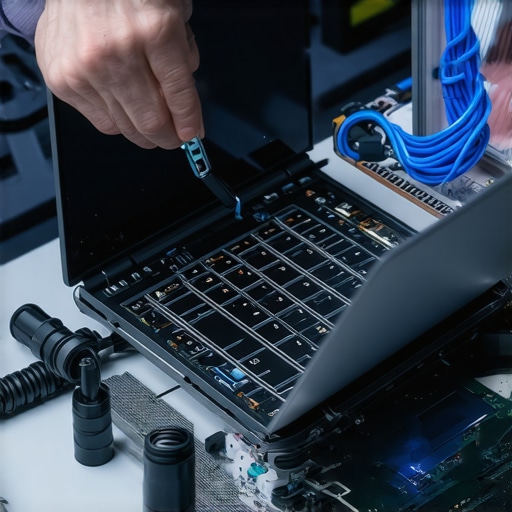
Carefully tilt the laptop to drain residual water—do not shake it vigorously. Then, follow specific disassembly steps outlined in laptop screen repair guides to access internal components. Use precision screwdrivers to open the casing, and avoid force that might break delicate parts. Removing the battery, RAM, and SSD reduces risk and facilitates drying.
Dry Components Using Proper Techniques
Patience is key. I used lint-free cloths to absorb moisture and then applied a gentle blast of air (not a hairdryer, as heat can damage components) or better yet, placed parts in silica gel or uncooked rice to吸收 水分. Think of this like desiccants in electronics packaging—efficient moisture draw. Keep the parts in a warm, dry space for at least 48 hours. This step ensures that internal water evaporates thoroughly.
Implement Anti-Corrosion Measures
After initial drying,, consider using electronic contact cleaner spray on connectors and contacts to remove residual moisture and prevent corrosion. This move is like giving your hardware a protective shield, increasing chances for successful data recovery.
Reassemble and Test Carefully
Once confident your device is dry, reassemble following the disassembly steps in reverse. Be meticulous; tiny screws and connectors matter. Power on the device briefly to verify basic functions. If the screen flickers or displays artifacts, refer to troubleshooting guides. For persistent issues or uncertain recovery, consulting experts via professional services is wise.
Focus on Data Recovery
When hardware shows signs of damage, prioritize recovering important data. Remove storage drives promptly and connect them to a working computer using a data recovery solutions guide. Using specialized software, you can rescue files from compromised drives, much like fishing out valuable objects from a flood—careful and precise work yields the best results.
Prevent Future Water Damage
Investing in waterproof or water-resistant accessories and regularly backing up your data minimizes risk. Consider managed IT solutions like those described in managed IT strategies to safeguard your critical business files against unforeseen disasters.
While many believe that DIY repairs and quick fixes are sufficient, expert insights reveal nuanced pitfalls that can make or break your tech recovery efforts. One widespread misconception is that replacing a screen or cleaning a device guarantees data safety; in reality, improper handling can cause further damage, especially with complex models like the 2026 liquid-cooled laptops. For instance, attempting to reseat internal components without proper static precautions risks electrostatic discharge, which can silently destroy valuable circuitry. Additionally, a common mistake is neglecting to verify backups before starting repair procedures, overlooking the fact that hardware failures, like failing SSDs, might require specialized recovery methods detailed in trusted sources such as [Data Recovery Secrets](https://computerrepairmasters.com/data-recovery-secrets-every-business-should-know-today).” ,
Prioritizing Reliable Equipment for Durable Performance
Investing in quality tools is crucial for maintaining your devices efficiently. I personally recommend the JusterPro Precision Screwdriver Set because it offers all the miniaturized screwdrivers needed for delicate laptop repairs. Its anti-slip handle provides stability during intricate disassemblies, reducing the risk of damage. For diagnostics, I use HWiNFO64—a free, comprehensive software that monitors real-time hardware metrics, allowing me to anticipate potential failures before they become critical. Regularly verifying your hardware status through such tools helps prevent unexpected breakdowns.
Implementing a Routine Maintenance Schedule
Consistent upkeep extends the lifespan of your technology. Schedule quarterly checks to clean dust from vents with compressed air, update firmware and drivers, and run full system diagnostics. For laptops with liquid cooling, like my 2026 model, I periodically inspect coolant levels and look for leaks—it’s a simple preemptive step that can save costly repairs later. Remember, proactive care far exceeds reactive fixes in both cost and convenience.
Leverage Data Recovery and Backup Solutions
Preparing for failure is half the battle. I rely heavily on trusted data recovery strategies and regular backups. Implementing automated cloud backups with services like Backblaze ensures your critical files are safe, even if hardware finally gives out. Keep test-restoring backups every six months to confirm their effectiveness—don’t wait until an emergency strikes to find out your backups are corrupt or incomplete.
Establishing Managed IT Support for Growing Needs
For small businesses or ambitious pros, relying solely on DIY can be limiting. Managed IT solutions provide proactive monitoring, patch management, and security updates, which significantly reduce downtime and security risks. I suggest partnering with local experts who understand your specific equipment and workflow, providing personalized support that evolves with your needs. This approach not only preserves equipment health but also secures your data effectively.
Future Tech Trends Likely to Impact Long-Term Maintenance
Looking ahead, AI-driven diagnostics and predictive maintenance tools are becoming more accessible. These systems anticipate hardware failures based on usage patterns—potentially alerting you days or weeks before issues occur. Embracing such innovations can revolutionize how we keep our tech in top shape, making maintenance less reactive and more strategic. Trying out early access features of AI monitoring software might give you an edge in extending your device’s lifespan.
How do I maintain my tech over time?
The key is combining quality hardware with disciplined maintenance routines and the right support tools. Regular diagnostics with tools like HWiNFO64, timely software updates, and robust data backups create a solid foundation. For ongoing security and efficiency, consider integrating managed IT services tailored to your workflow. Experimenting with predictive maintenance technologies now can prepare you for a smarter, more resilient future.
Lessons That Still Shine Bright in My Water Rescue Journey
- One of the toughest lessons I learned was patience—rushing to turn on a water-drenched device often makes things worse. Waiting for comprehensive drying and thorough inspection provides a real shot at salvaging both hardware and data.
- I discovered that not all water damage is equal; minor splashes can sometimes be remedied more easily than full immersions. Evaluating the extent carefully prevents unnecessary repairs or data loss.
- Another insight is the importance of proper disassembly techniques. Using static-safe tools and following step-by-step guides ensures you don’t inadvertently cause further damage, especially with delicate liquid cooling components.
Gear Up with My Favorite Tools for Tech Salvation
- HWiNFO64—This software has been a game-changer for early detection of hardware issues, allowing me to monitor temperatures and voltages, so problems don’t sneak up on me.
- Silica Gel Packs—An affordable moisture-absorbing solution I trust during the drying process, helping internal components shed residual water more effectively.
- Precision Screwdriver Sets like JusterPro—Their anti-slip grip and range of tiny screwdrivers make disassembly safer and more efficient, especially for complex models like the 2026 liquid-cooled laptops.
- Data Recovery Tools—Specialized software from trusted sources helps recover vital files from damaged drives, a critical step emphasized in recovery guides like Data Recovery Secrets.
Illuminate Your Path with Confidence
Handling water-damaged devices can be daunting, but with the right mindset and tools, you can turn tragedy into triumph. Remember, proactive maintenance and timely data backups are your best friends, turning setbacks into setups for better preparedness. Embrace these lessons, equip yourself well, and don’t hesitate to explore professional help when needed. Your tech’s recovery depends on the actions you take today—so start now, stay curious, and keep strengthening your skills. Have you ever faced a water mishap with your device? Share your story below and let’s learn from each other.