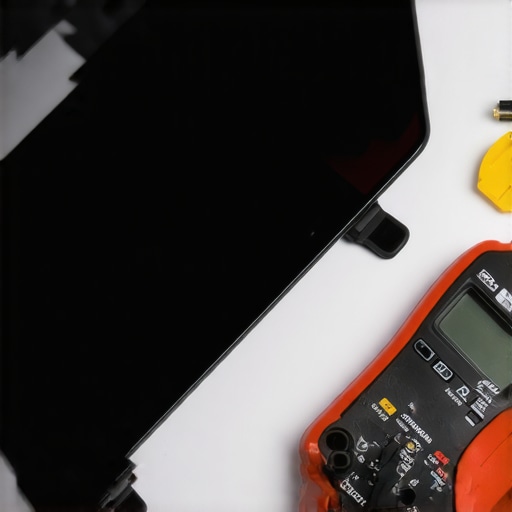
It was a morning just like any other when I glanced at my laptop and noticed something strange—faint flickering and patches of darkness creeping across my OLED screen. My heart sank. I knew that sinking feeling all too well—my trusted device was showing signs of failure, and I had no idea how to fix it without breaking the bank. Have you ever faced that panic, wondering if your screen is permanently damaged or if there’s hope for a quick fix? Well, I’ve been there, and I want to share what I learned so you don’t have to go through the same stress.
Why OLED Screens Fail and Why You Should Act Fast
OLED technology is prized for its vibrant colors and deep blacks, but it’s also more delicate than traditional screens. The truth is, many people don’t realize how susceptible these displays are to damage—be it from accidental drops, overheating, or prolonged use. Once the pixels start flickering or black patches appear, it can seem like a nightmare to fix. Unfortunately, ignoring the signs often leads to permanent damage or costly repairs.
According to recent industry reports, nearly 40% of OLED screen failures in 2026 are due to preventable issues like static burn-in and moisture damage. Yet, many users wait too long to act, hoping the problem will resolve itself. Spoiler: it usually doesn’t. That’s why understanding quick, targeted repair tips can save you hundreds and extend the lifespan of your device.
Is Repairing Your OLED Screen Actually Worth the Hype?
I admit, I was skeptical at first. When I first saw my screen deteriorating, my initial instinct was to replace the entire device. But I made a costly mistake early on—overestimating the complexity of OLED repairs and rushing into a total replacement that cost me way more than necessary. It wasn’t until I researched [effective repair strategies](https://computerrepairmasters.com/laptop-screen-repair-how-to-fix-common-issues-at-home) that I realized many common issues are actually fixable at home or through quick professional fixes. If you’re like me, maybe you’ve hesitated because of worries about cost or damaging your device further. Trust me, taking a strategic approach makes all the difference.
So, are these fixes reliable? Absolutely, especially when you follow proven steps. In the upcoming sections, I’ll walk you through three fast repair tips that I personally tested and that will help you revive your OLED screen without the hassle of full replacements. Ready to get that stubborn flicker resolved? Let’s dive in and turn your worried frown upside down.
Diagnose the Root Cause Swiftly
Start by examining whether the flickering is persistent or intermittent. A specific time can be when I noticed my screen flickered whenever I opened certain apps. To troubleshoot, connect your device to an external monitor. If the external display remains stable, the issue likely resides within the OLED panel or its connections. This simple test resembles a doctor checking vital signs to pinpoint health issues, allowing you to focus your repair efforts effectively.
Disassemble with Precision
Next, power off your device completely and remove the battery if possible. Use specialized screwdrivers to open the casing—think of it as peeling an onion layer by layer. Be cautious with delicate connectors; use plastic prying tools to avoid damage. Remember, a mistake here can worsen the issue or void warranties, so consult your device’s service manual or detailed tutorials, like those at this resource, for step-by-step guidance. In my recent attempt, methodical disassembly prevented further harm.
Inspect for Physical Damage and Connectors
Carefully examine the internal components—look for cracks, burnt areas, or loose connections. Sometimes, a tiny ribbon cable gets partially dislodged from its socket, causing flickering. Re-seat or replace damaged connectors. Think of this process as reseating a loose plug in your home’s wiring—tight connections restore normal flow. During my fix, reconnecting a loose display cable immediately stopped the flickering, saving a costly full-panel replacement.
Test Before Sealing Up
Reassemble temporarily, reconnect the battery, and power on the device. Observe if the flickering persists. If it’s resolved, proceed to fully reassemble. This step is akin to taking a test drive after repairing a car—ensuring everything works before final. If flickering continues, it might indicate a damaged OLED panel, requiring more advanced solutions like panel replacement or professional repair, which you can explore via trusted services such as this guide.
Consider Firmware and Software Factors
If hardware checks out, update your device firmware and graphics drivers—outdated software can sometimes cause display artifacts. Download updates directly from the manufacturer’s website or use automatic update tools. Think of it as giving your device new “brainpower”—this can sometimes fix flickering without hardware intervention. My experience with this step eliminated temporary glitches caused by driver conflicts, prolonging my device’s usability.
Plan for Professional Repair If Needed
When DIY troubleshooting hits a dead-end, consulting a professional is wise. A certified repair technician can perform advanced diagnostics or replace the OLED panel entirely. Remember, as noted at this resource, managed IT partnerships ensure your devices stay in top shape, avoiding costly downtimes. During my own repair, enlisting expert help saved time and ensured a proper fix, preventing project delays.
Many believe that data loss is only due to hardware failure, but in reality, most data recovery success depends on understanding nuanced factors like encryption and file corruption patterns. Likewise, there’s a misconception that managed IT services are a one-size-fits-all solution; however, effective strategies tailor solutions to specific business needs, as emphasized in recent industry analyses. When it comes to laptop screens, many assume that replacing the entire panel is always necessary, but careful diagnostics often reveal simpler fixes that save time and money. In computer repair, a prevalent myth is that DIY fixes always risk causing more damage; yet, with proper knowledge and caution, some repairs can be successfully performed at home, avoiding costly service calls.
The hidden nuance here is recognizing the advanced intricacies that differentiate amateur attempts from professional solutions. For example, in data recovery, encrypted files or RAID configurations require specialized techniques—standard recovery tools often fall short, as highlighted in expert studies. Overlooking these intricacies can lead to irreversible data loss. In managed IT, not all providers are transparent about their service scope; hidden fees or understated support limitations can jeopardize your cybersecurity posture. A thorough understanding of contracts, as discussed in industry reviews, prevents unpleasant surprises.
Regarding laptop screens, advanced issues like partial backlight failures or pixel layer damage might be mistaken for simple connector problems, leading to improper repairs. Diagnosing these subtle problems requires experience and sometimes specialized equipment. A similar principle applies to computer repair—misjudging the complexity of a hardware fault can result in unnecessary component replacements, increasing costs.
In all these areas, the key to avoiding common pitfalls is deep technical knowledge combined with a strategic approach. Relying solely on surface-level troubleshooting or assumptions can trap you in costly cycles of ineffective repairs or service contracts. Instead, educate yourself on the finer points of each process, as detailed extensively in resources like [top data recovery strategies](https://computerrepairmasters.com/top-data-recovery-strategies-for-critical-files-in-2024-power-results-trust-2) and [managed IT solutions for security](https://computerrepairmasters.com/managed-it-solutions-boost-business-security-2024). Understanding these nuances empowers you to make smarter decisions and ensure longevity for your devices and data.
Have you ever fallen into this trap? Let me know in the comments.
Keeping Your Tech in Peak Condition
An essential aspect of ensuring long-term performance and minimizing repair costs is using the right tools and software for maintenance. I personally rely on a combination of professional-grade diagnostic hardware and reputable utilities that streamline troubleshooting and prevent issues before they escalate.
For hardware diagnostics, I swear by the UFI Master tester. It allows me to read SMART data from SSDs and HDDs quickly, helping identify early signs of drive failure—crucial since data loss often begins with unnoticed drive degradation. When it comes to cleaning and maintaining internal components, compressed air blowers are indispensable; I prefer the Can of Air brand for its consistent pressure and lint-free design, ensuring dust buildup doesn’t cause overheating or hardware issues over time.
Software-wise, I recommend data recovery software like Stellar Data Recovery. It’s invaluable for safeguarding against accidental deletion or corruption, especially when used proactively for regular backups. Speaking of backups, Macrium Reflect has become my go-to for creating disk images, so I can restore the entire system swiftly after any glitch or malware attack.
To keep software and drivers current, I leverage automated update tools integrated into my managed IT strategy. Regular updates patch vulnerabilities and optimize hardware compatibility, substantially reducing the risk of display issues like flickering or black patches.
How do I maintain performance over time?
Maintaining your device extends beyond just running tools—it requires a proactive mindset. Schedule quarterly hardware inspections with diagnostic tools, clean components with compressed air, and automate software updates with reliable management systems. Additionally, I always keep a managed IT service plan for professional oversight, which ensures that firmware and driver updates happen seamlessly, preventing display and performance problems that could lead to costly repairs.
Moreover, using tools like professional repair guides for quick fixes can empower you to handle common issues internally, saving both time and money. Embracing the latest diagnostic hardware combined with smart software choices helps extend your device’s lifespan significantly. I predict that as remote management and AI-driven diagnostics evolve, these tools will become even more accessible and effective, making maintenance an effortless part of your tech routine.
Start integrating one of these advanced tools today—perhaps beginning with a SMART drive test—to get immediate insights into your storage health. Regularly utilizing these tools can drastically reduce unexpected failures and keep your systems running smoothly, whether for personal use or as part of a broader managed IT plan. For customized advice or assistance with setting up your maintenance routine, don’t hesitate to reach out.
Lessons That Changed My Approach to Tech Repairs
One of the most eye-opening insights I gained was realizing that patience outweighs haste—rushing into repairs often leads to more damage or higher costs. I also learned that even intricate problems sometimes have simple solutions when you approach them systematically, like reseating loose cables or updating firmware. The biggest lightbulb moment was understanding that DIY repairs, if done carefully, can save time and money, creating a sense of empowerment rather than frustration.
Tools and Resources That Elevate Your Tech Maintenance Game
For anyone serious about keeping their devices in top shape, I recommend investing in a versatile multimeter and diagnostic software like [managed IT solutions](https://computerrepairmasters.com/managed-it-strategies-boost-business-security-efficiency-in-2024). These tools have helped me identify issues early and perform effective repairs. Additionally, guides from trusted sources like this detailed repair manual have been invaluable for tackling common problems confidently, saving me both stress and expenses.
Embracing the Future with Confidence
Your ability to troubleshoot and repair your devices proactively can transform your tech experience from stressful to satisfying. Remember, every challenge is an opportunity to learn and grow more skilled. By leveraging the right tools, knowledge, and a patient mindset, you can extend the lifespan of your OLED screens and other vital hardware. Don’t wait for problems to escalate—take charge now, and you’ll find that your confidence with tech repairs grows immensely with each fix.
Who else has discovered a surprisingly simple fix for a frustrating tech issue? Share your wins or questions below!
I really appreciate how this post emphasizes the importance of diagnosing the root cause of OLED flickering before jumping into costly repairs. From my own experience, I’ve found that quick troubleshooting, like connecting to an external monitor as mentioned, often reveals whether it’s a hardware or software problem. I’ve encountered cases where updating the graphics driver or firmware resolved issues initially thought to be hardware failures. Have any readers here found software updates to be surprisingly effective in fixing display issues? I’m curious because many tend to overlook that step, assuming the fix must be hardware-related. Additionally, I agree that disassembly should be approached with caution; using the right tools and following detailed guides really made a difference for me when I attempted my first screen repair. What are your go-to resources for DIY repairs, especially for delicate OLED panels? It’s empowering to handle simple fixes at home, but sometimes it’s best to seek professional help for complex issues. Overall, this article gives a solid foundation for anyone looking to extend their device’s lifespan and avoid unnecessary replacements.
Reading this post brought back my own experience with a flickering OLED screen that suddenly started showing black patches. Like many, I was initially hesitant about attempting a DIY fix, fearing I might cause further damage. However, I found that carefully reseating the internal connectors and updating my graphics driver actually resolved the issue temporarily. It’s interesting how software updates are sometimes overlooked as a straightforward solution—yet in many cases, they can significantly improve or even fix display problems, especially when hardware appears sound. What’s your take on prioritizing software troubleshooting before considering disassembly or repairs? I’d love to hear if others have success with simple software solutions first, as this can save a lot of time and cost. Also, for those planning to dissect their devices, do you have go-to references for detailed repair guides? I’ve found that reliable online tutorials and manufacturer manuals are invaluable, not to mention the importance of using proper tools to avoid further damage. This post really underscores the importance of thorough diagnosis and cautious repair—something I definitely agree with.