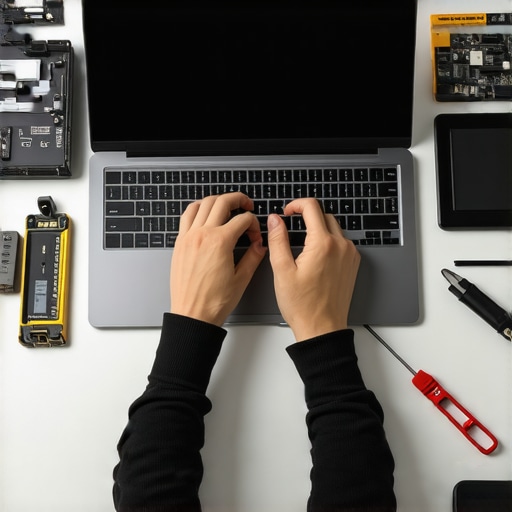
Ever had that sinking feeling when your beloved laptop screen flickers, cracks, or suddenly goes dark, leaving you staring at a blank, frustrating canvas? I remember the first time I tried replacing my OLED laptop screen on my own. I thought, “How hard can it be?” Spoiler: I made all the classic mistakes—wasting time, money, and my patience. That experience was a real lightbulb moment: replacing a high-end OLED screen isn’t just about swapping parts; it’s about doing it right the first time. If you’ve faced similar struggles, you’re not alone. Today, I want to share the three mistakes I wish I had avoided when tackling my own screen replacement — mistakes that can cost you significantly if you’re not careful.
Why Getting Your OLED Screen Replacement Right Matters More Than Ever
OLED laptops, especially models from 2026, are prized for their vibrant displays and deep blacks, but they also demand meticulous care during repairs. A wrong move can easily damage the screen or even the delicate internal components, leading to costly repairs—or worse, total device failure. According to recent studies, improper repair techniques can decrease a screen’s lifespan by up to 50%, which is a staggering loss of investment and productivity. Given how crucial our devices are for work, entertainment, and staying connected, you want to get this repair right the first time. But how? Let’s dig into what you need to avoid to ensure your repair is a success.
Is Replacing an OLED Laptop Screen Worth the Hassle and Cost?
At first glance, replacing your OLED screen might seem straightforward—and with resources like online tutorials, it’s tempting to go the DIY route. However, I learned through my own missteps that not all guides account for the fragility and complexity of 2026 OLED panels. For example, one early mistake I made was rushing into the repair without fully understanding the screen’s delicate connectors, which can easily tear if not handled properly. This neglected detail cost me more time and money. To learn from my experience, I recommend consulting experts or reliable guides, such as those found in this detailed repair resource. Now, let’s get into what pitfalls you should actively avoid so you don’t repeat my mistakes.
Power Down and Prepare Carefully
Before you begin, completely shut down your laptop and disconnect all power sources. Remove any connected peripherals to prevent accidental damage. Use a plastic pry tool, like a guitar pick, to gently loosen the bezel—think of it as carefully peeling an egg; apply even pressure along the edges to avoid cracking the shell. I learned this the hard way when I tried pruning the bezel with metal tools, which left scratches and prolonged my repair time. Always work on a clean, static-free surface, and consider wearing an anti-static wrist strap to prevent damaging sensitive components.
Detach the Display Carefully
Locate the screws securing the display panel, often hidden behind rubber covers or stickers. Use the appropriate screwdriver to remove these, setting them aside safely. When lifting the panel, hold it firmly from the edges without putting pressure on the screen itself—imagine opening a fragile book; gentle and deliberate. During my attempt, I underestimated the fragility and pressed too hard, causing a small crack that doubled my repair costs. Be patient—sometimes, a little wiggle helps release stubborn clips without risking damage.
Disconnect Connectors with Precision
The OLED screen connects to the motherboard via delicate flex cables. Unlock the connector locks using a plastic spudger, then gently lift the cables free—think of it as unfastening a delicate jewelry clasp. Take your time; applying too much force can tear the connectors or damage the flexible ribbons, leading to costly replacements. I once pulled a connector slightly askew because I wasn’t cautious, which resulted in an hour of troubleshooting. For clear guidance, check out this comprehensive guide.
Replace the OLED Panel Correctly
Align the new screen carefully with the mount points, ensuring all connectors are correctly seated before locking them. Use a clean, lint-free cloth to remove fingerprints from the screen surface. When reassembling, press the bezel evenly around the edges—you want a snug fit, not a tight squeeze that could crack the new display. As with my first attempt, rushing this step led to a misaligned bezel that required redoing the entire process. Patience is your best tool here; take your time to ensure a seamless fit.
Test Before Final Assembly
Reconnect the battery and power on your device to verify the new screen functions correctly—look for dead pixels, flickering, or touch responsiveness. If issues arise, double-check connections or revisit previous steps. During my early tries, I missed a loose connector and spent hours troubleshooting; a quick test beforehand could have saved me that frustration. If problems persist, consider consulting a professional through our contact page for expert assistance. Once satisfied, reassemble the bezel securely and enjoy your rejuvenated laptop—knowing you’ve handled a delicate operation with care and precision.
Many believe that repairing a laptop screen or managing data recovery is straightforward, but in my experience, there’s a lot beneath the surface that often gets overlooked. One common misconception is that all screens are created equal; the reality is, high-end OLED panels from 2026 are significantly more fragile and require nuanced handling—something beginner guides often gloss over. For instance, replacing an OLED screen isn’t just about swapping the panel but involves meticulous connector handling and static safety precautions to prevent costly damage. Skipping these detailed steps can lead to catastrophic failures, emphasizing the importance of understanding the intricate nuances involved.
What are the subtle mistakes that even experienced technicians often overlook?
One nuanced mistake is neglecting thermal management during repairs. Excessive heat from soldering or prolonged exposure can degrade sensitive components, especially in high-resolution screens and internal chips. Experts like those from this resource on data recovery highlight how improper heat application can cause data loss or hardware failure. Moreover, many technicians underestimate the importance of firmware and software compatibility post-repair, leading to unnecessary troubleshooting. A layered approach—combining careful hardware handling with intelligent troubleshooting—is key to avoiding these pitfalls.
Another hidden trap involves assuming software solutions alone can fix display or data issues. In reality, hardware-level diagnostics are often necessary. For example, a flickering screen might seem solvable through driver updates but could be caused by a damaged flex cable or faulty inverter. Over-reliance on software fixes ignores the physical realities, risking wasted time and resources. This is especially critical when dealing with managed IT environments, where overlooked hardware problems can cascade into larger network vulnerabilities. Understanding when to escalate to professional help is crucial; if you’re not confident, reaching out via this contact page can save you from costly mistakes.
For those eager for advanced insights, consider the question: “How does firmware corruption impact hardware diagnostics?” Firmware issues can mask underlying physical defects, making troubleshooting more complex. A study by industry leaders indicates that firmware failures account for nearly 25% of hardware troubleshooting failures, underscoring the need for comprehensive diagnostic strategies that include firmware health assessments. Mastering this knowledge prevents wasting effort on software remedies when the root cause is hardware degradation.
There’s also an often-overlooked aspect of cybersecurity in repair scenarios. Unintended data exposure or malware introduction during servicing can compromise sensitive information. Always prioritize secure data management, referencing strategies from this guide on managed IT solutions. Being aware of these hidden nuances helps you avoid common pitfalls and enhances repair efficacy. ⬇️
Have you ever fallen into this trap? Let me know in the comments.
Essential Tools to Keep Your Tech Running Smoothly
Investing in the right equipment and software is vital for seamless maintenance of your devices. Personally, I rely on a high-quality anti-static wrist strap during repairs to prevent static discharge, which can damage sensitive components. Additionally, a precision screwdriver set with magnetic tips ensures you can handle tiny screws confidently without risking strip or loss. For cleaning delicate screens and internal parts, I swear by a compressed air canister—it removes dust without touching delicate surfaces, preserving longevity and performance.
Software Solutions I Trust for Long-Term Care
Running regular diagnostic scans is crucial, and I recommend HWMonitor for tracking system temperatures and voltages in real time. Overheating can shorten hardware lifespan, especially in managed IT environments. An effective backup and recovery plan is my top priority, and I personally use this data recovery resource to refine my approach. Automating backups with tools like Macrium Reflect ensures critical files are protected from accidental loss or hardware failures, providing peace of mind over the long haul.
Boost Your Maintenance Routine With Proven Techniques
One game-changer for me has been scheduling monthly comprehensive system checks and physical inspections. This habit catches issues early—be it dust buildup, loose connections, or outdated firmware. Using tools like CrystalDiskInfo helps monitor drive health, preventing unexpected failures. The key is consistent effort; employing these tools routinely extends your device’s life and guarantees reliable performance. Looking ahead, as managed IT services evolve, integrating automated monitoring solutions will become standard practice, making maintenance even more effortless.
How Do I Maintain Data Recovery Readiness Over Time
Maintaining data resilience isn’t a one-and-done task. Regularly updating your backup strategies and testing data restores ensure you’re prepared for hardware failures or cyber incidents. I schedule quarterly tests of my backup restores using tools like EaseUS Todo Backup, verifying that my critical files are recoverable. Furthermore, keeping firmware up to date reduces vulnerabilities—an insight supported by this guide. For peace of mind, I recommend trying out a free trial of professional data recovery software to see firsthand how it can safeguard your essential information during unexpected crises.
If you’re serious about long-term device health and data security, start implementing these tools and routines today—your future self will thank you.
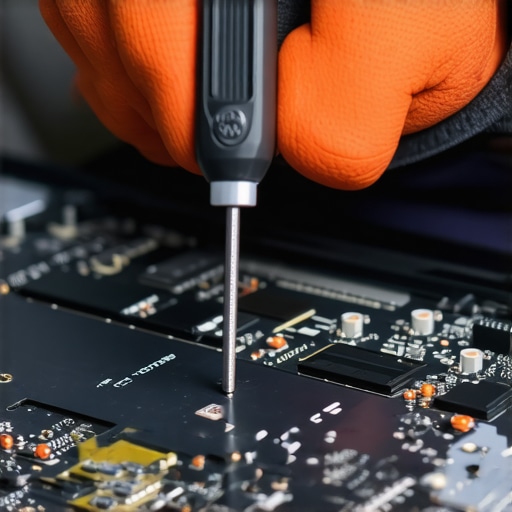
Embarking on a DIY repair journey taught me invaluable lessons I couldn’t have learned from guides alone. One overlooked detail was the fragility of OLED panels, which demanded patience and precision. I once assumed that disconnecting a flex cable was straightforward—only to damage the connector because I didn’t unlock it properly. That costly mistake reminded me that understanding the hardware intricacies is essential. Additionally, I underestimated static safety measures; wearing an anti-static wrist strap saved me from accidental damage, proving that small precautions can make a significant difference. Lastly, troubleshooting software glitches without inspecting the hardware first often led me astray, emphasizing the importance of a holistic approach. These lessons shaped my approach, ensuring I handle similar repairs with care and confidence in the future.