
I still vividly recall the sinking feeling in my stomach when I watched my laptop screen go black, data flickering and then vanishing before my eyes. It was a moment of panic—a stark reminder of how fragile our digital lifelines are. That day, I realized that no matter how prepared we think we are, a sudden crash or loss can happen to anyone. Have you ever faced a similar nightmare with your important files? If you have, then you know exactly what I mean.
Why Protecting Your Data Should Be Your Top Priority Right Now
In our increasingly digital world, data has become the backbone of our personal and professional lives. From critical project files to treasured photos, the loss of these can be catastrophic. Surprisingly, studies show that 30% of small businesses encounter data loss annually, often due to malware, hardware failure, or accidental deletion. And the sad truth is, most are unprepared when the worst happens. Early on, I made the mistake of relying solely on basic backups—think external drives and simple cloud storage—only to learn that these methods aren’t foolproof against ransomware or hardware failures. For example, a ransomware attack can encrypt your files faster than you can say “backup,” leaving you with no choice but to pay or lose everything. That’s when I understood the importance of having a layered data recovery plan in place. Today, I want to share proven strategies and tools that can help you safeguard your critical files effectively in 2024, so you’re not caught off guard like I was. Whether you’re a business owner or an individual, the right approach can mean the difference between data recovery success and heartbreaking loss.
Is It Really Worth The Hype to Invest in Advanced Data Recovery?
I admit, I was skeptical early on about the need for sophisticated data protection measures. I thought, “It’s just my personal documents; how bad can it be?” But overlooking proper safeguards cost me dearly. The truth is, a simple backup isn’t enough anymore. Cyber threats evolve rapidly, and hardware failures are more common than you think. Investing in comprehensive data recovery solutions has saved me more than once, especially when coupled with managed IT strategies that can prevent disasters before they happen. If you’re still unsure whether these investments are worth it, consider this: the cost of lost data—including lost productivity and repair fees—far exceeds the price of reliable solutions. For insight into effective strategies, check out [top data recovery strategies for critical files in 2024](https://computerrepairmasters.com/top-data-recovery-strategies-to-safeguard-critical-files-in-2024). Now, let’s explore how you can build a robust plan to protect your vital information.
Establish Multiple Backup Layers
The first line of defense is creating multiple backups. I learned this the hard way when a failed hard drive nearly cost me all my project files. To replicate this, I set up automatic cloud backups for my essential documents and periodically clone my entire system onto an external drive. Think of it as having both a safety net and a spare tire; if one fails, the other catches you. Use reliable cloud services and rotate external drives regularly to ensure up-to-date copies.
Automate Your Backup Process
Manual backups are prone to forgetting and delays. Implement automated backup solutions like Windows Backup or third-party tools that run silently in the background. During my personal setup, I scheduled nightly backups, ensuring even the smallest changes were saved without my intervention. This way, you reduce human error and ensure your data is consistently protected.
Utilize Version Control Systems
Version control isn’t just for developers. For creative projects or document-heavy work, it allows you to revert to earlier file versions. I used versioning to recover an earlier draft of a vital report after last-minute edits went awry. Many cloud services now offer built-in version history, so enable this feature to recover from accidental changes or corruptions.
Invest in Reliable Data Recovery Software
If data loss occurs, having the right software can make the difference. I recommend tools like Recuva or Stellar Data Recovery, which can scan and recover deleted files from various storage devices. In a recent mishap, I used such software to rescue files from a corrupted SD card. Remember, running recovery software immediately after loss increases success odds—avoid writing new data to the affected disk until recovery is complete.
Seek Professional Assistance for Physical Damage
Physical issues like a broken laptop screen or hardware failure require expert attention. I once attempted a DIY fix on my laptop screen, but only worsened the problem. For issues like a shattered screen or failed hard drive, consult certified repair technicians. They use specialized tools and techniques, similar to how a doctor employs precise instruments—quickly restoring functionality without risking further damage. For trusted local experts, visit our contact page.
Beware Ransomware and Malware Threats
Protection extends beyond backups. Keep your system resilient by installing security patches and anti-malware software. I once fell victim to ransomware due to outdated software, resulting in encrypted files. After that, I adopted a layered defense with real-time malware scanners and network monitoring, akin to a security guard patrolling your digital premises. This proactive stance vastly reduces the risk of malicious attacks.
Implementing a Disaster Recovery Plan
The most effective safeguard is a documented plan. My approach involved defining clear procedures for data loss scenarios, assigning responsibilities, and regularly testing recovery processes. Think of it as rehearsing a fire drill—familiarity ensures swift action when disaster strikes. Regular testing uncovered unforeseen issues, allowing me to refine the process for real emergencies.
Leverage Managed IT Solutions
As your data needs grow, managed IT services provide comprehensive protection. They monitor, update, and safeguard your infrastructure around the clock, much like having a dedicated security team. For growing businesses, this means less worry about breaches or system failures. Discover how managed IT solutions can streamline your data protection efforts.
Stay Informed and Prepared
Finally, education is key. Regularly updating yourself on new threats and recovery tools ensures your strategies remain effective. I subscribe to industry updates and participate in webinars that cover the latest in data security. This continuous learning helps adapt your plan to evolving risks, maintaining your digital resilience.
While most people focus on the obvious—like replacing a cracked laptop screen or backing up files—they often overlook the nuanced pitfalls that can undermine even well-intentioned efforts. One common misconception is the belief that a simple backup or quick repair service suffices. In reality, the complexity of modern threats and hardware processes demands a deeper understanding.
For instance, many assume that all data recovery tools are created equal. However, relying solely on generic recovery software can exacerbate problems, especially if the drive has physical damage or firmware corruption. In such cases, specialized professional solutions are essential, and attempting DIY fixes might worsen the damage, making recovery impossible. That’s why consulting expert services can save both time and data; learn more about [reliable data recovery solutions](https://computerrepairmasters.com/reliable-data-recovery-solutions-to-protect-critical-files-in-2024) to understand the significance of nuance.
Are Open-Source Tools Enough for Complex Data Recovery?
Many believe that open-source or free tools can handle all recovery scenarios. While they might work for accidental deletion or quick fixes, they often fall short in cases involving cryptographic ransomware, firmware issues, or physical hardware damage. For such advanced problems, professional-grade solutions and hardware interventions are critical. Recognizing when to escalate the situation can prevent permanent data loss and costly repairs.
A hidden trap lies in trusting cheap or generic repair services that promise quick fixes. They might temporarily hide the issue or replace superficial components without addressing underlying problems, leading to recurring failures. Always verify the credentials and experience of your technician. For complex hardware issues, it’s advisable to visit trusted experts, like those listed on our contact page.
The Overlooked Power of Proactive Management
Commonly, organizations focus solely on reactive solutions—fixing problems after they occur. However, the true game-changer is proactive management, which involves continuous system monitoring, regular firmware updates, and threat intelligence. This approach helps identify vulnerabilities before they become crises. Experts suggest that integrating managed IT services, such as those discussed [here](https://computerrepairmasters.com/effective-managed-it-solutions-for-growing-companies), significantly reduces downtime and data breaches.
Many underestimate the importance of layered security, assuming a firewall or antivirus alone suffices. Yet, malware programs continually evolve, making sophisticated defenses a must. Employing multiple security layers, including behavior analysis and real-time alerts, can catch threats early—preventing costly data recovery efforts and hardware replacements. Remember, being prepared with a tailored managed IT strategy can save you from the expensive surprises of unforeseen failures or cyberattacks.
In our digital age, understanding the depth behind these repair and security nuances is crucial. Many get caught in the trap of superficial fixes or outdated notions, which can lead to permanent losses. Therefore, investing in professional, layered solutions and continuous management isn’t just wise—it’s essential. Have you ever fallen into this trap? Let me know in the comments.
Invest in the Right Hardware Monitoring Tools
One of my top recommendations for maintaining optimal system performance is using hardware monitoring software like HWiNFO or SpeedFan. I personally rely on HWiNFO because it provides real-time insights into CPU, GPU, and drive temperatures, voltages, and fan speeds. Regularly checking these parameters can help prevent overheating and hardware failures, which are common causes of unexpected system crashes. Tools like these empower you to spot early signs of hardware stress and address issues proactively, extending your equipment’s lifespan.
Embrace Automated Maintenance Scripts
Automatic scripts can be game-changers in routine maintenance. For example, I use PowerShell scripts scheduled via Windows Task Scheduler to clear temporary files, defragment drives, and run antivirus scans weekly without manual intervention. These scripts ensure that your system stays clean and optimized, reducing the risk of slowdowns or vulnerabilities. Well-structured automation saves time and minimizes human error, especially valuable for small businesses managing multiple devices.
Backup with Cloud-Integrated Solutions
Reliable backup strategies are vital. I recommend using tools like Veeam or Acronis True Image combined with cloud storage. These solutions allow for incremental backups and quick restores, critical during data recovery scenarios. Cloud integration facilitates off-site backups, protecting you against physical damage or theft. Regularly testing your backups with restoring files ensures their reliability, giving you peace of mind that your data can be retrieved swiftly when necessary.
Utilize Remote Access for Troubleshooting
Remote management tools like TeamViewer or AnyDesk have saved me countless hours. They enable troubleshooting from anywhere, whether you’re on-site or remote. This flexibility is especially useful for diagnosing and fixing issues quickly, preventing prolonged downtime. Pairing remote access with proactive monitoring allows you to keep systems running smoothly with minimal disruption.
Stay Updated with Firmware and Software Patches
Keeping your system current is crucial. I set reminders to regularly check for firmware updates for BIOS and drivers, which often contain critical security patches and stability improvements. Manufacturers like Dell or Lenovo provide specialized tools that automate these updates. Consistent patch management reduces the attack surface for malware and prevents bugs that could compromise hardware functionality.
How do I maintain these tools and strategies over time?
The key is establishing a routine audit schedule—monthly checks for hardware health, quarterly reviews of backup integrity, and staying informed about industry updates. Subscribing to newsletters like our updates can help you stay ahead of emerging threats and tools. Remember, technology evolves rapidly, so continuous education paired with disciplined maintenance will keep your systems reliable in the long run. For more advanced strategies, exploring managed IT solutions can provide comprehensive oversight.
Try implementing automated scripts for routine maintenance this week—it’s a straightforward step that can significantly improve your system’s stability and longevity. A well-maintained setup isn’t just about fixing issues; it’s about preventing them before they happen.
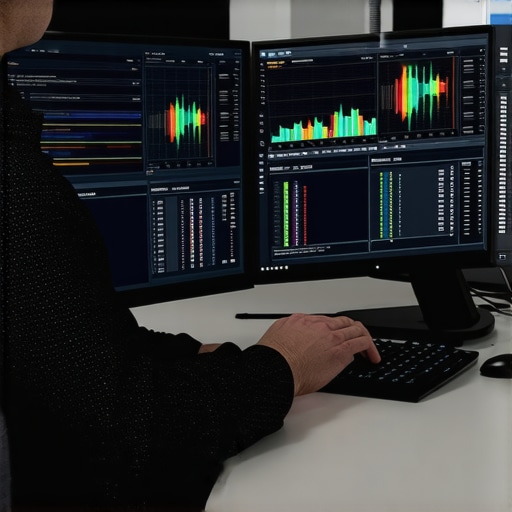
What I Wish I Had Known When Starting Out with Data Protection
One of the most profound lessons I learned early in my journey was that quick fixes rarely solve long-term problems. Relying solely on basic backups or ignoring hardware health checks almost cost me everything during a sudden failure. It taught me that layered security and proactive management aren’t just buzzwords—they’re essential shields in today’s digital landscape. If I could go back, I’d implement comprehensive strategies from the start, especially investing in professional-grade data recovery solutions and continuous monitoring. The real insight? Success in safeguarding digital assets depends on foresight and discipline, not just reactive measures.
Tools That Transformed My Approach to Data and Hardware Care
After experimenting with various tools, a few have become indispensable in my routine. For hardware monitoring, HWiNFO stands out for its detailed insights—catching potential failures before they escalate. For secure backups, Acronis True Image provides seamless cloud integration, ensuring off-site safety. When data recovery is needed, I trust software like Stellar Data Recovery for its thoroughness. These tools have prevented countless crises, demonstrating that investing in the right technology is more than worthwhile—it’s lifesaving.
Your Journey to Secure and Reliable Digital Spaces Starts Today
Remember, safeguarding your digital world isn’t a one-time effort; it’s a continuous commitment. By embracing layered defenses, leveraging trusted tools, and engaging with professional services when necessary, you set a foundation that withstands evolving threats and hardware wear. You don’t have to face data loss or hardware failures blindly—your proactive actions today can save you immeasurable frustration tomorrow. So, take that first step confidently—upgrade your protection plan, stay informed, and remember that resilience is built through consistent effort. Are you ready to make your digital safety a priority and avoid tragic surprises? Let me know your next move below.
Reading this article really resonated with me, especially the part about the emotional impact of losing critical data. I experienced a similar scare a few months ago when my external drive suddenly failed, and I thought I’d lost a decade’s worth of photos and documents. Thankfully, I had started using automated cloud backup solutions, which saved the day. It made me realize how crucial layered backup strategies are and how many overlook physical damage risks. The point about regularly updating and testing our disaster recovery plans is so vital yet often neglected. I wonder, for those managing small businesses, how do you prioritize investments in managed IT services versus in-house solutions? In my opinion, a proactive approach with professional support can prevent many disasters before they occur, but budget constraints are real. Would love to hear how others balance these decisions.