
If you’ve ever stared at a cracked or flickering laptop screen on a hectic morning, you know that sinking feeling—that mix of frustration and helplessness. One moment, you’re happily working or streaming your favorite show; the next, you’re met with a streaked display or a blank, unresponsive screen. I remember my first major screen mishap—panic set in. I thought, “Is this the end of my laptop?” Luckily, after some trial, error, and hands-on learning, I found a straightforward way to get things back in shape. Today, I want to share that knowledge with you, especially if you’re tired of feeling helpless every time your screen falters.
Why a Faulty Laptop Screen Can Disrupt Your Day (And What You Can Do About It)
Is Replacing a Laptop Screen Worth the Hassle or Just a Money Sink?
I used to think that fixing my laptop’s display was a complicated, costly nightmare—until I realized the truth. With the right tools and guidance, you can handle most common issues at home, saving time and money. Plus, knowing how to do quick repairs can prevent data loss or the need for more drastic measures. So, if you’ve ever wondered whether replacing your screen is feasible without professional help, you’re not alone. Many overlook simple fixes because they’re intimidated or misled by outdated advice. But recent guides, like the Affordable Laptop Screen Replacement Guide for Quick Fixes in 2024, prove that DIY is more accessible than ever.
Did you know that a cracked screen diminishes your productivity by over 30%? And delays in fixing it can exacerbate issues, leading to more expensive repairs down the line. That’s why tackling the problem swiftly is crucial.
Before diving into the step-by-step process, let’s address some common fears. Do you worry about causing further damage during a repair? Or perhaps, you’re unsure whether your laptop is even repairable without professional tools. Rest assured, many fixes are manageable with basic patience and an understanding of what’s involved. I’ll walk you through the essential steps and share insider tips to make your repair smooth and stress-free.
Now, let’s gear up to transform that frustrating mishap into a quick, reliable fix—because your laptop deserves a second chance, and so do you.
Power Down and Prepare Your Workspace
Before starting, turn off your laptop and disconnect all cables. Place it on a clean, flat surface with good lighting. Think of this as preparing your toolkit before a DIY project—organization is key. I once rushed into a repair without clearing the area, which led to losing a tiny screw—so take your time and set up carefully.
Gather Essential Tools and Replacement Parts
You’ll need a precision screwdriver set, plastic prying tools, and possibly a replacement screen ordered from a reliable supplier. Use this guide to select a compatible screen. Remember, a damaged or incompatible screen will only prolong your frustration. Having everything ready saves multiple trips to the toolbox.
Disassemble the Laptop Carefully
Start by removing screws from the bezel, typically with a Phillips-head screwdriver. Use a plastic prying tool to gently detach the bezel without cracking it—imagine opening a delicate jewelry box. I once used a metal tool, which scratched the plastic; a soft plastic tool avoided damage. Keep track of screws in labeled containers to reassemble smoothly.
Disconnect and Remove the Faulty Screen
Next, locate the screws holding the screen and disconnect the video cable. Handle the cable with care, like unplugging a fragile wire—pull gently, avoiding yanks that can damage the connector. In my own experience, forcing the connector led to a short-term fix that caused flickering later, teaching me the value of patience during disconnection.
Connect and Secure the New Screen
Align the new screen precisely, reconnect the video cable securely, then screw it into place. Think of this as fitting a new piece into a puzzle—everything must align perfectly for optimal display. Once reassembled, power on the device to test; if it doesn’t display correctly, double-check the cable connections. This process resembles home repair tips—careful, deliberate, and exact.
Seal Everything and Final Checks
Replace the bezel and screws, ensuring all clips snap into place. Power up the laptop again to confirm the display works flawlessly. If issues persist, revisit connections or consider consulting a professional. Remember, sometimes minor misalignments cause major display problems. Keeping your workspace tidy and tools organized reduces errors and speeds the process.
This hands-on approach demystifies laptop repairs, making them accessible and less intimidating. Precision, patience, and proper planning turn what seems daunting into a manageable task. For more insights on troubleshooting screen problems, visit these troubleshooting tips.
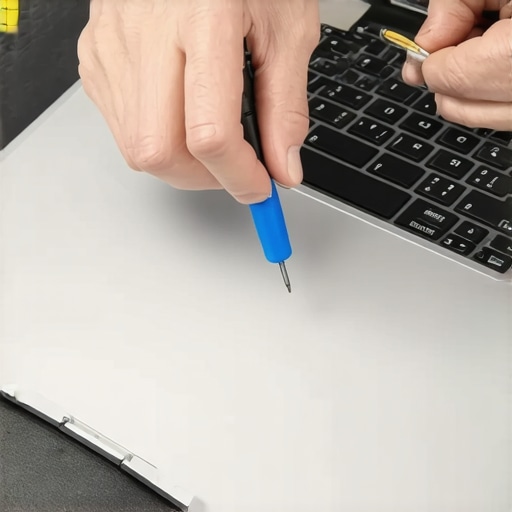 While many believe that data recovery and computer repair are straightforward tasks solved with simple tools, the reality involves subtle nuances that can significantly impact success. One common myth is that recovery software can always retrieve deleted files effortlessly; however, experts warn that once data is overwritten or the storage device sustains physical damage, software solutions become ineffective, emphasizing the importance of proactive backups as outlined in this comprehensive guide. Additionally, there’s a misconception that laptop screens are easily repairable by untrained users, but in fact, many repair attempts without proper knowledge lead to further damage, especially with delicate LCD or OLED panels, which require specialized techniques—see this article for deeper insights. When it comes to managed IT services, the trap lies in assuming that outsourcing IT management absolves your company from security threats; in reality, vigilant oversight and understanding emerging vulnerabilities, such as those related to AI-driven cyberattacks, are crucial, as discussed in this resource. For advanced professionals, recognizing that not all hardware failures are visible is vital—sometimes, issues stem from firmware corruption or subtle electrical faults that demand specialized diagnostics rather than generic troubleshooting. For example, data recovery techniques that ignore these nuances might only recover partial data or damage the drive further, leading to costly data loss. Recognize this syndrome: assuming that a quick fix is always the best course can be a costly mistake; patience, detailed diagnostics, and thorough understanding underpin successful repairs or recoveries. Do you often fall into misleading stereotypes about tech repair? Let me know in the comments. Remember, deep understanding of the intricacies in these areas ensures you’re not just fixing symptoms but solving root causes effectively.
Equip Yourself for Long-Term Success
Maintaining your computer equipment over time requires the right combination of reliable tools and effective software. Personally, I swear by my digital multimeter, which allows me to diagnose electrical issues on motherboards quickly. For example, when I encountered intermittent power failures, using a high-quality multimeter helped me pinpoint faulty capacitors before more extensive repairs. Choosing a dependable set of screwdrivers with magnetic tips ensures you won’t lose tiny screws during disassembly, especially when working on laptops or delicate hardware. I recommend investing in precision screwdriver kits from trusted brands like Wiha or iFixit for durability and precision.
On the software side, I rely on reputable data recovery solutions like these top-rated recovery tools. They stand out because of their ability to recover files from various storage types, including SSDs and external drives, with minimal risk of further data corruption. Regular backups are essential, and automated backup solutions like Acronis True Image or Macrium Reflect save me hours of potential grief—especially when managing multiple client systems.
Streamlining Maintenance for Longevity
Creating a maintenance routine is vital. I schedule weekly disk cleanup and defragmentation for traditional HDDs, using built-in tools like Windows Storage Sense, while SSDs benefit from TRIM commands, which I run manually with tools like Samsung Magician. Maintaining updated drivers and firmware prevents slowdowns and incompatibilities, which can be a hidden source of hardware failure over time. For managed IT environments, comprehensive solutions like those discussed here help automate updates and monitor hardware health, reducing manual effort.
Planning for Scalability and Growth
If your system is part of a growing business, consider investing in modular tools and scalable solutions. Cloud backup platforms like Backblaze or Carbonite offer flexible data protection that can expand as your data needs grow. Furthermore, regularly reviewing and auditing your hardware’s performance helps anticipate failures before they disrupt your workflow. As technology evolves—particularly with advances in AI-driven diagnostics—staying ahead with modern tools ensures your systems remain resilient and efficient.
How do I keep my computer systems in top shape over time?
Consistent maintenance protocols, combined with quality tools like precision screwdrivers, multimeters, and reliable recovery software, form the backbone of a strong maintenance routine. Regularly updating your knowledge through trusted resources will help you adapt to new challenges and integrate innovative solutions for long-term success.
To deepen your understanding, explore detailed guides on data recovery strategies or check out advanced managed IT solutions to secure your business infrastructure. Don’t hesitate—try implementing a scheduled cleanup using industry-grade tools today, and experience the difference in system stability and performance.
What I Wish I Knew Before Tinkering with Critical Files
- My biggest aha moment was realizing that not all data recovery tools are created equal; some can do more harm than good if used improperly. It’s essential to understand your specific situation before rushing into software solutions.
- I’ve learned that patience surpasses haste. Rushing repairs or recovery attempts often leads to additional damage, making professional help or thorough research paramount.
- Surprisingly, small details matter—like properly grounding yourself or using anti-static tools—to prevent static discharge that can fry sensitive components.
- The most valuable lesson was understanding the importance of proactive backups. Relying solely on recovery after a failure is like locking the barn door after the horse has bolted; regular backups save hours of stress and money.
- Every failed repair or recovery session taught me to trust reputable resources and community forums. Sometimes, the collective wisdom of experienced technicians can save the day more than any paid tool.
Tools and Resources That Changed My Approach
- IWANSONE Precision Screwdriver Set—Trustworthy tools make disassembly safer and more efficient, preventing accidental damages during crucial steps.
- Reputable Data Recovery Software like Stellar Data Recovery—I’ve found that choosing well-reviewed software drastically improves success rates without risking further data loss.
- The Guide on Computer Repair Masters—The comprehensive articles and step-by-step walkthroughs provide clarity and confidence, especially for those new to DIY repairs.
- Reliable Backup Solutions like Acronis True Image—Automating backups ensures you’re prepared before mishaps occur, turning a potential disaster into a manageable event.
Ignite Your Repair Confidence Today
Taking control of your data recovery and laptop repair journey isn’t just about saving money—it’s about empowering yourself to face tech challenges with confidence. Every successful fix or recovery boosts your skills and reduces dependence on others, turning you into a resource for friends and colleagues alike. So, why wait? Dive into the resources, tools, and tips we’ve discussed, and start building your repair toolkit today. Your digital independence begins now!
Have you ever attempted a data recovery or repair that didn’t quite go as planned? Share your story below—I’d love to hear your experiences and lessons learned!