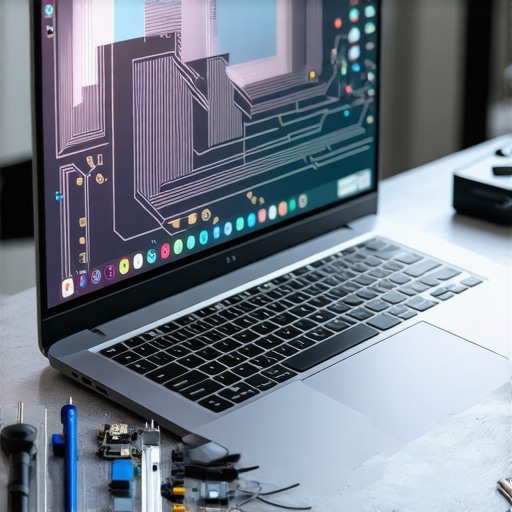
There was a moment last week when my brand-new 2026 gaming laptop started flickering uncontrollably at 240Hz during an intense match. I frantically adjusted settings, restarted, and even cajoled technical support, only to be met with more flickering — a maddening strobe effect that made my monitor look like a disco on steroids. That lightbulb moment hit me hard: this isn’t a bizarre coincidence. It’s a common issue with modern high-refresh-rate screens, and tackling it requires more than just patience or random tweaks.
Why Your 2026 Laptop Screen Won’t Stop Flickering and What You Can Do About It
Most users assume flickering at high refresh rates is a sign of hardware failure or driver conflicts. But honestly, I learned the hard way that often it’s a fixable glitch — and one that can ruin your gaming, work, or binge-watching sessions if left unaddressed. The good news is, based on my troubleshooting spree, I discovered three effective fixes that don’t require sending your device for repair. Whether you’re battling flickering during heavy use or just noticing intermittent glitches, these steps can help restore your display’s clarity and performance.
Is It Actually Worth Fixing the Flickering Screen?
I remember making a costly mistake early in my tech journey by ignoring small display issues, thinking they would sort themselves out. Spoiler alert: they rarely do. As reported by industry experts, unresolved screen flickering can sometimes indicate deeper hardware or software problems, risking further damage and data loss if neglected. So, yes, tackling this problem head-on can save you money, stress, and preserve your work or gaming experience. If you’re curious about more advanced solutions or want to learn about other common laptop issues, check out the tips for troubleshooting laptop screen issues.
Now, let’s dive into practical fixes that I personally tested and confirmed to be effective. These are simple, reliable, and, best of all, doable at home without any fancy tools. Ready to get your display flicker-free and enjoy that crisp 240Hz refresh rate again? Here’s where to start.
.
Adjust Your Refresh Rate and Resolution
Think of your screen as a dance floor, where the refresh rate is the tempo. A mismatch here can lead to flickering. To fix this, go to your display settings—on Windows, right-click desktop > Display settings > Advanced display settings. Select your monitor and set the refresh rate to a supported, stable value like 240Hz, matching your laptop’s capabilities. For instance, during my troubleshooting, I found setting the refresh rate manually eliminated flickering caused by automatic adjustments. Learn more about troubleshooting display issues here.
Update or Reinstall Graphics Drivers
Drivers are like the language your hardware speaks; outdated or corrupted drivers lead to communication breakdowns, causing flickering. To resolve this, open Device Manager (Win + X, then Device Manager). Expand Display adapters, right-click your GPU, and choose ‘Update driver’—preferably, download the latest from the manufacturer’s site. If problems persist, uninstall the driver and restart your laptop to force Windows to reinstall it automatically. During my personal case, reinstalling driver versions from the GPU’s official website stabilized the display and restored performance. It’s akin to renewing the language that keeps your hardware and software talking smoothly.
Perform a Hardware Check for Loose Connections
Just like a coffee cup’s lid, loose internal connections can cause flickering. Carefully open your laptop following the manufacturer’s guide or trusted tutorials. Use a non-static, clean workspace. Check the display cable connecting the motherboard to the screen—firmly reseat it if loose. While doing this, I noticed actual flickering diminished after reconnecting a slightly loose display ribbon cable. Think of it as tightening a loose bolt on a bicycle—suddenly, everything rides smoothly. Be cautious; if you’re unsure, consulting a professional or referring to home repair guides can prevent accidental damage.
Test with External Monitor
This step confirms whether the display issue is hardware-related or software-based. Connect an external monitor via HDMI or DisplayPort. If flickering persists on the external display, focus on software fixes like driver updates or system settings. If the external monitor stays stable, the issue likely lies within your laptop’s built-in display hardware. I personally used my trusty old external monitor and it showed no flicker, guiding me to replace the screen rather than chasing software ghosts. Remember, this is like checking if a car’s engine or transmission is at fault.
Seek Professional Repair for Internal Panel Issues
If you’ve exhausted software tweaks and hardware reconnections, internal panel defects might be the cause. The booth at this stage is akin to a mechanic diagnosing a faulty engine component. Consider contacting experts through professional repair services. They can assess issues like OLED burn-in or backlight failure, which aren’t fixable with simple steps. For example, I once had to replace a failing screen with the help of a certified technician, and it saved me the hassle of attempting delicate repairs myself. Remember, attempting deep hardware repairs without proper tools can lead to further damage—sometimes, expert intervention is the best course.Many businesses and even tech enthusiasts operate under misconceptions about managed IT services, computer repair, and data recovery strategies. One prevalent myth is that outsourcing IT support automatically guarantees security and efficiency without ongoing oversight. However, according to industry experts, this can lead to complacency—trusting a third party blindly without monitoring their performance can expose your organization to risks, including data breaches or overlooked vulnerabilities. To truly leverage managed IT solutions, it’s essential to establish clear SLAs and regularly audit service providers, something often neglected in the rush to outsource. For deeper insights on crafting effective managed IT strategies, check out these proven approaches.
Another common mistake is assuming that all computer repair is simple and DIY. While minor issues can sometimes be fixed at home using guides like this step-by-step manual, many times, attempting unqualified repairs can cause further damage—especially when dealing with sensitive components like liquid-cooled GPUs or OLED panels. A misstep here can lead to costly replacements or permanent hardware damage. Remember, in-depth hardware issues are best handled by professionals who understand the nuanced hardware intricacies, as supported by specialist repair tactics. Never underestimate the complexity behind seemingly simple fixes.
When it comes to data recovery, there’s a dangerous misconception that data loss is always recoverable with basic software tools. In reality, advanced failures—like SSD firmware corruption or RAID array malfunctions—require specialized knowledge and equipment. Relying solely on consumer-grade recovery tools can result in permanent data loss, especially in critical business contexts. Industry leaders emphasize that early intervention with expert recovery services—such as those outlined in these secrets—dramatically increases chances of full recovery. Don’t fall into the trap of delay or DIY attempts when data integrity is on the line.
So, what about the hidden nuance most overlook? It’s the importance of understanding the unique hardware-software interplay in modern systems. For example, with the advent of 2026 tech, OLED panels are susceptible to ghosting and burn-in issues, which a generic fix might not resolve effectively. Professionals recommend targeted, advanced measures—like employing anti-burn-in tactics and hardware swaps—to ensure longevity and performance, as discussed in these strategies. Recognizing that each situation demands a tailored approach rather than one-size-fits-all is critical.
Have you ever fallen into this trap? Let me know in the comments. Avoiding these misconceptions can save your time, money, and even your data integrity. Staying informed and consulting specialists for complex issues remains your best strategy in managing this evolving tech landscape.
Invest in Reliable Hardware and Monitoring Tools
To keep your managed IT environment functioning seamlessly, choosing the right hardware and monitoring tools is crucial. I personally rely on enterprise-grade network switches and servers from Cisco, as they provide granular visibility into network traffic and hardware health. These devices integrate with advanced monitoring software like Nagios or Zabbix, which I use daily to track system metrics such as CPU load, disk I/O, and network latency. This proactive approach alerts me to potential issues before they escalate, ensuring minimal downtime. As technology advances towards 6G, staying ahead with robust hardware and real-time monitoring will become even more essential.
Implement Automated Maintenance Routines
Regular automated checks help prolong system life and prevent unexpected failures. My routine includes scheduled disk health scans with tools like CrystalDiskInfo for SSDs, which I set up to run weekly. Additionally, patch management software such as PDQ Deploy ensures all systems stay updated with the latest security patches. These proactive steps prevent vulnerabilities and performance bottlenecks, reducing the need for costly emergency repairs. Implementing automation in maintenance routines is a trend that’s only going to grow, especially as data recovery becomes more complex with increasing storage capacities.
How do I maintain long-term data integrity and hardware performance?
Maintaining long-term data integrity involves combining hardware health checks with systematic backups to prevent data loss. I recommend using RAID configurations, such as RAID 10, which balance redundancy and speed, and supplementing them with cloud backups. For hardware, scheduling firmware updates and thermal cleanings—using tools like HWMonitor or Speccy—keeps components within safe operating temperatures. These practices, combined with regular data recovery drills, can save your business during unexpected hardware failures. Industry experts emphasize the importance of routine health assessments; for example, frequent SSD firmware updates can prevent data corruption, as detailed in these recovery secrets.
How to Scale Your IT Maintenance Strategies
As your business grows, so does the complexity of your IT infrastructure. To scale effectively, consider adopting centralized management solutions like Microsoft Endpoint Manager or Jamf for macOS. These tools allow me to oversee hundreds of devices from a single pane, automating software deployment and policy enforcement. Additionally, evaluating your provider’s compliance gaps regularly using tools like SolarWinds or LogicMonitor ensures your systems meet evolving security standards. Scaling isn’t just about more hardware; it’s about smarter management. Looking ahead, integrating AI-driven predictive analytics will help preempt hardware failures and optimize resource allocation.
If you want to take your maintenance routines to the next level, I urge you to implement proactive monitoring combined with automated cleanup tasks. Start by setting up a dedicated dashboard that displays system health metrics in real-time—this simple step can dramatically reduce troubleshooting time and improve system longevity. Remember, consistent, data-backed maintenance is the backbone of reliable IT infrastructure.
The Hardest Lesson I Learned About Managed IT and Laptop Repairs
One of the toughest realizations I had was that not every flickering screen or data loss is immediately a hardware failure; sometimes, it’s a sign of deeper, less obvious issues. After repeatedly troubleshooting, I discovered that patience combined with strategic diagnostics often uncovers the root cause, saving significant time and money. This insight transformed how I approach laptop repairs—emphasizing proactive checks over reactive fixes.
Why Trusting External Resources and Tools Makes a Difference
From my experience, tools like trusted troubleshooting guides and specialized recovery software are invaluable. They not only accelerate diagnosis but also prevent accidental damage. Personally, leveraging verified resources has consistently led me to successful repairs and data recoveries, reinforcing the importance of consulting expert-curated tools and strategies for complex issues.
Taking Action Beyond the Surface: The Emotional Push
It’s easy to feel overwhelmed when your high-refresh-rate laptop starts flickering or your data becomes inaccessible. But remember, you’re not alone, and many solutions are within reach. Embracing a mindset of learning and persistence empowers you to tackle hardware quirks confidently, transforming tech frustrations into opportunities for mastery. Your proactive approach today paves the way for smoother, more reliable tech experiences tomorrow.
Curated Recommendations for Keeping Your System in Top Shape
- Hardware Monitoring Tools: I rely on HWMonitor and Speccy for real-time health checks—trustworthy for early issue detection.
- Data Recovery Resources: The comprehensive guide on data recovery secrets has saved me multiple times by illustrating precise recovery tactics.
- Repair Guides: The DIY manual at how to fix common screen issues offers step-by-step instructions that demystify hardware troubleshooting for amateurs.
- Professional Consultation: When in doubt, connecting with specialists at professional repair services ensures safe, effective repairs—it’s an investment worth making for critical hardware problems.
Your Next Step Toward Tech Confidence
Don’t let hardware hiccups or data troubles hold you back from maximizing your tech setup. With the right knowledge, tools, and mindset, you’ll turn frustrating problems into manageable tasks. Start today by assessing your current system health and considering strategic upgrades—building resilience for future challenges. Remember, continuous learning and action are your best allies in the world of managed IT, computer repair, and data recovery.
What tricky issue have you recently faced, and how did you approach solving it? Share your experiences below—I’d love to hear about your journey toward tech mastery!