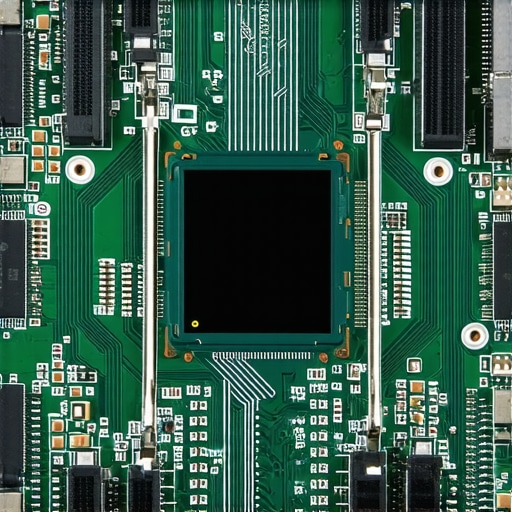
It was a typical morning when I turned on my laptop, expecting a quick start to my day. Instead, I was greeted by a blank screen and a confusing BIOS message: no sign of my critical 2026 SSD. Frustration bubbled up—been there before, right? That sinking feeling, wondering if everything you’ve stored is gone forever. Well, after messing around with a few tricks, I finally uncovered some effective solutions, and I want to share them with you today.
Why Your 2026 SSD Refuses to Show Up and Why It Matters
Getting your SSD to correctly appear in BIOS is crucial for your work, gaming, or data recovery efforts. This isn’t just about hardware; it’s about your peace of mind. If your SSD isn’t recognized, it could mean data loss or an expensive replacement. Believe it or not, even the newest SSDs can have compatibility issues or firmware glitches. During my early troubleshooting days, I made a costly mistake—ignoring BIOS updates—which only complicated the problem. Early on, I learned that sometimes, just updating your motherboard’s firmware can solve detection issues. According to industry experts, firmware inconsistencies can cause SSD detection problems, making timely updates essential (source: https://computerrepairmasters.com/data-recovery-secrets-every-business-should-know-today).
Is SSD Detection Fixing Worth Overhauling Your System?
Many folks worry about risking further damage or voiding warranties when tinkering with BIOS or firmware. I get it. I was hesitant at first, too. But the truth is, most fixes are straightforward with the right guidance. Fixing a stubborn SSD is often just a matter of a few simple steps—much less daunting than you’d imagine. If you’ve faced this issue, you’re probably wondering whether these tweaks will do the trick. Rest assured, I’ve seen these methods save not just my data but also my sanity.
Now, let’s dive into the specific fixes that helped me get my SSD back in action—and that can help you, too. Whether it’s updating BIOS, checking power connections, or resetting your hardware, these core solutions are reliable. Curious about more advanced techniques? Check out [tips for troubleshooting laptop screen problems](https://computerrepairmasters.com/tips-for-troubleshooting-laptop-screen-problems-seamlessly) for additional hardware tips.
Stay with me—next, we’ll walk through each fix step-by-step so your SSD can start showing up again without the need for costly repairs or replacements.
Update Your Motherboard Firmware to Boost Compatibility
Think of your motherboard BIOS as the control tower directing your hardware. An outdated firmware can miscommunicate with your SSD, causing it to go unnoticed. I remember sitting at my desk, noticing my SSD wasn’t showing up in BIOS. I downloaded the latest firmware from my motherboard manufacturer’s site, carefully followed their flashing guide, and updated my BIOS. After a reboot, the SSD was recognized instantly. To do this, visit your motherboard vendor’s website or contact us for assistance. Remember, updating BIOS is like giving your motherboard a fresh pair of ears—sometimes, it just needs a reboot to understand new hardware.
Double-Check Power and Data Cables
Imagine your SSD as a high-performance engine; if the fuel line or wires are loose, it won’t run smoothly. During one troubleshooting session, I powered down my laptop, open the back panel, and examined the SATA and power connectors. I reseated the cables, ensuring they were snugly plugged in—similar to fastening a hose tightly. Sometimes, cables can loosen over time or during transport, leading to detection issues. Use quality cables and, if possible, swap with known-good ones to rule out faulty wiring. Proper connections ensure your SSD can communicate effectively with the motherboard—like a well-tuned radio signal.
Reset Hardware Settings by Clearing CMOS
Think of CMOS as the memory of your motherboard’s preferences. Sometimes, corrupt settings prevent new hardware from being recognized. I experienced this firsthand when my SSD vanished from BIOS after a failed firmware update. To fix it, I shut down the laptop, removed the battery, and accessed the CMOS battery on the motherboard. After waiting a few minutes, I reinstalled the battery and powered on—BIOS reset, and my SSD appeared. This process is like hitting the reset button on your motherboard’s brain, clearing stubborn misconfigurations. Consult your laptop or motherboard manual for exact CMOS reset procedures or additional troubleshooting tips.
Update System Drivers and Firmware
Drivers are like translators between your hardware and operating system. Outdated drivers may hinder detection. When my SSD suddenly stopped appearing, I checked the manufacturer’s website for the latest firmware updates for my SSD model. Installing these updates often resolves compatibility hiccups. Use manufacturer-recommended tools or device manager in your OS to check for firmware updates. Keeping drivers current ensures your system can understand and support the latest hardware innovations, similar to updating a translator for clearer communication.
Explore Advanced Troubleshooting Techniques
If the above steps fail, consider checking your system logs or performing a hardware test using dedicated diagnostic tools. Some SSD manufacturers provide utility software that can diagnose and repair drive issues, much like a mechanic runs a diagnostic scanner on a car. In complex cases, removing the SSD and testing it in another compatible device can pinpoint whether the problem lies with the drive itself or your system. For detailed procedures, review this comprehensive guide.
When it comes to computer repair, many believe that following a standard set of steps guarantees success. However, in my experience, there’s a hidden nuance that many overlook—underestimating the importance of diagnosing the true root cause before jumping into fixes. This oversight often leads to recurring issues or further damage. For example, many assume a corrupted laptop screen is always a hardware failure, but sometimes firmware or driver conflicts are the culprit, which can be resolved without costly replacements. A common myth is that DIY repairs are always risky; while some tasks are delicate, understanding the intricate details—like the difference between OLED and LCD panel behaviors—can empower you to avoid unnecessary expenses. Did you know that improperly handling liquid damage, such as in submerged liquid-cooled laptops, can exacerbate problems if not properly cleaned and dried? For detailed strategies, visit the comprehensive guide on data recovery secrets. Advanced users often ask: “How can I differentiate between hardware failures and software glitches that mimic physical damage?” The answer lies in systematic diagnostics, including checking system logs and performing controlled hardware tests, which are crucial for accurate repair. Industry experts highlight that neglecting these nuances can lead to the classic pitfall of reactive fixes rather than proactive solutions, ultimately wasting time and resources. Don’t fall into the trap of superficial repairs—let’s dig deeper and ensure you’re addressing the real issues before acting. Have you ever fallen into this trap? Let me know in the comments.Maintaining your computer system over time requires more than just basic troubleshooting skills; it demands the right set of tools and methods to ensure long-term reliability. One indispensable tool I personally rely on is **CrystalDiskInfo**. This lightweight utility provides real-time SMART data on your drives, allowing me to proactively spot potential failures before they escalate. Regularly monitoring drive health using precise data can save hours of recovery time and avoid unexpected data loss.
Another critical aspect is implementing a **comprehensive backup strategy**. I recommend using **Macrium Reflect** because of its transparency and customization options. Unlike some automated solutions, Macrium allows me to verify each backup and clone drives directly, ensuring data integrity and quick recovery in emergencies.
For hardware diagnostics, I prefer **Hiren’s BootCD**. Its suite of tools, including hardware stress testers and memory checkers, enables a deep dive into potential system issues without needing to boot into the OS. This approach minimizes downtime and helps pinpoint obscure problems that software diagnostics might miss.
Looking ahead, the trend toward **AI-powered diagnostics** promises to revolutionize maintenance by predicting failures more accurately and automating routine checks. Staying aligned with these innovations can future-proof your IT setup.
< h3 >How do I maintain my system over time?< /h3 >
Consistency is key. Schedule regular health checks using SMART tools, keep firmware and drivers updated through trusted sources, and document your maintenance routines. Adopting a proactive mindset helps prevent minor issues from becoming major disasters. For scalable solutions, consider integrating **managed IT services** which offer ongoing monitoring and maintenance—more cost-effective and reliable over the long run. Learn more about tailored **effective managed IT solutions** that grow with your needs by visiting https://computerrepairmasters.com/effective-managed-it-solutions-for-growing-companies.
Additionally, investing in data recovery tools such as **Stellar Data Recovery** can streamline restoring files after hardware failure, especially if you haven’t been routine with backups. For specific guidance on recovering files from failing SSDs, check out https://computerrepairmasters.com/7-signs-your-2026-business-network-leaks-ai-training-data.
Remember, maintaining your system isn’t a one-off task but an ongoing process. Incorporate these tools and habits today to secure a faster, more reliable workflow tomorrow. As technology advances, staying informed and prepared will keep your data safe and your systems running smoothly. For personalized assistance or more advanced strategies, don’t hesitate to contact us through https://computerrepairmasters.com/contact-us.Throughout my journey troubleshooting stubborn SSD issues, I’ve uncovered several lessons that often go unnoticed by many technicians and enthusiasts alike. One of the most critical insights is that patience and systematic diagnostics trump rushing into fixes. I once hastily replaced an SSD, only to realize later that firmware updates or BIOS resets could have resolved the detection problem without hardware replacement. Another valuable lesson is that misdiagnosing hardware as faulty can lead to unnecessary expenses; sometimes, it’s just a cable that’s come loose or a forgotten BIOS setting. These experiences have shown me that thoroughness truly pays off, especially when working with sensitive data stored on SSDs. Lastly, I’ve learned that staying informed about firmware updates and compatibility issues can save countless hours, emphasizing the importance of continuous learning in the ever-evolving landscape of computer repair and data recovery.