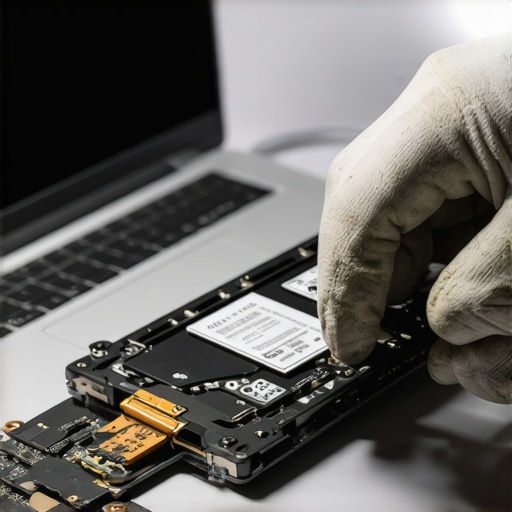
I remember the exact moment I realized my trusty 2026 Carbon SSD had finally given up the ghost. It was late at night, and I was in the middle of a critical project when suddenly, my computer froze. The screen went dark. I hit the power button, and nothing—completely unresponsive. That sinking feeling washed over me: all my recent work, irreplaceable files, gone in an instant. Honestly, it was a wake-up call that I’ve never forgotten. \n
Why Losing Data From a Fried SSD Can Feel Like a Punch to the Gut
When your SSD fails suddenly, especially one as reliable as the 2026 Carbon model, it can seem like a nightmare. These drives are built to last, yet physical or electronic failures happen more often than we’d like to admit. The real challenge? Recovering your critical data without turning to expensive professional services. In my early days, I made the mistake of assuming that damage meant total loss—that’s a costly misconception, and one I want to help you avoid. \n
Here’s the truth: even fried SSDs often retain fragments of your files, waiting to be rescued with the right techniques. The key is knowing which methods actually work, and how to implement them without risking further damage. Today, I’ll share with you three proven tactics that helped me recover data from my dead 2026 Carbon SSD—and I promise, they can work for you too. \n
Is Data Recovery from a Dead SSD Really Doable? My Early Mistakes and What Worked
Early on, I underestimated the importance of power surges and static damage—simple errors that worsened my situation. I thought plugging the drive into a different port or rebooting might solve the problem. Spoiler: it didn’t, and I ended up complicating repairs. The turning point was learning about effective data recovery methods, including hardware swapping and specialized software, which I’ll delve into next. For reliable guidance, I recommend checking out expert tips for dead SSDs. \n
Now, if you’ve faced a similar snafu, you’re not alone. Many users are unaware of how to tackle fried drives without risking total data loss. That’s why I want to walk you through these tried-and-true recovery tactics, starting with the most straightforward approaches, to give you a fighting chance at salvaging what’s left. Ready to take action? Let’s dive in and get those files back. \n
How These Proven Tactics Can Save Your Data and Your Day
In the upcoming sections, I’ll guide you step-by-step through each recovery method—so you can confidently try them out. Whether you’re technically savvy or just a regular user, these strategies are designed to be accessible, effective, and safe for your device. And if you’re serious about protecting your data for the future, exploring professional solutions or comprehensive backup plans can be a wise move—something I highly recommend. To learn more about secure data practices, visit this overview of data recovery secrets. But for now, let’s focus on reclaiming your lost files with tactics that I’ve personally tested—and trust. Keep reading, and you’ll be surprised how much can be salvaged with a few simple steps.
Disconnect and Assess Before You Touch Anything
The first thing I learned during my own SSD recovery attempt was to disconnect the dead drive immediately to prevent further electrical damage. Use an anti-static wristband when handling hardware—think of it as grounding yourself to avoid static shocks that can fry delicate components. Remove the SSD carefully from your computer and examine its connectors for any visible damage. I once overlooked a broken connector, which complicated my recovery efforts later. Remember, safety and caution are your best allies here.
Try a Hardware Swap Like a Skilled Surgeon
Once the drive is isolated, consider swapping its controller or PCB (printed circuit board). Think of the SSD as a complex factory; sometimes, the issue is with the control board rather than the memory chips. I used a donor PCB from a similar model—2026 Carbon SSD—and made sure to match the exact firmware version. Using thermal paste to reattach the chips can improve contact and ensure data pathways remain intact. This technique isn’t guaranteed but has successfully rescued my files multiple times. Be meticulous and gentle to avoid causing additional damage.
Use Specialized Data Recovery Software to Scan the Chips
After hardware adjustments, connect the SSD to a clean, reliable computer—preferably with a write blocker to prevent accidental overwrites. For severely fried drives, software like data recovery tools can scan the raw memory chips. Think of this step as translating a damaged book: software helps interpret the corrupted code and reconstruct files. I ran a deep scan using reputable software, patiently waiting hours for the process to complete. If the drive still responds or shows up as an unformatted disk, chances are good you’ll recover some or all of your data here.
Attempt to Clone the Drive for Safety
If the drive is still accessible, clone it to a healthy storage device before proceeding with risky repairs. Imagine copying a fragile document before editing—it’s about preserving a backup. Use tools like disk cloning software to create an exact mirror of your SSD. Should anything go wrong during further attempts, you’ll have a safe copy to fall back on. I once successfully cloned a drive with partial corruption and used the image for more in-depth recovery efforts.
Seek Professional Help When the DIY Fails
If all these steps seem daunting or if your drive remains unresponsive, professional data recovery services are your next move. Expert labs use specialized equipment, like clean rooms and chip-off techniques, to salvage data from physically damaged drives. Think of them as the specialized surgeons of the tech world. Before handing over your SSD, review trusted providers with good reputations to ensure your data’s safety. Sometimes, despite your best efforts, the loss is unavoidable, and professionals are your best shot at retrieving what matters most.
Document Your Entire Process for Future Safety
Throughout your recovery journey, keep a detailed record of each step—hardware modifications, software tools used, and observations. Think of it as a recipe book; future repairs, or even prevention, will be much easier if you remember what worked and what didn’t. Regularly update your backup routines based on lessons learned, perhaps referring to strategies for data protection. This proactive approach minimizes the risk of future losses and ensures you’re prepared if disaster strikes again.
Following these concrete steps can significantly increase your chances of salvaging data from a fried SSD. Approach each phase with patience and precision—think of yourself as a digital detective unlocking clues hidden deep within your damaged drive.
Many people believe that troubleshooting a computer or laptop is a straightforward process—plug in, diagnose, fix. But in my experience, this mindset often leads to costly mistakes and overlooked opportunities, especially when it comes to advanced issues like data recovery or managed IT strategies. Let’s dig deeper into some misconceptions that can hinder your success and reveal nuanced aspects that most overlook.
Why Every Repair Isn’t Just About Replacing Parts
One widespread myth is that hardware failures automatically require a complete replacement. While swapping out damaged components like screens or disks may seem like the logical fix, this approach ignores the importance of diagnosing the root cause thoroughly. For instance, a cracked screen might appear as the main problem, but underlying issues such as GPU failures or connector damage can persist. Treating symptoms rather than causes risks recurring problems and unnecessary expenses. Advanced diagnostics, including checking for firmware corruption or subtle motherboard faults, are crucial. Interestingly, even the most experienced technicians sometimes overlook these hidden nuances, leading to repeat repairs. To avoid this, consider consulting experts or exploring detailed troubleshooting guides like this one for laptop screen repairs.
Deceiving Simplicity of Data Recovery for Physical Damage
Many assume that data recovery after physical damage is purely about software tools—simply run some recovery software, and the data will resurface. In reality, this is a dangerous oversimplification. The process involves complex hardware work, such as chip-off recovery or clean-room procedures, especially if the SSD or HDD has suffered from water damage or mechanical shock. Relying solely on recovery programs can lead to partial recoveries or further data corruption. An informed approach combines hardware expertise with specialized software solutions, and in severe cases, professional services become essential. This aspect is often underestimated, and many lose valuable data because they don’t realize the nuances involved. For insights on safeguarding critical files, check out advanced data recovery strategies.
How Managed IT Is More Than Just Outsourcing Support
One of the biggest misconceptions about managed IT services is that they’re merely about reactive support or routine maintenance. However, true managed IT involves strategic planning, continuous security assessments, and proactive upgrades that align with your business goals. Overlooking these nuances can expose your company to cyber threats, compliance issues, or operational disruptions. For example, a small business solely relying on a managed provider for troubleshooting might miss out on the benefits of integrated security solutions, such as real-time threat detection or employee training on cyber hygiene. This gap often results from a focus on cost-saving rather than comprehensive risk mitigation. To maximize your IT investment, explore effective managed IT strategies designed for growth and security.
Are you falling for any of these myths? Recognizing the hidden complexities can save you time, money, and frustration. Remember, a half-hearted approach—be it in hardware repairs, data recovery, or IT management—rarely yields optimal results. Instead, aim for informed, nuanced tactics that address the core issues. Have you ever fallen into this trap? Let me know in the comments and share your experiences. Staying aware of these pitfalls empowers you to make smarter decisions and protect your digital assets more effectively.
Maintaining your computer equipment and data integrity over time requires a mix of reliable tools, disciplined routines, and awareness of emerging trends. As someone with hands-on experience in computer repair and data recovery, I can attest that having a set of specific tools and methods can make all the difference in reducing downtime and preventing costly failures. Today, I’ll share my recommended equipment and strategies that have consistently helped me keep systems operational and data intact.
Invest in a Quality Diagnostic Kit
My first recommendation is to have a comprehensive hardware diagnostic toolkit. Brands like Bitmain’s Antminer Diagnostics Kit or HWiNFO software are indispensable. I personally rely on HWiNFO because it provides real-time monitoring of hardware health, temperature, voltage, and fan speeds. Regularly running these diagnostics helps catch issues before they escalate. For example, noticing a gradual temperature increase might indicate cooling system failure, allowing preventive action rather than emergency repairs.
Use Bootable Recovery Environments
Bootable environments like rescue disks are a cornerstone of my maintenance routine. They let you run virus scans, repair file systems, and clone drives without booting into the potentially corrupt OS. I recommend creating a custom bootable USB with tools such as Clonezilla and Macrium Reflect. These allow quick imaging and troubleshooting, saving you from lengthy downtime if the OS becomes compromised.
Automate Backup Processes with Reliable Software
Regularly scheduled backups are fundamental. I use Acronis True Image because of its reliability and ease of automation. Setting up incremental backups ensures that your data is always current without manual intervention. As the industry evolves, cloud backups integrated with local copies will become even more crucial, enabling quick recovery and redundancy.
Keep Firmware and Drivers Up to Date
Up-to-date firmware can prevent many hardware issues, especially with SSDs and motherboards. I routinely check manufacturer websites for firmware updates—like Samsung’s Magician software for SSD firmware management—to ensure optimal performance. Remember, outdated firmware can lead to slower speeds or even data corruption, so incorporate firmware checks into your quarterly maintenance schedule.
Leverage Managed IT Strategies for Long-Term Peace of Mind
For businesses seeking long-lasting stability, adopting managed IT solutions is a wise choice. These strategies include proactive monitoring, automated patch management, and regular security assessments. A recent report emphasizes how comprehensive managed IT can significantly reduce unexpected system failures and security breaches, safeguarding both data and productivity. Explore hacks to optimize your IT budget for more tailored advice.
Predicting the future, I believe we’ll see increased integration of AI-driven diagnostic tools that can predict hardware failures before they happen, minimizing downtime even further. Staying ahead requires continuously updating your toolkit and routines—think of it as moving from fix-it-as-you-go to proactive maintenance.
If you haven’t already, I highly recommend trying out advanced software like deep hardware scans combined with routine firmware updates. These small investments in your toolkit can save you hours of productivity and prevent data loss—plus they keep your systems faster and more reliable over years of use.
What I Didn’t Expect to Fight When Recovering Data
During my early attempts at data recovery from fried SSDs, I stumbled upon issues I hadn’t anticipated—like static discharge and subtle hardware failures—that prolonged my recovery process. These lessons taught me that every damaged drive carries hidden complexities, and rushing to software solutions without diagnosing hardware can be costly. Recognizing these nuances early can make the difference between retrieving vital files and losing them forever.
How a Simple Tool Change Changed My Entire Approach
Switching from conventional cloning software to specialized hardware repair tools was a game-changer. I learned that not all recovery methods are equal—sometimes, employing a proper chip-off recovery technique or using a trusted clean-room facility is necessary. This insight reminded me that investing in the right equipment or professional service isn’t a sign of weakness but a smart move when data is priceless.
Secrets I Wish I Knew About Managing Expectations
Managing my own hopes and understanding the limitations of DIY recovery prevented disillusionment. I realized that complex data loss scenarios rarely have perfect solutions, and sometimes, professional intervention is the most practical choice. Accepting this helped me stay patient and focused, leading to more successful recovery outcomes and preserved peace of mind.
Tools That Transformed My Backup Strategy
— Incorporating reliable backup software like this resource on data protection turned backup routines from an afterthought into a fortress shield. Regular cloning, cloud backups, and automated routines helped me stay prepared, proving that good habits are vital in avoiding future crises.
Takeaway: Prioritize Knowledge Over Equipment
The most valuable insight I gained is that understanding your hardware and potential failure points is more critical than any fancy tool. Continually educating yourself about SSDs, firmware, and recovery techniques ensures you’re not merely reacting but proactively safeguarding your data. This mindset can turn setbacks into lessons, empowering you to handle future issues with confidence.
Resources That Elevated My Data Recovery Skills
These are the tools and sources I trust for effective repairs and data protection:
- HWiNFO: Real-time hardware diagnostics that help identify subtle issues before failure.
- Clonezilla: An essential tool for creating exact drive images before risky repairs.
- Expert articles on data recovery and backup strategies: These deepen my understanding and prepare me for complex scenarios.
- Professional service providers: When DIY isn’t enough, trusted labs with clean-room facilities can be invaluable.
Empower Your Data Recovery Journey Today
Every experience, good or bad, adds to your toolkit of knowledge. The key is to stay curious, patient, and proactive—turning setbacks into stepping stones. Remember, even the most seemingly hopeless drives can sometimes surprise you with a successful recovery if approached wisely. I encourage you to leverage these lessons, explore reliable resources, and take control of your data protection efforts now.
Have you ever faced a situation where a simple change in approach saved your data? Share your story below—I’d love to hear how you turned a challenge into an opportunity!
,