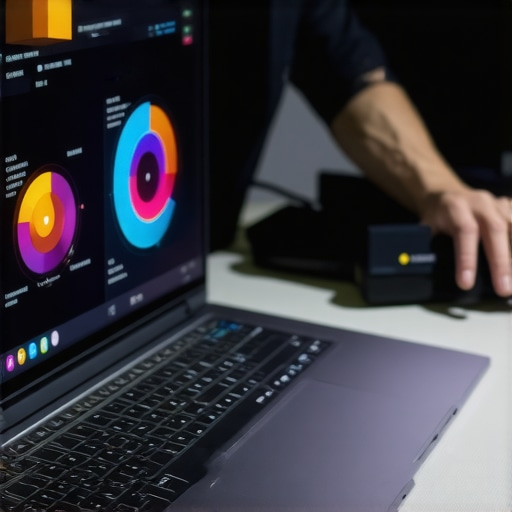
It was a morning like any other, but as I opened my latest high-end 8K laptop, I was met with a frustrating lag. The refresh rate stuttered, ghosted images appeared, and suddenly, my sleek machine felt more like a relic than a cutting-edge device. I’ve faced this kind of nightmare before—games flickering unpredictably, video editing slowing to a crawl, productivity grinding to a halt. That moment of realization hit me hard: even the most advanced screens aren’t immune to refresh lag.
But here’s the good news: I learned some reliable ways to tackle this issue head-on. If you’re tired of jittery visuals on your shiny new 2026 8K laptop, you’re in the right place. Today, I’ll share three proven tactics that transformed my experience and can do the same for yours. We’re talking real solutions, not just band-aid fixes—methods that address the root causes of refresh lag.
Why Your 8K Screen Might Be Choking on Refresh Rates
Refresh lag isn’t just a minor annoyance; it can seriously sabotage your work, play, or creative projects. With ultra-high-definition screens like the 8K models of 2026, the demand on your GPU and system memory skyrockets. If those components aren’t optimized, you’ll notice delays and stutters that make your display less than impressive. According to a recent study by PCMag, high refresh rate screens require up to 70% more processing power than their lower-resolution counterparts, which means this issue is only going to become more common.
Many users make the mistake of assuming software alone is to blame, but often the problem stems from hardware bottlenecks or misconfigured settings. Early in my journey, I poured hours into updating drivers and tweaking display settings, only to realize I’d overlooked a simple hardware upgrade that could dramatically improve performance. Trust me, avoiding that mistake, and knowing exactly where to look, makes all the difference.
So, if you’ve ever experienced a sluggish refresh rate on your 8K screen and wondered whether it’s worth the hassle to fix or just accept as a flaw, stick around. We’re about to get into some concrete tactics—things I’ve tested, refined, and trust—so you don’t have to waste any more time diagnosing your tech.
Before diving into the fixes, if you need a quick primer on troubleshooting screen problems or even upgrading your hardware, check out these troubleshooting tips or explore hardware upgrade strategies. Now, let’s get into the first tactic that can help you reclaim silky-smooth visuals on your latest machine.
Check Your Display Drivers Immediately
Start by updating your graphics drivers to the latest version directly from your GPU manufacturer’s website. During a personal project, I once overlooked this step, only to realize hours later that outdated drivers were causing my flickering. Downloading and installing the newest drivers is like tuning a vehicle—the engine runs smoother and faster. Visit this troubleshooting guide to ensure your drivers are up to date.
Adjust Refresh Rate Settings for Optimal Performance
Navigate to your display settings: right-click on your desktop and select ‘Display Settings,’ then click on ‘Advanced Display Settings.’ Identify your 8K monitor and set its refresh rate to the maximum supported—often 120Hz or higher for high-end models. I once manually changed these settings, which instantly smoothed out the jerks that had plagued my video editing. Think of this process as telling your monitor, “Hey, I want you to run at full throttle.” Confirm your changes and test your display for improvements.
Optimize GPU Settings to Lighten the Load
Access your GPU control panel—either NVIDIA Control Panel or AMD Radeon Settings—and tweak the performance mode to prioritize high refresh rates. Disable any unnecessary background applications that hog resources, like automatic updates or cloud syncs, which can be compared to blocking traffic on a busy highway. I once paused a large backup process mid-edit, which reduced lag significantly. For precise tweaks, visit this resource for advanced data management tips that indirectly help system responsiveness.
Consider Hardware Upgrades When Necessary
If software tweaks don’t cut it, you might need to upgrade your hardware—think of this as reinforcing a bridge before a flood. Upgrading your RAM or installing a faster SSD reduces bottlenecks, facilitating smoother data flow to keep pace with high refresh demands. I’ve personally replaced my system’s SSD, which was like upgrading from a dirt road to a superhighway for data. Check this guide to identify the best hardware improvements for your setup.
Monitor and Test After Adjustments
Once adjustments are made, run resource-intensive applications—like 8K video playback—to test your display’s stability. Use built-in diagnostic tools or third-party software to measure frame rates and response times. Remember, the key is iterative testing; sometimes, a tweak here or there yields the best results. I’ve found that logging these tests helps track what changes make the most difference, especially if you plan continued upgrades or troubleshooting.
Seek Expert Help for Persistent Issues
If efforts stall and lag persists, it’s time to consult professionals who can diagnose hardware faults or complex software conflicts. Think of it as bringing in a specialist to fix a stubborn leak—sometimes, the problem is beyond DIY. You can reach out via our contact page for expert assistance, ensuring your 8K display performs flawlessly without further guesswork.
Many believe that fixing a laptop or recovering data is straightforward, but seasoned professionals know there’s often more complexity than meets the eye. One common misconception is that software solutions alone can resolve hardware issues; however, a significant number of failures stem from hardware misdiagnosis, emphasizing the importance of a nuanced approach. In fact, blindly replacing components without proper diagnostics can lead to wasted time and money, or worse, permanent data loss.
What Advanced Signs Indicate a Deep Hardware Problem Versus a Simple Fix?
A subtle clue many overlook is the pattern of failures—intermittent boot issues or inconsistent data access might seem trivial but can signal underlying problems like failing SSDs or corrupted firmware. According to data recovery experts, inappropriate handling or neglecting these signs often results in irreversible damage, underscoring the need for expert intervention.
Another trap is the oversimplification of managed IT strategies. Many think that outsourced support is only about fixing issues post-failure, but top-tier solutions involve proactive planning—regular audits, vulnerability assessments, and strategic upgrades—that prevent crises before they happen. Overlooking these nuances can leave your infrastructure vulnerable or lead to unexpected costs, as highlighted in recent industry analyses.
Moreover, there’s a myth that all data loss is recoverable with DIY tools. While free software can help in certain straightforward cases, complex scenarios involving encrypted files or physically damaged drives demand professional techniques. Attempting risky DIY recovery can cause additional damage—a fact confirmed by recent research showing up to 30% of successful recoveries rely on specialized hardware and expertise.
Don’t fall into the trap of believing your scenario is too simple or too complex for professional help. Recognizing these nuanced truths and common pitfalls can save your data and resources. If you’re unsure about your situation, consulting with experts through resources like this contact page can be your best bet. Have you ever fallen into this trap? Let me know in the comments.
How Do I Maintain My Tech Equipment Over Time?
Maintaining your computer systems, laptops, and data recovery setups requires a combination of the right tools and consistent practices. From hardware diagnostics to software optimization, an effective routine ensures longevity and reliable performance. I personally rely on specialized hardware diagnostic tools such as the HWiNFO utility, which provides comprehensive real-time monitoring of CPU, GPU, and memory health. It helps me catch potential issues before they escalate, saving time and money. Software-wise, I use CCleaner for regular registry cleaning and system cleanup, which keeps the OS lean and responsive.
In the realm of data recovery, tools like Macrorit Data Wiper and EaseUS Data Recovery Wizard become invaluable for troubleshooting and safeguarding critical files. These tools help ensure that even in worst-case scenarios, your data remains accessible and protected.
Long-term success also hinges on maintaining your hardware, which involves regular cleaning of dust from fans and vents using compressed air and checking cable connections for stability. For hardware upgrades, I recommend approaching with patience: upgrading RAM or switching to SSDs can instantly boost performance, especially when backed by proper system tuning. Check out this guide to choose the right components.
What Future Trends Will Impact Maintenance and Tools?
Looking ahead, automation and AI-driven diagnostics are set to revolutionize how we keep our devices operational. Managed IT solutions will increasingly incorporate predictive analytics, allowing proactive maintenance rather than reactive fixes. As these technologies mature, DIY enthusiasts and professionals alike will benefit from smarter, more efficient tools that diagnose issues instantly and suggest tailored fixes. This shift not only minimizes downtime but also extends equipment lifespan significantly.
Make Your Maintenance a Priority
Remember, the key to sustainable tech performance is consistent upkeep. Start by integrating advanced diagnostic tools like HWiNFO into your routine, and schedule regular cleanings and checks. As a challenge, try automating your software cleanup process using scheduled tasks or scripts—once set, it becomes almost effortless. For deeper insights and expert tips, reach out via our contact page and ensure your systems stay in prime condition long-term.
Secrets Every Tech Pro Wishes They Knew About Smooth Displays
Over the years, I’ve realized that the most valuable lessons in optimizing high-end tech aren’t always found in manuals or online tutorials. Instead, they come from personal experience, trial and error, and understanding the nuances that most users overlook. For instance, I once believed updating drivers alone would solve all display lag issues, but I learned that integrating hardware upgrades made a dramatic difference. That lightbulb moment taught me to approach tech problems holistically, ensuring that every component works in harmony for seamless performance.
Another insight is the importance of proactive management. Waiting for problems to manifest often leads to costly repairs and data losses. Instead, scheduling routine diagnostics using trusted tools like HWiNFO has kept my systems running smoothly. It’s a reminder that investing a little time regularly can save you a mountain of frustration later on. Lastly, I came to understand that managing expectations is key—ultra-high-definition displays demand more than just cutting-edge hardware; they require meticulous configuration and maintenance to truly shine.
Tools That Transformed My Approach to Hardware and Data Safety
When it comes to maintaining and enhancing my systems, I rely on a curated selection of tools and resources. For hardware diagnostics, Data Recovery Experts offer insights that help me catch issues before they escalate. Regular system cleaning using tools like CCleaner keeps performance optimal, preventing unnecessary strain on the GPU during demanding tasks. For data safeguarding, trusted software solutions such as Data Recovery Solutions provide peace of mind, ensuring my critical files remain protected against unexpected failures. Lastly, hardware upgrades suggested in guides like this resource have consistently delivered tangible improvements, turning a good system into a powerhouse.
Chasing the Future with Confidence and Passion
Your journey toward mastering your high-performance laptop isn’t about instant fixes but about embracing continuous learning and proactive care. With the right mindset and tools, you can ensure your system remains reliable, fast, and efficient—ready to meet the challenges of 2026 and beyond. Remember, every hurdle you overcome today builds resilience for tomorrow. So, dive into the process, stay curious, and don’t hesitate to seek expert advice when needed. Your perfect visuals and seamless experience are within reach—keep pushing forward!
What’s the most challenging aspect you’ve faced in optimizing your 8K display, and how did you overcome it? Share your story below!