
I remember the exact moment I realized my managed IT provider might be pulling a fast one. It was a typical Thursday, and suddenly, my laptop screen flickered—a sign of trouble. Expecting a quick fix, I reached out for support, only to be hit with a bill that made my jaw drop. The technician’s words echoed in my mind: “This is quite complex, and it will cost more.” That’s when the lightbulb went off. Are we all getting overcharged without even realizing it?
Spotting the Signs of Overcharging from Your Managed IT Partner
Many business owners trust their IT providers to keep their technology running smoothly, but some might be unknowingly paying more than they should. It’s essential to recognize the warning signs early, saving you money and frustration in the long run. Today, I’ll share with you the four red flags I wish I knew about earlier—things that can help you evaluate whether your current provider is giving you a fair deal or just padding the bill.
Is Overpaying for Essentials Really Worth It?
One common mistake I made early on was assuming that high costs meant high quality. As I dug deeper, I discovered that some providers use complex jargon and inflated prices to justify their fees. There’s a danger in trusting without question, especially when your budget is tight. By understanding what to look for, you can avoid these pitfalls and make smarter decisions. If you want to explore how to streamline your IT expenses without sacrificing security, check out our article on managed IT strategies for 2025.
Have you ever felt that your managed IT costs spiraled out of control without clear reasons? You’re not alone.
Let’s dive into the key warning signs so you can confidently evaluate your current IT support and get the value you deserve.
Prioritize Immediate Action When Data Loss Occurs
When your files vanish or your system crashes, time is of the essence. Think of data recovery like rescuing a stranded hiker; the sooner you act, the higher the chances of getting them back safe. I once experienced this firsthand when a critical external drive suddenly became unreadable. Instead of turning to risky DIY solutions, I immediately stopped using the drive and contacted professionals through this link for expert assistance.
Assess the Damage Before Attempting Repairs
Understand Your Device’s Symptoms
Diagnose whether the problem is hardware or software related. For example, a laptop that won’t start could be a battery issue, a corrupted system, or a damaged motherboard. Use troubleshooting guides like these troubleshooting tips to narrow down the cause.
Gather Essential Information
Document error messages, symptoms, and recent changes. This info will help technicians or your own diagnostics be more precise, reducing unnecessary replacements that can cost time and money.
Execute Step-by-Step Repairs with Precision
Work Safely to Protect Data
Unplug the device and ground yourself to prevent static damage. If you’re comfortable, open the device following manufacturer guides or this resource on laptop repairs. Use appropriate tools and work in a static-free environment.
Replace or Repair Hardware Components
If replacing a screen, use these quick guides for the most common fixes. Carefully disconnect the damaged part, install the new one, and test thoroughly. For complex repairs, consider professional help—precise soldering or motherboard replacements require expertise.
Leverage Data Recovery Techniques Effectively
In cases of corrupted drives or accidental deletions, employ proven recovery methods. Utilize tools like top data recovery solutions suited for your scenario. Remember, avoid writing new data to the affected drive until recovery is complete to prevent overwriting crucial files.
Implementing Preventive Measures for Future
Regular backups are your best defense. Use cloud services or external drives, and verify backup integrity routinely. Additionally, keep your system updated with the latest patches to prevent malware and compatibility issues.
Aftercare and Follow-Up
Once repairs are completed, monitor device performance. Run diagnostics to confirm stability, and don’t forget to document the repair process. If anomalies appear, consult professionals again; second opinions save headaches later. For ongoing support, consider a managed IT relationship, which you can explore at this resource for future security.
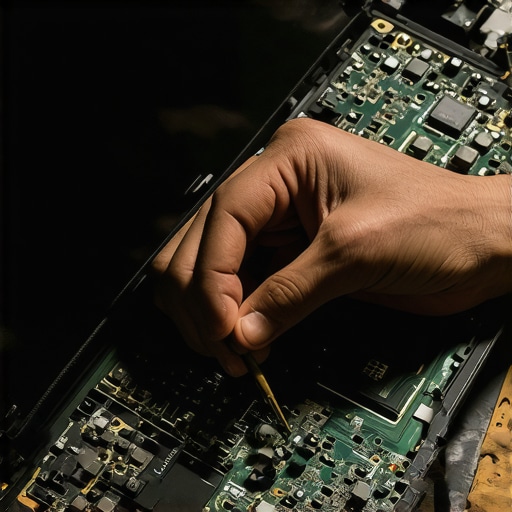 Many assume that data recovery and computer repair are straightforward tasks—simply plug and fix, right? In reality, there’s a nuanced layer that often gets overlooked. One common myth is treating data recovery as a guaranteed process; however, not all data can be salvaged, especially if overwritten or severely damaged. Expert sources warn that attempting DIY recovery without proper tools can unintentionally reduce chances of success, emphasizing the importance of consulting specialists through professional support. Additionally, many underestimate the complexity of laptop screen repairs, believing that replacing a crack means a quick fix, but ignoring subtle issues like backlight failure or internal board damage can lead to recurring problems. When it comes to managed IT services, the misconception that ‘set it and forget it’ guarantees optimal security is dangerous. Managed IT involves continuous monitoring and strategic updates—overlooking this nuance can expose businesses to vulnerabilities, as highlighted in industry analyses.
What Advanced Mistakes Do Experts Keep An Eye On?
Experts advise that one of the most overlooked aspects is understanding encryption’s role in data recovery. Lost encrypted files require specialized decryption techniques; attempting brute-force methods can permanently render data unusable. A study by cybersecurity firm Kaspersky underscores that misunderstanding encryption can lead to irreversible data loss during recovery attempts. So, while the surface-level assumption is that all data is recoverable, deep expertise reveals otherwise.
Navigating these nuances requires not just basic knowledge but a thorough understanding of underlying systems and potential pitfalls. Remember, rushing into repairs or recovery without proper expertise is a trap that can cause more harm than good. Always evaluate whether your approach accounts for these complexities. Have you ever fallen into this trap? Let me know in the comments. For more insights on safeguarding your systems, explore our data recovery secrets dedicated to modern businesses.
Investing in Reliable Equipment and Software
My go-to hardware for maintaining optimal device performance starts with a quality external SSD like the Samsung T7. Its fast read/write speeds and durability make it perfect for regular backups and data recovery tasks. I personally prefer it over traditional HDDs because it significantly reduces downtime when restoring files. In terms of software, I rely on tools like Macrium Reflect Free for creating reliable system images, which serve as a safety net during unexpected failures. Its user-friendly interface and comprehensive cloning options make routine backups straightforward, even for less tech-savvy users.
For network monitoring and security, I recommend using advanced tools like PRTG Network Monitor. It provides real-time insights into network traffic, helping me identify unusual activity before it turns into a serious issue. Employing such solutions allows for proactive management, reducing long-term downtime and costly repairs.
Adopting a Preventive Maintenance Routine
Scheduled maintenance, including cleaning hardware components, updating firmware, and running diagnostic checks, extends device lifespan. I make it a habit to set monthly reminders for these tasks, ensuring my systems stay in top shape. Regularly testing your backups and data recovery plans is equally critical; I simulate restore procedures quarterly to verify restore speeds and data integrity, as suggested by data recovery experts.
Leveraging Automation and Remote Management
Automating routine tasks through scripts saves time and minimizes human error. For example, I use PowerShell scripts to check disk health and clear temporary files across multiple machines remotely. This proactive approach detects hardware issues early and keeps everything running smoothly. Cloud-based remote management platforms like SolarWinds allow me to oversee multiple devices from a single dashboard, ensuring rapid response to any emerging problems.
Predicting Future Trends in Device Maintenance
As AI and machine learning become more integrated into hardware diagnostics, I foresee an era where predictive maintenance will be standard. These systems will analyze usage patterns and sensor data to forecast failures before they happen, drastically reducing downtime. Embracing these technologies now will position you ahead of the curve, resulting in better long-term device health and lower repair costs.
How do I maintain my systems over time? Regularly updating firmware, performing scheduled backups, and monitoring hardware performance are vital steps. Incorporating automation tools to handle routine checks ensures nothing slips through the cracks. I encourage you to try setting up scheduled backups with Macrium Reflect and test your restore process to see how quickly you can recover critical files if needed. For more insights on implementing effective managed IT solutions, visit this resource.
Investing in quality tools and establishing disciplined maintenance routines will pay off by minimizing unexpected failures and extending the lifespan of your devices. Stay proactive, and don’t wait for a crisis to force your hand—embrace these strategies today to keep everything working smoothly.

Image prompt: Close-up of a technician using a laptop with diagnostic tools, surrounded by hardware components and digital displays showing system health indicators. Alt: Technician performing maintenance with digital monitoring. Title: Mastering Device Maintenance for Long-Term Reliability.
Smooth sailing or rocky roads? The lessons I wish I had learned about managing IT costs
Early in my journey, I believed that paying top dollar for IT support guaranteed the best quality. Over time, I realized that some providers leverage complexity and jargon to justify inflated prices, leaving me overcharged and undervalued. Recognizing this has been pivotal, empowering me to seek transparent, value-driven solutions rather than expensive, opaque services. This insight underscores the importance of evaluating your support partners beyond their price tags—look for clarity and honesty in their offerings.
My tools for staying ahead in the data recovery game
When it comes to safeguarding crucial files, I rely on a combination of proven hardware and trusted software. External SSDs like the Samsung T7 are my go-to for fast, reliable backups, while Macrium Reflect provides straightforward imaging that restores systems swiftly. These tools have consistently minimized downtime during crises, reaffirming that investing in quality equipment and software is a non-negotiable for peace of mind. My advice? Build your arsenal with solutions you trust—your future self will thank you.
The emotional side of tech recovery—staying resilient
Facing a system crash or data loss can be emotionally taxing, especially when urgency is high. But maintaining calm and strategic action turns chaos into control. I’ve learned that pausing, assessing, and then executing step-by-step repairs make a significant difference. Developing this mindset transforms stress into confidence, ensuring you don’t make hasty decisions that could worsen the situation. Remember, resilience is as vital as the tools you use—believe in your capacity to recover and learn from each experience.
Insider Wisdom: Lessons from My Data Recovery Journey
- Don’t assume all data recovery attempts are created equal; professional support often yields higher success rates, especially with encrypted files.
- Don’t rush hardware repairs without diagnosing the root cause; a quick fix might just be masking a deeper issue.
- Don’t neglect preventive measures—regular backups and updates are your best defense against future crises.
- Don’t forget that deep understanding of encryption and system architecture can save you from irreversible data loss.
Where to Seek Expert-Backed Strategies and Tools
My trusted resources include industry-leading tools like top data recovery solutions and hardware essentials such as solid-state drives for speedy backups. For ongoing support and a strategic approach to IT, I turn to managed IT strategies for 2025. Do your homework—invest in tools and guidance that align with your needs and take the stress out of emergencies.
Take Charge of Your Tech Future Today—It’s Within Reach
Empowered with the right knowledge, tools, and mindset, you can turn data recovery challenges into opportunities for growth. Every setback is a chance to refine your skills and strategies, making your systems more resilient than ever. Remember, proactive maintenance, diligent backups, and continuous learning are your best allies in tech management. You’re capable of mastering your digital environment—start today and keep pushing forward!