
It happened in a flash—my laptop screen went dark right in the middle of an essential presentation. A tiny crack, and suddenly, everything’s a blur. Frustration? Absolutely. But what hit me harder was realizing how much I dreaded the thought of costly repairs or replacement. I wondered, “Could I fix this myself without breaking the bank?” That was my lightbulb moment. Today, I want to share with you a simple, budget-friendly approach that might just be your saving grace when your laptop screen acts up.
Your Pocket-Friendly Fix Is Closer Than You Think
Is Cheap Screen Replacement Actually Worth It or a Waste of Time?
When I first considered fixing my laptop screen myself, I was skeptical. I had heard stories of botched repairs and ending up with a worse problem. But I also knew professional repairs could be prohibitively expensive. Did you know that according to a recent survey, the average cost for professional laptop screen repair can reach up to $200-$300? That’s a hefty price tag, especially if your device is still fairly new. Yet, the thought of a DIY fix seemed daunting—until I researched and learned some crucial tips. Early on, I made the mistake of rushing into ordering parts without verifying compatibility, which only led to delays. Trust me, taking the time to understand what your specific model needs is key. If you’re like me, eager to get back to work or entertainment without draining your wallet, you’re probably asking, “Can I truly do this myself?” Well, I can tell you from experience—yes, you can, if you follow a reliable guide. To make this process less intimidating, I’ve compiled essential steps and resources to help you navigate your repair successfully, so let’s dive into how you can save money and time with a bit of know-how.
Gather Your Tools and Parts Carefully
Before jumping into the repair, assemble the necessary tools: precision screwdrivers, plastic prying tools, adhesive strips, and a clean workspace. I once rushed this step, ordering the wrong size screws, which caused delays. To avoid this, check your laptop model’s exact specifications and buy from reputable suppliers through links like top laptop screen replacement tips. Gathering everything upfront prevents multiple trips to the store or waiting for shipping, making your repair smoother and less stressful.
Disassemble with Precision and Care
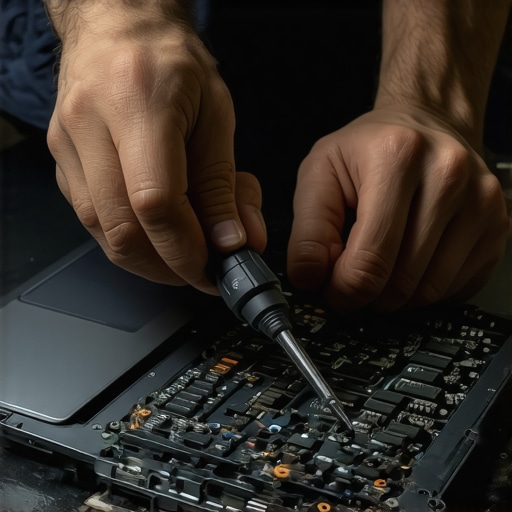
Start by shutting down your laptop and removing the battery if possible. Use your precision screwdrivers to carefully unscrew the bezel around the screen. During my own repair, I found that applying gentle, even pressure with plastic prying tools prevents cracks in the housing—think of it like opening a jar without forcing it. Keep track of all screws and parts using small containers or magnetic mats. Document each step with photos, which serves as a roadmap during reassembly and prevents common mistakes, like forgetting where a screw belongs. For detailed visual guidance, check expert tips for fixing common issues at home.
Remove and Replace the Broken Screen
Gently detach the broken screen, disconnecting any cables with care. Handle the new screen by the edges, avoiding pressure points that could cause damage. Align mounting points precisely before pressing or screwing the new display in place. Remember, a loose connection is often the culprit of flickering or display issues, so double-check all connectors. In my experience, taking my time here saved me from having to redo the entire step. When in doubt, consult top repair tips for troubleshooting common installation pitfalls.
Seal Everything Back Smoothly
Reattach the bezel carefully, applying even pressure around edges to avoid gaps. Secure all screws, and reconnect the battery. Before powering up, double-check that no tools or loose screws remain inside. Power on the laptop, and test the display thoroughly—look for artifacts, flickering, or dead pixels. If issues persist, revisit the connections or consider professional help. This method saved me hours and hundreds of dollars, proving that patience and attention to detail make all the difference. If problems still arise, professional guidance from experts can be a safe safety net. Keep in mind, a cautious approach ensures your repaired screen will serve you well for a long time.Many misconceptions surround managed IT services, laptop repairs, and data recovery that can lead businesses and individuals astray. A common myth is that managed IT is merely outsourcing some tech support, but in reality, effective managed IT involves a comprehensive strategy, proactively safeguarding your assets and optimizing operations. According to industry expert trusted solutions providers emphasize that it’s about aligning technology with your business goals for long-term growth.
Why Relying on Myths Can Cost You More
One trap many fall into is assuming that DIY repairs or basic solutions are sufficient for complex issues like data recovery or hardware failures. While some minor problems can be self-managed, advanced mistakes, such as attempting to recover critical files without understanding underlying causes, can exacerbate data loss. For example, overwriting corrupted files during recovery attempts is a common blunder that worsens the situation.
Moreover, many believe that all data recovery services are equally effective. However, professional recovery strategies, leveraging specialized tools and techniques, significantly improve success rates, especially against sophisticated threats or physical damages. Check out top expert strategies for safeguarding your critical files.
How Managed IT Can Backfire Without Proper Planning
Without a strategic approach, managed IT services can lead to unnecessary expenses or security gaps. For instance, relying solely on basic antivirus solutions neglects deeper vulnerabilities like network segmentation or patch management. A deliberate, layered security approach not only protects against current threats but adapts to emerging ones—something many overlook. You might think upgrading hardware or software once is enough, yet the real benefit lies in ongoing monitoring and risk assessment, as outlined in latest strategies for 2025.
One advanced mistake is ignoring employee training, which is crucial in preventing breaches—an often underestimated aspect of a robust security posture. This nuanced understanding can make the difference between a resilient system and one vulnerable to targeted attacks.
What About the Risks of Overestimating DIY Repairs?
When it comes to laptop screens or hardware issues, many assume that following online tutorials guarantees success. While tutorials are helpful, they often omit critical nuances, such as handling delicate connectors or preventing static damage. A minor oversight during disassembly can turn a simple repair into a costly replacement.
Furthermore, incomplete or improper repairs may void warranties or lead to future failures. It’s essential to recognize when expert intervention is warranted. For example, consultation or professional repairs can save time and money, as highlighted in top repair tips. Letting professionals handle complex repairs ensures longevity and optimal performance.
Have you ever fallen into this trap? Let me know in the comments. Remember, understanding these hidden nuances can save you frustration, money, and data security in the long run.
Keeping Your Tech in Top Shape: Tools and Tips for Longevity
Staying ahead in the tech game means having the right tools and habits to maintain your devices over time. I personally rely on a set of precise tools like the Wiha Precision Screwdriver Set, which offers the torque and small bits necessary for delicate repairs without damaging components. Pairing this with a static wrist strap ensures static discharge is minimized, protecting sensitive hardware during disassembly. For software, I recommendam using CrystalDiskInfo for real-time SSD and HDD health monitoring, enabling you to catch potential drive failures early before data loss occurs.
Another indispensable resource is software like Recuva for quick data recovery when accidental deletions happen. However, for more complex recovery scenarios or physical damage, I turn to professional solutions detailed in this guide. Regular backups using external drives or cloud services like Backblaze provide peace of mind, ensuring that even if hardware fails, your data remains secure and accessible.
Having the right tools is only part of the equation. Developing consistent maintenance habits—such as scheduled cleanings to prevent dust buildup, routine software updates, and periodic hardware diagnostics—can significantly extend the lifespan of your devices. I personally set calendar reminders every three months to perform a quick system check and cleaning, which has saved me from unexpected failures.
What Are the Best Practices for Long-Term Maintenance?
Invest in maintaining your devices proactively by creating a maintenance routine that includes hardware inspections, software updates, and backup verification. Over time, you’ll notice fewer issues and better performance. As technology evolves, so do the tools and techniques for ensuring health and longevity. For instance, emerging AI-driven diagnostic tools are becoming more accessible, helping detect issues before they manifest visibly.
Predictionally, as managed IT solutions continue to evolve, integrating these advanced tools for small businesses will become commonplace, enabling even non-technical users to sustain their equipment effectively. If you’re interested in strategies that can scale with your growing needs, explore this resource.
If you’re eager to take your device maintenance to the next level, try implementing a scheduled check every quarter using a combination of the hardware tools I’ve mentioned and the software monitoring solutions. Not only will your devices perform better, but you’ll also save money by avoiding costly repairs down the line.
Remember, consistent care, proper tools, and knowledge build a resilient tech environment that handles the demands of both business and leisure. Stay proactive, stay protected, and your devices will thank you!
Lessons the Tech Gurus Don’t Usually Share
- Realizing that patience trumps haste in repairs—rushing often leads to more damage rather than saving time. My blunder with loose connections taught me to double-check every step meticulously.
- Understanding the importance of proper tools; using inadequate screwdrivers or prying tools can turn a simple fix into a costly mistake. Investing in quality tools has been a game-changer for me.
- Knowing when to seek professional help isn’t a sign of failure but wisdom—some issues, especially hardware faults, are best left to experts to prevent further damage.
- Myths about DIY success rates often oversimplify the process. Real-world experience shows that complex problems require layered solutions, not just tutorials.
- The value of ongoing maintenance knowledge; proactive care not only extends device lifespan but also reduces unexpected downtimes and repair costs.
Tools and Resources That Make a Difference
- Crucial Tool: Wiha Precision Screwdriver Set—durable, precise, and essential for delicate repairs, trusted from personal experience for its reliability.
- Smart Software: CrystalDiskInfo helps monitor drive health and prevents data loss surprises, a go-to for early detection.
- Knowledge Hub: The top repair guides at these resources offer step-by-step visuals that demystify complex disassemblies.
- Backup Strategy: Cloud solutions like Backblaze ensure your data stays protected without hassle, a crucial layer in your maintenance routine.
Seize the Opportunity to Level Up Your Skills
Empowered with proper knowledge and tools, you can transform frustration into mastery. Remember, every repair you undertake enhances your confidence and reduces dependency on costly services. Dive into detailed tutorials, connect with online communities, and keep refining your approach. The future of managed IT and device longevity depends on proactive, informed individuals like you—ready to troubleshoot, repair, and optimize your tech environment. Are you prepared to challenge the misconceptions and embrace smarter, more cost-effective solutions? Share your experiences or questions below, and let’s build a community of savvy tech users together!
I really appreciate how comprehensive this guide is! Fixing a cracked laptop screen seems intimidating at first, but breaking it down into step-by-step processes makes it feel more manageable. I remember my own experience with replacing a cracked screen on an old laptop; I was initially hesitant but found that with patience and the right tools, it’s doable. I especially liked the emphasis on verifying compatibility before ordering parts—nothing worse than waiting for a replacement only to find out it doesn’t fit. Has anyone here tried this DIY approach on a newer model with a high-resolution display? How did it go? I’m curious about how delicate those connectors can be and whether there are specific precautions for ultra-slim screens. Overall, this post is a great resource for anyone looking to save money and gain new skills – I might attempt my own repair next time something goes wrong!
This guide really hits the mark when it comes to demystifying DIY laptop screen repairs. I remember my own experience attempting to replace a screen on a relatively new ultrabook, and I have to agree that verifying compatibility beforehand is crucial, especially with high-resolution displays. The delicate connectors and slim bezels do make the job trickier, but with patience and proper tools, it’s definitely manageable. I’ve learned that handling delicate parts requires a softer touch and anti-static precautions, which often overlooked can lead to more damage. Have others found particular tools or techniques helpful for minimizing static or avoiding connector damage? Also, I think investing in quality replacement screens paid off in the long run, reducing the chances of flickering or dead pixels after the repair. It’s inspiring how accessible these repairs can be with the right guidance. What are some common pitfalls to watch out for when working on ultra-slim models, beyond the usual handling tips? Would love to hear more experienced tips from fellow DIYers.