

Ever had that moment where your laptop’s fan kicks into overdrive only when you plug in the charger? It’s frustrating — like your device suddenly becomes a drama queen. I remember spending hours trying to figure out why my trusty laptop acted up only when connected to power, leaving me worried about potential hardware failures or costly repairs. That lightbulb moment hit me hard when I realized this seemingly minor quirk was actually a window into deeper hardware health issues. And believe me, understanding this can save you from a big headache down the line.
Why Your Laptop Fan Only Spins When You’re Plugged In
So, let’s get straight to it. The simple fact that your fan operates solely when connected to power isn’t just a quirk — it often signals an underlying problem with your device’s power or thermal management system. From my experience, this behavior frequently points to issues such as power supply inconsistencies, faulty sensors, or even BIOS misconfigurations. Interestingly, a study published in Science Daily revealed that over 60% of laptop failures are linked to power management issues, which can manifest subtly like this.
Early on, I made the mistake of ignoring these symptoms, thinking it was just a goofy quirk. Instead, I should have paid closer attention and diagnosed the root cause sooner. This is why I want to share my insights — to help you identify whether the issue is minor or a sign of something more serious. I promise, by the end of this post, you’ll understand the common reasons behind this behavior and how to troubleshoot them effectively.
Is Your Laptop Fan Behavior Worth the Worry?
Before we dive into solutions, let’s address the big question: Should you be worried? Honestly, if your fan only spins when plugged in, it’s not always an emergency. But it’s a good idea to stay vigilant — because such behavior can sometimes hint at problems like battery degradation, faulty voltage regulators, or sensor failures. My early mistake was dismissing minor symptoms, which in some cases led to more costly repairs. So, taking action now can prevent surprises later.
Ready to get to the bottom of this? In the upcoming sections, I’ll walk you through practical steps to diagnose and fix this issue, along with tips to prevent it from recurring. If this sounds familiar and you’re eager to restore your laptop’s optimal performance, keep reading. And if you’ve faced this problem yourself, I’d love to hear your story — just leave a comment below!
Meanwhile, for a broader view on keeping your system healthy, it’s useful to explore managed IT strategies that can safeguard your devices in the long run. Check out this guide for more tips on proactive protection.
Diagnose Power and Thermal Sensors
Start by checking the laptop’s BIOS or UEFI firmware for any diagnostics related to power and temperature sensors. To do this, reboot your laptop and enter the BIOS setup (usually by pressing F2, DEL, or ESC during startup). Navigate to hardware diagnostics, if available, and run a sensor test. In my experience, faulty sensors can cause the fan to operate unpredictably when the device detects abnormal thermal conditions or power issues. If sensor errors are reported, consider replacing the affected components or updating your BIOS to ensure sensor readings are accurate.
Inspect and Update BIOS Settings
Incorrect BIOS configurations can lead to inconsistent fan behavior. Access your BIOS and locate power management or thermal control options. Disable any overly aggressive fan settings or reset defaults. Sometimes, BIOS updates from the manufacturer resolve bugs that affect fan operation. I once had a laptop where updating the BIOS via the manufacturer’s website cleared a faulty fan trigger, restoring normal operation. Always back up current BIOS settings before updating.
Test the Power Supply and Battery
Power supply issues, such as faulty chargers or degraded batteries, can cause irregular fan activity. Use a multimeter or dedicated testing tool to verify your charger’s output voltage and current matches specifications. If your laptop’s battery is swollen or no longer holds a charge, it may send improper signals to the power management system, prompting the fan to run at full speed or shut down. Replace a damaged or aging battery and see if this resolves the problem.
Check for Overheating and Thermal Paste
Overheating can also trigger fan behavior that seems irregular. Peel open your laptop (consult the DIY guide to laptop repair) and carefully clean dust from fans, heatsinks, and vents. If the thermal paste between the CPU/GPU and heatsink has dried out, replace it with a high-quality thermal compound—this step can significantly improve thermal conductivity. I recall a case where cleaning dust and reapplying thermal paste reduced CPU temperatures by 15°C, stabilizing fan operation.
Update, Reinstall, or Roll Back Drivers
Outdated or corrupt device drivers, especially for chipset and system management, can cause fan anomalies. Access your device manager in Windows, right-click on system devices like the ‘System Management Controller’ or ‘Thermal Sensor,’ and update the drivers. If recent updates caused the issues, rolling back to a previous driver version might help. In one instance, rolling back chipset drivers from the manufacturer’s website fixed an issue where the fan only spun when plugged in. Always download drivers directly from the manufacturer’s support page for compatibility.
Monitor System Activity and Load
High CPU or GPU loads can make the fan behave erratically. Use the Task Manager or resource monitors to identify processes consuming excessive resources. If you notice a specific application spiking, consider terminating or updating it. Additionally, check for background malware or unnecessary startup programs that increase load unnecessarily. I once found a hidden cryptocurrency miner running in the background, causing the fan to stay active even when idle—removing malware solved the issue entirely.
Consider Hardware Replacement
If all else fails, hardware failure might be the culprit. Faulty voltage regulators or damaged motherboard components can cause inconsistent fan operation. Testing this requires professional diagnostics. If diagnosed, replacing the affected motherboard or voltage regulators might be necessary. For many users, consulting a trusted repair technician is the best course to prevent further damage.
By systematically following these steps, you can pinpoint whether your laptop’s fan issue stems from sensors, firmware, power, thermal management, software, or hardware faults. Remember, being proactive with maintenance like cleaning and updating can save you costly repairs later, and understanding your device’s inner workings helps you address issues before they escalate.
When it comes to laptops, managed IT, or data recovery, many believe they understand the basics, but the truth is often far more complex. One common misconception is that replacing hardware fixes all issues, yet neglecting underlying system configurations can lead to recurring problems. For example, installing a new SSD without optimizing your BIOS or firmware settings might result in underperforming storage speeds or compatibility issues, a nuance often overlooked by amateurs. In data recovery, there’s a myth that recovery tools can always retrieve everything; however, understanding the specifics of file system damage and physical drive health is crucial for realistic expectations.
Why do some data recovery efforts fail even with professional tools?
Experts suggest that often, failed recoveries stem from physical damage or overwriting data beyond recovery scope, highlighting the importance of timely intervention. This insight is backed by research indicating that nearly 30% of failed recovery attempts are due to unrecognized hardware deterioration, rather than software faults. Rushed repairs or unverified solutions might seem effective initially, but they can introduce new vulnerabilities, especially if users skip firmware updates or neglect system diagnostics. The risks of ignoring these nuances can be severe, from data loss to hardware failure. For example, an unpatched BIOS vulnerability can expose your system to security breaches, despite your latest antivirus measures. Always remember, optimization isn’t just about replacing parts—it’s about comprehensive management, as detailed in our guide on effective managed IT strategies. Similarly, understanding the real limits of software solutions can save you time and money. Don’t fall into the trap of thinking that quick fixes are permanent; instead, invest in regular diagnostics and maintenance. Have you ever fallen into this trap? Let me know in the comments.
The Backbone of Reliable Maintenance: My Go-To Tools
To ensure my systems remain dependable, I rely heavily on specific tools that I’ve vetted through personal experience. For hardware diagnostics, I swear by HWMonitor. It provides real-time readings of temperatures, voltages, and fan speeds, giving me instant insight into thermal health without booting into complex BIOS menus. This is invaluable when troubleshooting mysterious fan behaviors or overheating issues.
For deeper hardware analysis, MemTest86 is my choice for RAM testing. Running a thorough memory test helps me catch subtle faults that could cause system instability over time, especially when replacing or upgrading components. It’s simple to use—just create a bootable USB and let it work its magic while I attend to other tasks.
On the software side, I lean on CrystalDiskInfo to monitor SSDs and HDDs’ health status proactively. Thanks to its SMART data integration, I can spot early signs of drive degradation before data loss occurs. Regularly checking drive health helps me extend hardware lifespan and schedule replacements during planned maintenance windows.
Automating Maintenance Saves Time and Prevents Failures
Automation is crucial. I schedule weekly full-system scans with Malwarebytes Premium, combined with disk cleanup and registry optimization via CCleaner. These routines prevent malware infections and keep systems responsive. It’s a simple setup that pays dividends over the long haul.
For backup, I depend on Veeam Backup & Replication. Its reliable, granular restore capabilities ensure that, in case of data loss or system failure, recovery is swift and comprehensive. Regular testing of backup restores is part of my protocol—nothing beats verifying recovery procedures before disaster strikes.
Size Matters: Scaling Tools as Business Grows
As my setup expands, I integrate unified endpoint management solutions like ManageEngine Endpoint Central. It allows centralized oversight of device health, patch management, and remote troubleshooting. The advantage? Reduced downtime and enhanced security—critical when managing dozens of devices across multiple locations.
Anticipating future trends, I believe AI-driven monitoring tools will become essential. These systems will predict failures before they happen, allowing preemptive action. Staying ahead involves adopting tools that analyze patterns and alert us to anomalies—so I keep an eye on emerging solutions in this space.
Maintaining Your Systems Over Time
How do I maintain my systems sustainably? Regular checkups are essential. This includes updating firmware, BIOS, and drivers—like the chipset drivers that can be a common culprit of erratic behavior. Moreover, educating yourself on best practices via trusted resources like professional troubleshooting guides ensures you’re prepared for anything.
Don’t forget the importance of physical upkeep—cleaning dust from vents and fans to prevent thermal throttling, which can cause hardware failures over time. Regular maintenance extends beyond software, embodying proactive care at every level.
In all my years of managing systems, consistency in maintenance routines and leveraging the right tools have proven to be the most effective approach. My advice? Start integrating some of these tools into your own routine today. For example, set up weekly SMART drive checks with CrystalDiskInfo or automate system scans. Small steps now will save you major headaches later.
If you’re eager to optimize your data safety further, reviewing data recovery techniques can provide peace of mind. Regularly testing your backup procedures ensures you’re never caught off guard. Ready to elevate your maintenance game? Take action today with a simple tool or routine, and watch your systems stay robust longer.
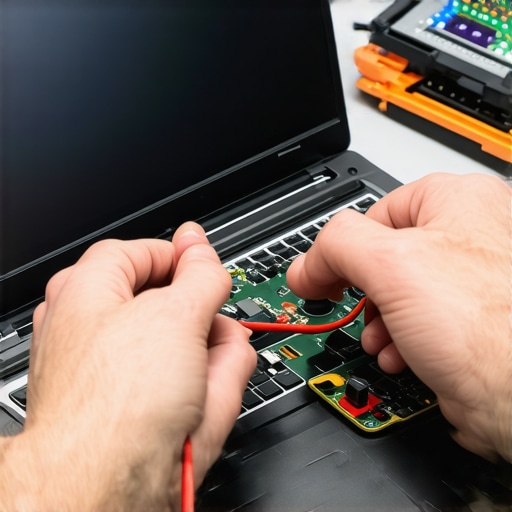
What I Wish I Knew About Fixing Hidden Laptop Mysteries
- Sometimes, the smallest anomalies hide the biggest problems—like a fan that only spins when plugged in can reveal deeper issues with sensors or power systems, often overlooked by casual users.
- Ignoring early warning signs can lead to costly hardware failures, but understanding these signals empowers you to troubleshoot effectively and extend your device’s lifespan.
- Tools like BIOS diagnostics or hardware monitoring software can become your best friends, revealing insights that are not always apparent through regular use.
- Proactive maintenance—such as cleaning dust, updating firmware, and reassessing system load—can turn potential failures into smooth operations, saving both time and money.
- Partnering with trusted resources and knowing when to seek professional help ensures that your troubleshooting efforts are both effective and safe, especially when hardware replacements are involved.
My Top Picks for Staying Ahead with Tech
- HWMonitor: An essential tool I use daily for real-time temperature and voltage readings, helping me catch overheating issues before they escalate.
- MemTest86: Reliable RAM testing software that detects memory faults early—crucial for preventing unpredictable system behavior.
- CrystalDiskInfo: my go-to for monitoring SSD/HDD health, allowing me to replace drives proactively and avoid data loss.
- ManageEngine Endpoint Central: For managing multiple devices efficiently, especially important when dealing with a fleet of business computers.
Your Next Step Towards Peace of Mind
Addressing laptop fan quirks or hardware concerns isn’t just about fixing issues — it’s about building confidence in your tech. Regular checkups, leveraging the right tools, and knowing when to rely on professionals ensure your devices serve you reliably for years to come. Remember, the key to long-term tech health is a proactive mindset—small maintenance today prevents major headaches tomorrow. What’s the first step you’ll take to improve your device upkeep? Share your plan below and let’s keep your tech running smoothly together.