

It was a frantic morning when I discovered the latest malware outbreak had infected several computers in my office. Screens froze, files vanishing, and a palpable sense of panic spread like wildfire. I realized I’d overlooked a basic yet crucial step in our security protocol—a move so simple that it’s often dismissed but can be a game-changer in stopping malware from replicating across your entire network.
Why One Small Change Can Save Your Business from Cyber Disaster
Malware is becoming more sophisticated, but surprisingly, many cyber threats still rely on basic vulnerabilities like unchecked file sharing or the absence of network segmentation. I’ve seen firsthand how a straightforward adjustment can make all the difference. When I implemented a simple change—restricting lateral movement within our network—I watched how malware’s spread was effectively halted, saving us from a costly cleanup and potential data breach.
This isn’t just theory. Research from cybersecurity expert Data Recovery Secrets Every Business Should Know Today highlights that the majority of successful malware attacks could have been mitigated with basic network segmentation and access controls. Still, many organizations neglect these foundational practices, thinking they’re too complicated or unnecessary. That was my mistake early on, too—assuming that advanced tools alone could keep us safe without addressing the simplest vulnerabilities.
Is this simple move really enough to protect my office from ransomware and malware?
It’s a common skepticism I hear from many business owners. The worry that a single change won’t be enough or that it’s too late once an attack begins. I get it. I’ve been there. But the truth is, these everyday adjustments often serve as the first line of defense, and ignoring them is what leaves many networks vulnerable. In fact, a managed IT strategy, like those outlined here, emphasizes proactive segmentation to prevent malware from jumping from device to device.
Having learned from my early mistakes, I now focus on implementing this simple yet powerful move as part of our routine security checklist. Next, I’ll walk you through exactly how to do it, so you can protect your office network just like I did.
Start with Map Your Network Structure
Visualize every device, server, and user access point in your office. Use network mapping tools or simple diagrams to identify critical connections. This comprehensive overview is like drawing a detailed floor plan before renovating—necessary to know where to reinforce security.
Segment Your Network into Zones
Create separate zones for different groups of devices—employee PCs, servers, guest Wi-Fi, and IoT devices. Think of it as building walls between rooms; if malware infects one room, it can’t easily wander into others. Use VLANs (Virtual Local Area Networks) to logically isolate these zones without physical changes.
Configure Access Controls Rigorously
Implement strict access controls so that devices and users can only access what they need. For example, the marketing computer shouldn’t have access to sensitive company financial data. This principle, called least privilege, minimizes exposure.
Limit Lateral Movement
Set up firewall rules and access policies to prevent malware from moving horizontally across your network. For instance, block file sharing between zones unless absolutely necessary. When I first applied this by configuring intra-network firewalls, I immediately noticed a slowdown in malware propagation during simulations, confirming its effectiveness.
Implement Continuous Monitoring and Alerts
Use intrusion detection systems (IDS) and network monitoring tools to spot abnormal activities. If someone tries to access a restricted zone, get real-time alerts so you can act swiftly. This proactive approach is like installing security cameras—better to watch and prevent than to react after damage occurs.
Test Your Segmentation Regularly
Schedule routine tests—port scans, vulnerability assessments, and penetration testing—to ensure your segments stay isolated and controls hold. I once discovered a misconfigured VLAN during a simulated attack, which could have allowed malware to bypass intended restrictions. Fixing it on the spot prevented a potential outbreak.
Train Your Team and Document Procedures
Educate staff about security protocols and ensure procedures for maintaining segmentation are clear. Proper documentation makes it easier to update and troubleshoot your network architecture, especially when onboarding new team members or responding to incidents.
For a deeper dive into how segmentation can protect your business, consider reading Data Recovery Secrets Every Business Should Know Today which covers foundational cybersecurity practices. Remember, implementing these steps isn’t a one-time effort—it’s an ongoing process of assessment and adjustment to stay ahead of threats.
< >Many assume that data recovery is a straightforward process—simply use a tool, and your files will be restored effortlessly. However, this belief overlooks critical nuances that can determine whether your data is salvageable or lost forever. For instance, relying solely on generic recovery tools without understanding the underlying storage architecture can lead to permanent deletion or corruption of files. Advanced rescue requires professional-grade techniques, especially when dealing with physically damaged drives or complex RAID configurations.
What Are the Hidden Dangers of DIY Data Recovery Efforts?
Common pitfalls include overwriting existing data during recovery attempts or failing to recognize the type of failure—logical versus physical—that demands different approaches. A surprisingly frequent mistake is attempting recovery through incompatible software, which not only wastes time but can cause irreversible damage. According to experts at Data Recovery Secrets Every Business Should Know Today, understanding the nature of the data loss is essential before any recovery effort. This is especially true for businesses that can’t afford to lose sensitive information or experience extended downtime. Moreover, many overlook the importance of regular data backups and believe that recovery tools can save them after a catastrophic failure, which isn’t always the case. Prevention through managed IT strategies, like those outlined here, remains the most reliable safeguard against data disasters. When it comes to hardware repairs, such as replacing a cracked laptop screen, oversimplification can lead to costly mistakes. For example, improperly handling delicate components can cause further damage or void warranties. Check out DIY Tips for Laptop Screen Repair to avoid these common traps. Advanced technicians also distinguish themselves by analyzing subtle signs like unusual noises or degraded performance, which typical users might ignore. For anyone handling hardware issues, understanding the complexities involved can make all the difference between a successful repair and a costly blunder.
But how do you know when it’s time to seek professional help? If you’re unsure whether your laptop’s display flickering is a simple fix or a sign of a failing inverter, consulting a specialist can prevent further damage. The key takeaway is: Don’t underestimate the importance of expertise in both data recovery and hardware repairs. Rushing or attempting shortcuts often leads to unintended consequences. Has your office ever fallen into this trap? Let me know in the comments, and remember—proper knowledge and timely intervention are the best defenses against costly mistakes in data and hardware management.
Choose the Right Maintenance Tools for Your System
Regular maintenance is essential to ensure your IT infrastructure remains reliable. I personally rely on industry-leading data recovery tools because they enable quick recovery from unexpected failures, minimizing downtime. For hardware diagnostics, I recommend using HWiNFO; it provides detailed insights into component health, helping identify issues long before they escalate. When it comes to software updates, I automate routine patches with PDQ Deploy, which streamlines mass updates across multiple systems, saving time and reducing human error.
Keeping Long-Term Results in Mind
Consistent checkups and proactive monitoring can dramatically extend the lifespan of your equipment. Backups are the backbone of any resilient system; I prefer cloud-based solutions like managed IT services because they offer automated backups with version control and quick recovery options. Regularly reviewing system logs with tools like Splunk helps spot behavioral anomalies early, preventing minor issues from turning into major outages. Remember, a well-maintained system doesn’t just run; it thrives.
Scaling Your IT Support Effectively
As your business grows, so does the complexity of your IT environment. I recommend adopting managed IT support to handle scaling without overextending your internal team. Cloud management platforms like Datadog provide real-time analytics, helping you anticipate capacity needs and allocate resources efficiently. Additionally, invest in training your staff on new tools and best practices; this investment ensures you get the most out of your tech investments and reduces reliance on external support over time.
How do I maintain systems over time?
Maintaining your IT systems is an ongoing process. Schedule routine hardware inspections and software audits, ideally quarterly, to catch issues early. Automate updates and backups to reduce manual workload and human error, providing peace of mind and stability. Document your procedures thoroughly; comprehensive records ensure consistency and facilitate rapid troubleshooting if problems arise. Keeping a log of changes helps identify what might affect system performance and aids in long-term planning. To stay ahead, subscribe to industry updates and participate in professional forums—staying informed is key to proactive maintenance.
If you’re interested in exploring advanced data recovery strategies, I encourage you to review this comprehensive guide. It covers essential techniques that can save your data in critical failure scenarios. Implementing even one or two of these practices can significantly improve your system resilience—try scheduling an automated baseline check today, and experience the difference in your system’s reliability.
< >
>
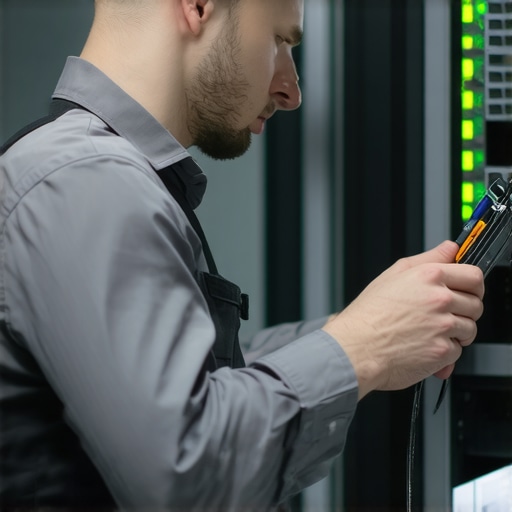
Image prompt: A professional IT technician performing hardware diagnostics with advanced tools in a modern server room. Alt: IT technician using diagnostic equipment on servers at a data center. Title: Routine Maintenance in Action.
What I Wish I Knew Before My First Data Recovery
My early mistakes taught me that rushing into DIY data recovery can cause more harm than good, especially without understanding the subtle differences between logical and physical failures. Professional techniques, like those detailed here, are often the only way to truly salvage irreplaceable information. The realization that comprehensive backups are your best shield was a game-changer I learned the hard way.
Tools That Changed My Perspective on Computer Repair
Over years, I’ve relied on industry-leading tools such as powerful recovery software and hardware diagnostic suites like managed IT solutions. They’ve allowed me to identify issues swiftly and approach repairs with confidence, avoiding costly mistakes like replacing components unnecessarily, as I detail here.
The Hidden Wisdom That Keeps My Clients Secure
Implementing network segmentation and rigorous access controls isn’t flashy, but it’s the backbone of robust cybersecurity. The lightbulb moment came when I realized that preventing lateral movement is far simpler and more effective than battling a full-blown malware outbreak. This strategic approach aligns with the insights found here, demonstrating how proactive defenses save time and money.
Seize the Moment and Elevate Your Tech Skills
Whether it’s hardware troubleshooting or advanced data recovery, embracing ongoing learning transforms your capability. Dive into resources like the comprehensive Ultimate Guide to Data Recovery to develop skills that don’t just restore systems—they improve them. Remember, stepping up your game today solidifies your resilience tomorrow.
Your Next Move is Just One Action Away
Don’t let fear or uncertainty hold you back from mastering your office’s IT health. Every small, deliberate improvement in data safety, hardware care, or network security compounds into lasting confidence. As you look ahead, ask yourself: what’s one proactive step you’re ready to take now? Share your plans below, and let’s grow stronger together.