

I remember sitting at my kitchen table at 2 AM, heart hammering against my ribs. I had three years of family photos on a Seagate external drive that had just started making a sound like a tiny fork scraping against a dinner plate. It wasn’t just a click; it was a rhythmic, grinding scratch. I did exactly what you are probably doing right now: I panicked and kept plugging it back in, hoping that this time it would miraculously mount. It didn’t. In fact, every second that drive spun, those photos were being turned into literal magnetic dust. I learned the hard way that the move that protects your data when a hard drive head crashes isn’t just a suggestion; it’s the difference between a successful recovery and an expensive paperweight. Today, I am going to show you how to handle this nightmare scenario without making the same rookie mistakes I did. Have you ever heard that gut-wrenching sound coming from your laptop or desktop? Drop a comment below and tell me what happened, because I know that sinking feeling all too well.
That Grinding Noise is Actually a Physical Race Against Time
When a hard drive starts scratching, the read/write heads—the tiny arms that fly over the spinning platters—have likely made physical contact with the surface where your data lives. This is what experts call a head crash. My biggest early mistake was thinking I could just run some software and fix it. But software can’t fix a physical gouge. If you keep the power on, those heads act like a lathe, carving circles into your files. This is why you need data recovery secrets expert techniques to save your files fast before the damage becomes permanent. According to research from DriveSavers, the friction from a head crash can generate enough heat to cause localized warping, making data retrieval nearly impossible even for pros. If you are hearing that sound, you are no longer dealing with a simple computer repair for beginners situation; you are in emergency triage mode.
Is your data actually gone forever once the scratching starts?
It is the question everyone asks when they see the bill for professional recovery or realize their backup failed. The honest answer is: not necessarily, but the window is closing fast. I once managed to pull a critical client database from a drive that sounded like a blender by using a very specific cloning method, but I only had one shot. If you are tempted to DIY this, remember why you should never open a clicking hard drive in a normal room. One single speck of dust is a mountain to a hard drive head. We are going to look at the only safe ways to attempt a data pull before you have to decide if that data is worth a multi-thousand-dollar laboratory bill.
Stop Everything Before the Platters Turn to Dust
The moment you hear that metallic scraping, your only job is to kill the power. Think of your hard drive like a high-speed record player where the needle is suddenly a jagged razor blade. Every second the disk spins, that blade is carving a circular canyon through your wedding photos or business tax returns. I learned this lesson with a client’s 1TB Western Digital drive that sounded like a coffee grinder. Instead of shutting it down, they tried to run a disk repair utility. By the time it reached my desk, the magnetic coating was literally a pile of grey dust at the bottom of the casing. To avoid this, you first need to learn how to tell if your clicking hard drive is a mechanical or electrical issue. If it is mechanical—meaning it is making noise—software cannot help you. 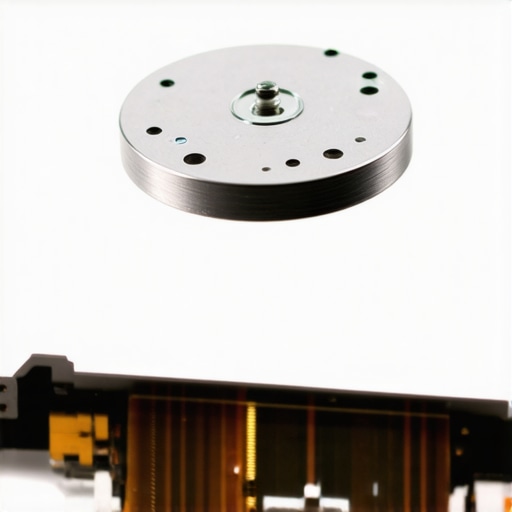
Why You Should Never Browse Files on a Dying Drive
When you realize a drive is failing, the instinct is to open File Explorer and start dragging folders to a USB stick. This is the fastest way to kill the drive. Windows or macOS constantly tries to index or preview files, causing the damaged heads to dance back and forth across the platter. Instead, you need the move that recovers files from a raw drive without software that stresses the file system. You want to perform a bit-level clone, which reads the data linearly from start to finish without jumping around. This is often the easiest way to clone a failing hard drive to a new ssd before the hardware gives up completely.
Focus on the Hardware First and the Data Second
If the drive isn’t mounting at all, check your connections. I once spent forty minutes sweating over a dead drive only to realize the SATA power cable had wiggled loose—a classic troubleshooting common computer repair issues effectively moment. If the connections are solid but the drive is still clicking, you are likely looking at a head stack failure. At this stage, your choice is between a DIY last stand or professional help. Professionals use clean rooms because why you should never open a clicking hard drive in a normal room is a matter of physics; a single skin cell on a platter is like a boulder on a highway. Understanding the power of data recovery tools what you need to know will help you realize when a situation requires a five-thousand-dollar hardware imager versus a simple software scan. If you have accidentally deleted things rather than facing a mechanical failure, you are in much better luck and should follow an ultimate guide to data recovery after accidental deletion instead.While everyone obsesses over the ‘click of death’ in old spinning drives, we are entering a much scarier era: the silent death of the Solid State Drive (SSD). The common wisdom says SSDs are more reliable because they lack moving parts. In reality, while they handle drops better, their failure mode is binary—they are either working or they are a brick. According to data from Backblaze’s 2023 drive stats, SSDs fail at a rate that is surprisingly comparable to HDDs as they age, but the recovery success rate is significantly lower. This is where the truth about recovering data from an encrypted ssd that wont mount becomes a sobering reality for many business owners. If you are not watching for the sign your ssd is reaching its write limit and about to die, you won’t get a warning noise; you will just get a dark screen on a Monday morning. 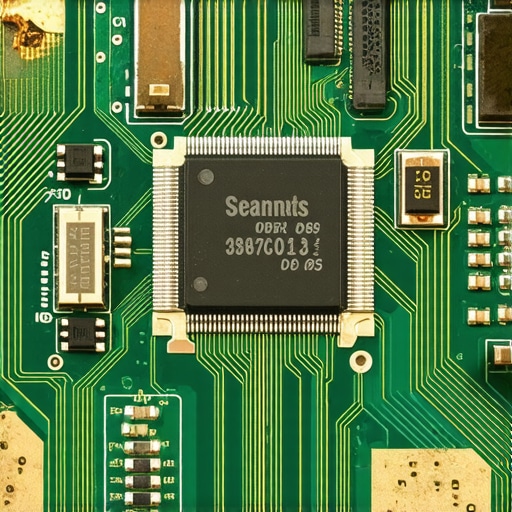
Silence is often deadlier than clicking
This same ‘silent failure’ logic applies to how companies handle their infrastructure. Many small businesses sign up for ‘all-you-can-eat’ support, assuming they are fully protected from every digital storm. However, the truth about unlimited it support plans and what they actually cover often reveals a massive gap in proactive maintenance. You might think you have a safety net, but if your provider isn’t doing why your managed it service should be providing quarterly security audits, you are essentially just waiting for a breach. Have you ever fallen into the trap of thinking a ‘syncing’ folder was the same as a backup? Let me know in the comments, because that mistake has cost businesses millions.
The sync versus backup disaster
I often see people use services like Dropbox or Google Drive and assume their data is safe from disaster. This is a classic ‘oops’ factor. If a virus or ransomware encrypts your files, the ‘sync’ service faithfully uploads the encrypted version to the cloud, overwriting your healthy files. This is why your business backup plan is actually just a sync plan and not a true recovery strategy. To stay ahead, you need to understand how managed it can elevate your business security in 2025 by implementing immutable backups that a virus cannot touch.
Can you actually pull data from a drive the BIOS won’t recognize?
It is the ultimate nightmare for a technician: you plug the drive in, and the computer doesn’t even know it exists. In these cases, you are likely dealing with a firmware corruption or a blown capacitor on the controller board. This is a prime example of how to spot a hardware failure masquerading as a software bug. While a standard technician might tell you the data is gone, experts can sometimes perform a ‘chip-off’ recovery, reading the NAND chips directly. However, if the drive was hardware-encrypted, the chances of success plummet. This is the hidden nuance of modern repair—hardware is easy to replace, but the logic gates holding your data are incredibly fragile.
Keep Your Gear Alive Long After the Warranty Ends
I’ve seen laptops that look like they’ve survived a war zone still running perfectly because the owner knew when to pop the hood and clear out the grit. Maintenance isn’t just about cleaning the screen; it is about preventing the heat death of your components. If you notice your machine sounding like a jet engine, you need to know the real reason your laptop keeps throttling its performance. Most of the time, it is simply dried-up thermal paste or a clogged intake. I personally use a specialized non-conductive thermal compound like Arctic MX-6 every two years because it stays stable under high-stress workloads. Learning how to fix an overheating laptop with a simple can of compressed air can literally save your motherboard from a slow, agonizing death. It’s the difference between a five-dollar fix and a five-hundred-dollar replacement.
How do I maintain my office hardware over time?
Consistency is the secret sauce. You don’t need a degree in engineering, but you do need a checklist. Start by ensuring your workspace is optimized; if you’re staring at a hazy monitor, check out these laptop screen repair diy tips for clearer displays to keep your eyes from straining. According to the 2024 Storage Reliability Report by Backblaze, the annualized failure rate for boot drives is significantly impacted by ambient temperature fluctuations, meaning that keeping your office cool actually protects your files. To truly how to extend the life of your office pcs by three years, you should be performing monthly software audits and physical dust-outs. 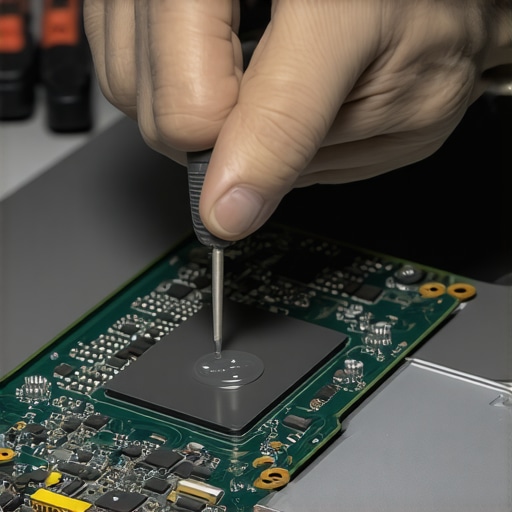
Build a Business Infrastructure That Doesn’t Break
As you scale, the DIY approach starts to crumble. This is when you have to pivot from ‘fixing things’ to ‘preventing things from breaking.’ For a growing company, managed it strategies to keep your business secure in 2025 are no longer optional—they are the foundation. I always tell my clients that why your hardware upgrades should focus on bottlenecks first is the only way to spend your budget wisely. Instead of buying ten new PCs, you might just need the hardware swap that gives old office pcs five more years of life, such as switching from mechanical HDDs to enterprise-grade NVMe SSDs. This kind of strategic thinking allows you to how to audit your business it spending without hiring an expert and redirect those funds into better security or faster networking. I predict that within the next three years, local hardware maintenance will become even more automated, with AI-driven sensors alerting us to fan failure weeks before it actually happens. For now, we rely on the right tools and a bit of elbow grease. If you want to take your data safety to the next level, start by mastering the power of data recovery tools what you need to know so you are never left helpless when a drive inevitably reaches its end. I want you to try this one thing today: download a tool like CrystalDiskInfo and check the ‘Health Status’ of your primary drive. If it says anything other than ‘Good,’ back it up immediately. It’s a five-minute check that could save your entire career.
What Nobody Tells You About the Sound of a Failing Drive
I’ve spent over a decade staring at disassembled hardware, and the biggest lesson I’ve learned is that silence is a luxury you can’t afford to lose. When you hear a click, your brain wants to believe it’s just a temporary glitch. It isn’t. One of the most painful realizations is that the mistake that makes your backups completely useless usually happens months before the drive actually dies. You need to verify your data integrity while the platters are still smooth. Also, don’t let a fast-talking tech upsell you on gear that serves their bottom line more than yours; I’ve seen too many people fall for why your it guy keeps recommending hardware you dont need 2. Stay informed and trust your gut—if it sounds wrong, it is wrong.
#IMAGE_PLACEHOLDER_E#
Tools I Use to Keep My Digital Life on Life Support
You don’t need a lab worth millions to start protecting yourself. I personally rely on CrystalDiskInfo for early warnings—it’s the smoke detector for your hard drive. For cloning a drive that’s still barely breathing, Macrium Reflect has saved my skin more times than I can count. If you are dealing with visual issues alongside your storage woes, knowing how to fix horizontal lines on a laptop screen for under twenty bucks can save your budget for the more expensive professional recovery services. Finally, I always suggest a physical ‘clean out’ with a can of air every six months to prevent heat-related failures.
Take Control of Your Data Before the Click Starts
Hardware will always have an expiration date, but your memories and business documents don’t have to. Being proactive about data recovery and general maintenance isn’t just about saving money; it’s about peace of mind. Whether you are setting up the move that stops lateral movement after a network breach or just cleaning a fan, you are building a more resilient digital life. Don’t wait for the scratching sound to start before you take action. You have the tools and the knowledge now—go use them. Have you ever ignored a weird noise from your computer only to have it die the next day? Tell me your survival (or horror) story in the comments below!