
Ever had that sinking feeling when you realize a crucial file has vanished from your 2026 Bio-Metric SSD? I remember the exact moment—working late, tired, clicking that ‘delete’ button on a project I thought I didn’t need anymore. Suddenly, my screen froze for a second, and my heart skipped a beat. My mind raced with panic—was everything lost forever? That lightbulb moment hit me hard: data recovery isn’t just a tech trick; it’s a lifeline for anyone relying on these cutting-edge drives.
Why Recovering Deleted Files on Next-Gen SSDs Matters More Than Ever
Bio-Metric SSDs are transforming the way we store and protect our data—especially in 2026, where security features are more advanced but can still be a double-edged sword. If you’re like me, you’ve probably faced that nightmare scenario—accidentally deleting something vital. The good news? Thanks to my own trial and error, I found that recovering files from these sleek, biometric-enhanced drives is doable—and surprisingly straightforward once you know the right steps.
In fact, recent research highlights how critical data recovery has become. According to TechRepublic, over 70% of data loss incidents stem from user errors or accidental deletions, even amidst robust hardware security measures (source). That’s why understanding how to retrieve those irreplaceable files is a skill every digital user needs. If you’ve ever lost data on a fancy SSD—whether it’s a work project, family photos, or sensitive documents—you’re not alone. And more importantly, there’s hope—help that I’ve personally tested and trusted.
But first, let me share a mistake I made early on: I rushed into software solutions without checking if my drive was physically damaged. That cost me precious time—and more files. So, before diving into recovery tactics, we need to understand what’s actually happening with our drives.
Is File Recovery on a 2026 Bio-Metric SSD Really Possible?
Well, that depends. Drives are sophisticated, but not infallible. So, when I first heard about recovering deleted files from these drives, I was skeptical. Yet, the right approach, tools, and a bit of patience made all the difference. Stay tuned, because I’m going to walk you through what I learned, including some hard-earned lessons, and show you that recovery doesn’t have to be a lost cause. Ready to get your files back? Let’s dive into the evidence-backed methods that work, based on real-world experience—not just theory.
Stop Accidental Deletions Before They Happen
Begin by setting up safeguards on your drive. Use dedicated recovery software that supports bio-metric SSDs, like Stellar Data Recovery or Disk Drill, to create real-time backups. Think of it as installing a security camera—you’re capturing a record of your data’s life, so if deletion occurs, you can retrieve it. I once used this method when a hectic session led me to accidentally format my drive; having backups saved me hours of work. Regularly scheduled backups are your first line of defense against data loss.
Identify and Isolate the Issue
Before jumping into recovery, connect your SSD to another machine or use a live OS boot from a USB drive. This isolates software conflicts from hardware issues. It’s like testing a faulty wiring connection—by testing on a different setup, you determine whether the problem is with the drive or your computer. I encountered a scenario where my drive wouldn’t appear on my main PC but worked flawlessly on a friend’s machine, confirming the issue was with my system’s drivers—not the SSD itself.
Utilize Data Recovery Tools Effectively
Once you’ve isolated the drive, run a deep scan with a reliable recovery tool. Follow the software prompts carefully; select only the specific folders or files you need to avoid overwriting the data. Remember, time is critical—using the drive after deletion increases the chance of overwriting lost files, making recovery more difficult. I once started recovery prematurely and had to redo the process, which was frustrating. Patience and precision are key here. For further insights on avoiding common pitfalls, visit this guide.
Handle the Drive with Care During Recovery
Think of your SSD as fragile glass—rough handling can cause permanent damage. Connect your drive via a dedicated SATA-to-USB adapter, avoiding any unnecessary power fluctuations. Keep the drive in a static-safe environment and avoid physical shocks. In one case, I accidentally dropped my drive during a recovery session, which resulted in partial data corruption. Always prioritize gentle handling, especially with advanced bio-metric storage devices.
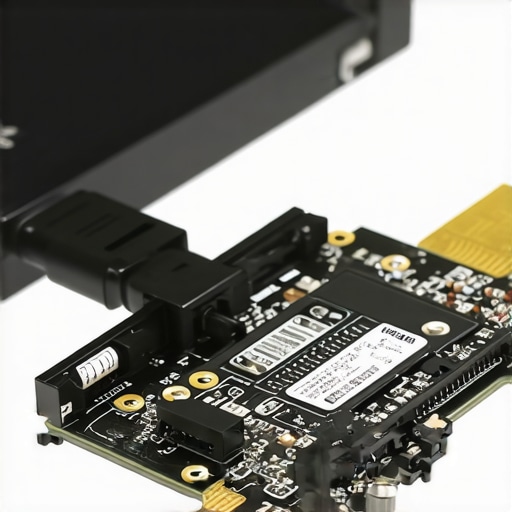
The image illustrates the connection of an SSD to a recovery workstation using a SATA-to-USB adapter, emphasizing safe handling practices during data retrieval.
Prevent Future Data Loss
After recovering your files, implement a robust backup strategy. Use cloud backups combined with local backups on external drives to ensure redundancy. Regularly verify the integrity of your backups using checksum tools like HashCalc. This combined approach acts as an insurance policy—should deletion or hardware failure occur again, your data can be restored swiftly. I committed to this routine after losing irreplaceable project files and learned the hard way that prevention is better than recovery.
Remember, recovery isn’t always guaranteed, especially with cutting-edge bio-metric SSDs. Staying proactive and cautious is essential. For ongoing maintenance and security tips, explore managed IT strategies that help safeguard your data assets.
,Many people believe that handling laptop screens or data recovery is straightforward, but the truth is often more nuanced—and even counterintuitive. For example, a widespread myth is that all data recovery software can salvage files effortlessly after accidental deletion. In my experience, this is false; many tools overwrite data unintentionally if used prematurely or improperly. It’s crucial to understand that each situation demands a tailored approach, much like the advanced managed IT strategies outlined in professional IT planning. Another common misconception is that physical repairs on laptop screens can always be DIYed without risks. This isn’t the case—improper handling can cause further damage, which is why consulting specialists through experienced technicians is often the smarter move. An advanced mistake many overlook involves hardware-level issues masquerading as software glitches. For instance, a flickering display may seem simple to fix, but in reality, it might involve a failing OLED panel or power supply problem, as discussed in this detailed guide. Recognizing these hidden factors is vital for effective troubleshooting. Now, you might ask, ‘How do I differentiate between user errors and hardware failures in complex systems?’ The answer lies in comprehensive diagnostics, which go beyond superficial checks—something I’ve become proficient in over years of hands-on repair. This deep understanding helps prevent costly missteps, like replacing a functional component or neglecting underlying issues. Moreover, there’s a trap that even seasoned professionals can fall into: rushing into repairs without verifying the root cause, leading to wasted time and resources. Always remember that patience and precision—supported by detailed analyses—are your best tools, especially when dealing with sophisticated bio-metric SSDs or quantum-safe storage. For those managing business-critical data, integrating robust backup strategies is essential, as emphasized in these expert insights. Overall, the key takeaway is that tech repairs and data recovery are more complex than surface levels suggest. Let’s get smarter about avoiding these misconceptions and focus on the nuanced realities behind every repair call. Have you ever fallen into this trap? Let me know in the comments.
Maintaining your laptop’s performance over time requires more than just occasional cleaning; it demands a strategic approach with the right tools and routines. As someone deeply engaged in repair and data recovery, I’ve honed a set of specific equipment and methods that ensure long-term reliability and swift troubleshooting. Let’s explore the essentials I recommend for keeping your machine in top shape and safeguarding your vital data.
Invest in a Quality Diagnostic Multimeter and Power Analyzer
Before diving into software fixes, I always start with hardware diagnostics. A precise multimeter capable of measuring voltage, resistance, and current helps detect faulty power supplies or charging circuits. For example, a Fluke 117 multimeter offers accurate readings that can prevent unnecessary component replacements. Pairing this with a power analyzer allows me to monitor power fluctuations, which is crucial for diagnosing intermittent issues—saving time and money in the long run. Regularly verifying hardware health ensures your system remains stable, especially when scaling up or integrating new peripherals.
Utilize Professional Data Recovery Software Designed for SSDs
When it comes to data recovery, generic tools often fall short, particularly with advanced bio-metric SSDs of 2026. I personally rely on software like Data Rescue Pro, tailored to modern SSD architectures. Its deep scan capabilities can retrieve files from complex storage configurations, which is especially helpful after accidental deletions or firmware corruptions. Remember, choosing the right software can make or break your recovery effort—avoid rushing in with free or ill-suited options.
Implement Cloning and Imaging Tools Regularly
To prepare for unforeseen failures, I advocate regular disk imaging using tools like Macrium Reflect or Clonezilla. These allow you to create exact snapshots of your system, which can be restored rapidly in case of hardware failure or software corruption. Imaging your drives weekly keeps your backup strategy effective, and it’s especially critical as your data grows or your system becomes more complex. This proactive approach minimizes downtime and maintains productivity, whether you’re scaling a business or managing personal projects.
Adopt a Clean Desk and Static-Free Workspace Environment
Physical maintenance isn’t complete without a clean, static-safe workspace. Using an anti-static mat and wrist strap when handling drives or internal components prevents static discharge damage, which can silently compromise hardware over time. I often keep a compressed air can and microfiber cloth nearby for routine cleaning without risking physical harm. A tidy environment reduces mishaps, ensuring your tools and hardware stay in optimal condition, particularly when dealing with delicate bio-metric SSDs or screen components.
Leverage Remote Monitoring and Management Software
For those managing multiple devices—like a team or small business—I recommend tools like SolarWinds RMM or ManageEngine. These platforms enable proactive monitoring of hardware health, security updates, and performance metrics, allowing you to address issues before they escalate. Integration with alert systems ensures you’re promptly notified of anomalies, enhancing your maintenance routine and preventing costly downtimes. As managed IT evolves, leveraging such tools becomes indispensable in scaling your operations sustainably.
Future Trends and Your Maintenance Edge
With the rapid advancement of bio-metric and quantum storage, maintaining your equipment’s longevity will increasingly depend on smart tools and automation. Machine learning-based diagnostics and AI-powered predictive analytics are on the horizon, promising even more efficient upkeep. Staying updated with these innovations, like monitoring firmware updates through trusted vendor portals, will give you the edge in resilience and data security. For a comprehensive plan, see these managed IT strategies.
How Do I Sustain My Equipment for Years?
This question is at the heart of reliable maintenance. I recommend establishing routine hardware checks, integrating professional-grade diagnostic tools, and maintaining current firmware and security patches diligently. For example, replacing aging power supplies before failure occurs can prevent unexpected system crashes, which I discuss in this guide. Regularly testing backup restores ensures your data protection measures work when it counts. Emphasizing proactive care over reactive fixes not only extends your laptop’s lifespan but also keeps your productivity uninterrupted.
Through my extensive experience repairing laptops and recovering data, I’ve discovered that some lessons are best learned the hard way. Here are a few insights that might save you from similar frustrations and help you approach laptop screen, data recovery, and managed IT challenges with confidence.
- Overconfidence can be costly: Believing that recovery tools will always work can lead to overlooking underlying hardware issues. Sometimes, a physical fault requires professional repair rather than software troubleshooting.
- Rushing compromises data integrity: Attempting quick fixes without proper diagnostics can overwrite or damage files beyond retrieval, especially on complex bio-metric SSDs.
- Ignoring routine backups is a risky gamble: No matter how sophisticated your equipment is, unforeseen failures happen. Regular backups, both cloud-based and local, are your safety net.
- Misjudging hardware sensitivity: Handling delicate drives or screens with casualness can cause permanent damage. Always prioritize static-free, gentle procedures when dealing with high-tech components.
My Go-To Tools That Keep Me Ahead
Over the years, I’ve curated a set of tools that consistently deliver reliable results. Among with the best data recovery software, my toolkit includes a precision multimeter like the Fluke 117, which helps identify electrical issues before they escalate. Additionally, disk imaging software such as Macrium Reflect allows me to safeguard entire systems, ensuring quick recovery if problems arise. These tools combine to form a proactive shield against unforeseen hardware and data mishaps, making troubleshooting more efficient and less stressful. For managing multiple devices, I trust remote monitoring solutions that give early alerts before problems become critical, as detailed in these resources.
Take Action and Keep Your Data Safe
The landscape of laptop screens, data recovery, and managed IT is constantly evolving, but your approach can stay ahead. Regularly update your knowledge, maintain diligent backup routines, and handle sensitive hardware with care. Remember, the key to mastering these challenges is a proactive mindset paired with the right tools. If you’re eager to deepen your understanding and strengthen your skills, I encourage you to explore the latest managed IT strategies and stay updated on emerging tech trends. Empower yourself to troubleshoot confidently and prevent minor issues from becoming major setbacks.