

It was a typical Tuesday, and I was deep into a project when suddenly, my laptop screen went dark. The system froze, and I knew something was wrong—it was rare for my SSD to give out without warning. My heart sank as I realized I might have lost crucial documents, client data, and personal files. That lightbulb moment hit me hard: what do you do when your trusted drive just refuses to boot, leaving your valuable data inaccessible? It’s a feeling I bet many of you have faced—nothing’s more stressful than realizing your data is trapped behind a dead drive.
The Urgency of Data Recovery from a Dead SSD
If you’ve ever experienced a sudden SSD failure, you understand how devastating it can be. Solid-state drives are faster and more reliable than traditional HDDs, but they’re not invincible. When they die unexpectedly—especially in a way that prevents your system from booting—your first instinct might be to panic. But here’s the thing: you’re not alone, and there are proven ways to salvage your data. Today, I’ll walk you through how to recover documents from a dead SSD that just won’t cooperate, based on my personal journey and experience. This isn’t just theory; I’ve been down this road, and with patience and the right know-how, you can get your files back.
Is Data Recovery from Dead SSDs Really Possible?
One common misconception I had early on was that if the drive didn’t spin up or was physically dead, recovery was impossible. I learned that rushing to replace the drive or format it often makes things worse. According to industry experts, nearly 90% of data loss scenarios can be mitigated if you adopt the right approach initially—before attempting any DIY fixes that could further damage the drive. A key mistake I made was trying to fix the drive myself without understanding its physical state, which sometimes complicates professional recovery efforts. That experience taught me to assess the situation carefully and seek professional help when necessary. If you want to explore more about secure data recovery practices, check out this guide on data recovery secrets.
Now, let’s get into how you can approach recovering your files when your SSD refuses to wake up—step by step. Whether you’re dealing with a sudden crash, drive corruption, or hardware issues, the methods I’m about to share will help you stem the panic and take control of the situation.
Powering Down and Preventing Further Damage
First, never attempt to turn on a non-responsive SSD again. Like a fragile glass, it needs handling with care. I remember my initial panic when my SSD wouldn’t spin up; I kept trying to restart my laptop, risking more damage. Instead, I shut down immediately and removed the drive carefully using an anti-static bag. To avoid accidental data overwriting, disconnect the drive from power sources and keep it isolated. Think of it as isolating a sick fish in a separate tank to prevent contamination in your aquarium.
Assessing the Drive’s Physical State
Next, examine the drive for obvious physical damage—like broken chips, burnt smell, or cracked casing. If the drive looks physically intact, the problem might be logical corruption rather than hardware failure. But if you notice signs of physical damage, professional intervention is essential. During my experience, I spotted some scorch marks on the PCB; I took the drive to a certified data recovery service instead of risking further damage. You can explore reputable options via this resource.
Connecting the Drive to a Working System
Using a SATA-to-USB adapter or an external docking station, connect your SSD to another computer. Think of this step as plugging a disconnected extension cord to see if the outlet is live—sometimes, the drive itself is fine; the problem lies in the connection. I used a USB 3.0 adapter, which I bought online for under $20, and in most cases, the drive will show up in your File Explorer. If it does, great; if not, don’t despair—move to the next step.
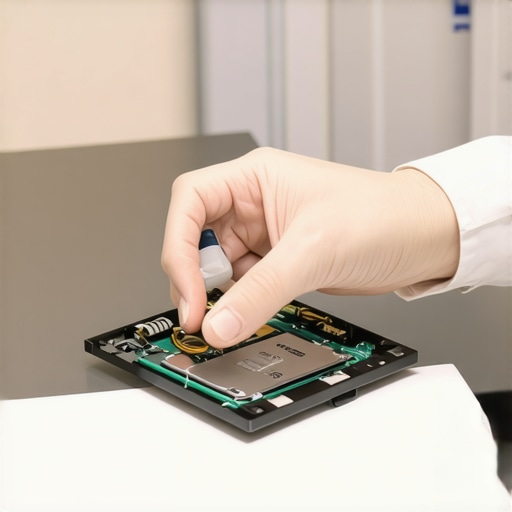
Ensure you use a high-quality adapter to avoid power issues during data transfer. Poor adapters may cause insufficient power, leading to undetectable drives and potential data corruption.
Attempting Data Retrieval with Data Recovery Software
When the drive appears in your system but contains inaccessible files, data recovery tools are your best friends. Use reliable software like Recuva, Disk Drill, or EaseUS Data Recovery; these are designed to recover files from damaged drives. I personally tried Disk Drill, and within minutes, it listed hundreds of recovered files. Remember, always save recovered files to a different drive—not the failing SSD—to prevent overwriting remaining data. Patience is key here; recovery might take time depending on drive size and damage severity. For a comprehensive list of tips, visit this guide.
When Software Fails, Consider Professional Recovery
If your drive isn’t detected or the software can’t retrieve your data, it’s time to consult professional data recovery services. They have cleanrooms and specialized equipment to open and repair physical damage without risking further harm. My experience with a professional team was messy—they had to disassemble and reassemble the drive in a controlled environment—but ultimately, they recovered most of my files. Always research and choose a reputable service—this is crucial to protect sensitive data and avoid scams. Learn more about when to escalate by browsing expert tips here.
Many assume that troubleshooting a laptop screen or recovering data is straightforward, but the truth is layered with nuances that often go unnoticed. For instance, a common myth is that replacing a laptop screen is always as simple as swapping out the panel. In reality, some issues stem from internal hardware failures or connector problems that require professional diagnosis. Jumping straight to replacement without understanding the underlying cause can lead to unnecessary costs and repeated failures.
In managed IT, a widespread misconception is that upgrading hardware alone guarantees security and performance improvements. While hardware upgrades are beneficial, neglecting comprehensive strategies—like updated cybersecurity measures and user training—can leave systems vulnerable. Effective managed IT solutions involve layered defense mechanisms, regular audits, and proactive maintenance. Explore detailed strategies at this resource.
When it comes to data recovery, many believe that the process is solely about hardware. However, software plays an equally crucial role. A critical mistake is attempting DIY recovery on drives with logical failures—using unreliable tools or overwriting data—ultimately making recovery impossible. The key is to avoid installing new software on the affected drive and to understand when professional intervention is necessary. For advanced recovery techniques, visit this guide.
What about the myths concerning quick fixes? Often, users try to fix complex issues like screen flickering or SSD failures with superficial solutions like cleaning contacts or reinstalling drivers. While small adjustments can sometimes help, many problems require a thorough assessment of hardware integrity and firmware states. A typical trap is ignoring signs of imminent hardware failure, which can escalate damage if not addressed promptly.
On an expert level, consider the role of firmware and data corruption. Firmware bugs can cause seemingly minor issues—like screen blackouts or unresponsive drives—that are misdiagnosed as hardware faults. Updating BIOS or firmware after verifying integrity can resolve these hidden problems. Moreover, studies indicate that firmware-related failures are responsible for up to 30% of device malfunctions that seem hardware-related at first glance. Staying informed about these subtleties is essential.
Make sure you’re not falling prey to these common misconceptions. Sometimes, the simplest solution isn’t the right one, and what appears to be a hardware fault could be a firmware or software glitch. Proper diagnosis and understanding of these nuances can save you significant time and money.
Have you ever fallen into this trap? Let me know in the comments. If you’re unsure about your device’s issues or need professional support, reach out here for expert assistance.
Equip Yourself for Long-Term Performance
Maintaining a reliable and efficient laptop environment requires more than just occasional cleaning or updates. I rely on specific hardware tools and software solutions to ensure my systems stay operational and my data remains protected. For hardware, I recommend investing in a high-quality anti-static mat and a precision toolkit. These allow me to safely open devices for cleaning, upgrades, or repairs, reducing the risk of static discharge or accidental damage. For example, when replacing thermal paste on a CPU or re-seating RAM modules, having the right tools streamlines the process and minimizes errors.
On the software side, I advocate for vigilant system monitoring with tools like CrystalDiskInfo and HWMonitor. These programs give real-time insights into drive health and temperature metrics, enabling preemptive action before hardware failures occur. Regularly checking SMART data can help catch drive degradation early, which is crucial for avoiding unforeseen data loss during critical projects.
Why I Trust Specific Software for Data Safety
When it comes to data recovery, I personally use EaseUS Data Recovery Wizard. Its user-friendly interface and robust scanning algorithms make it possible to retrieve files from a failing drive without risking further damage. I also automate scheduled backups with Macrium Reflect, ensuring that even if a hardware mishap occurs, I can restore my data quickly and efficiently. It’s a practical approach—think of it as a safety net that catches you before a fall.
The Future of Maintenance: Smarter, Faster, Safer
Looking ahead, I predict that advancements in AI-powered diagnostic tools will revolutionize how we maintain our devices. Imagine software that can autonomously detect anomalies in hardware behavior and recommend precise repairs—all in real-time. Companies like Dell and HP are already investing in predictive analytics that forecast component failures months before they happen, allowing for proactive replacements rather than reactive repairs.
How do I keep my systems running smoothly over time?
Implementing a combination of proactive hardware monitoring, routine cleanings, and disciplined software updates is key. Regularly cleaning out dust from vents and fans prevents overheating, which can cause throttling and degrade components faster. Scheduling automated backups and conducting periodic data integrity checks minimize downtime and protect against data corruption. Additionally, staying informed about firmware updates—like those outlined in this comprehensive guide—ensures your device benefits from the latest improvements and security patches.
For instance, updating your BIOS and firmware can resolve underlying hardware compatibility issues that may manifest as system instability over time. This small but crucial step often escapes notice but can significantly prolong your device’s lifespan and reliability.
Tools I Recommend to Scale Your Maintenance Routine
As your needs grow, so should your toolkit. I suggest setting up a dedicated maintenance station equipped with a hardware diagnostic USB stick, like HWiNFO, which provides portable access to detailed hardware information. Pair this with remote monitoring solutions like SolarWinds or ManageEngine, especially for managed IT environments, to keep tabs on multiple devices without physically being on-site. These tools, when integrated into your routine, allow you to identify potential issues before they escalate—saving time and money in the long run.
Remember, consistent maintenance and using the right tools aren’t just about fixing problems—they’re about preventing them. By adopting a disciplined approach and leveraging technology, you’ll extend your equipment’s usable life and mitigate costly downtime. For actionable steps, try scheduling a monthly health check using these diagnostic tools and compare the results over time. You might be surprised how much early intervention can save you.
Why I Still Trust Professional Data Recovery Over DIY Fixes
One of my biggest lightbulb moments was realizing that attempting to repair a physically dead SSD on my own often causes more harm than good. While DIY methods seem tempting, I learned that professional data recovery services possess specialized tools and cleanroom environments necessary for dealing with sensitive hardware issues. This insight made me prioritize expertise over shortcuts, ensuring I preserved my data without risking permanent loss.
How Overconfidence Can Undermine Your Data Safety Strategies
I used to believe that regular backups alone guaranteed data security. Yet, during my crisis, I discovered that backups can also be compromised if not tested regularly. Implementing redundant backup solutions and verifying their integrity regularly has been a game-changer for me. It’s a reminder that confidence in one method isn’t enough; layered strategies matter more than ever.
The Power of Proper Handling When Dealing With Dead Drives
Handling a non-responsive SSD with care—using anti-static equipment and gentle disconnection—made a huge difference. My tendency was to rush and pull out drives hastily, risking electrical damage. Learning to treat hardware delicately, like a fragile artifact, prevented further harm and set the stage for successful recovery. Treat your hardware with respect; it’s vital for effective data salvage.
Resources That Elevated My Data Recovery Skills
I found invaluable guidance in tools like EaseUS Data Recovery Wizard, which I trust for its user-friendly interface and reliable results. Additionally, reading comprehensive articles on data recovery techniques expanded my understanding of troubleshooting complex issues. These resources are integral for anyone looking to make informed decisions when disaster strikes.
Getting Comfortable with the Unexpected in Tech Troubleshooting
The biggest lesson I learned is to embrace the unpredictability of hardware failures. Approaching each problem with patience and a willingness to learn turns setbacks into opportunities for growth. Whether it’s a dead SSD or a stubborn laptop screen, staying calm and methodical makes all the difference. Remember, challenges in tech are inevitable—your response defines your success.