![Is a 4K Laptop Screen Repair Worth the 2026 Price? [Guide]](https://computerrepairmasters.com/wp-content/uploads/2026/02/Is-a-4K-Laptop-Screen-Repair-Worth-the-2026-Price-Guide.jpeg)
Ever been in the middle of an important project, only to have your laptop screen flicker, freeze, or go completely black? I remember the sinking feeling when my own 4K display started showing strange lines right before a major deadline. It wasn’t just a minor annoyance; it felt like a foreign object invading my trusted workspace. That moment made me realize how crucial our screens are — and how costly repairs can be.
Why We Fuss Over That 4K Display
Today, a high-resolution screen isn’t just a luxury; it’s a necessity for many of us. Whether you’re a creative professional editing high-res photos or a gamer craving stunning visuals, a 4K display elevates your experience. But here’s the catch — these screens are delicate and often expensive to fix. As technology advances, so do repair costs. In 2026, some repairs could reach hundreds of dollars, making many wonder: is it really worth fixing?
Is a 4K Laptop Screen Repair Actually Worth the Hype?
I used to think that repairing a cracked or malfunctioning screen was always the way to go. But early on, I made the mistake of jumping into expensive repairs without considering the cost-benefit ratio. I once paid for a replacement, only to realize that saving money and doing a quick DIY fix might have sufficed. According to expert advice, evaluating whether your machine is worth the investment depends on factors like the device’s age, usage, and sentimental value. For more on quick fixes, check out how to fix common issues at home.
It’s important to approach repairs with a clear mind and realistic expectations. Sometimes, saving a few bucks now can prevent a hefty bill later. But other times, replacing the device entirely might make more sense. Recognizing these nuances is key, and I hope that by the end of this guide, you’ll have a clearer understanding of when to repair and when to replace.
}# ersion: create_postsIf you have any questions or need further assistance, feel free to ask!Kys6t2g=【{“title”:”Is a 4K Laptop Screen Repair Worth the 2026 Price? An Honest Guide”,”htmlBody”:”
Ever been in the middle of an important project, only to have your laptop screen flicker, freeze, or go completely black? I remember the sinking feeling when my own 4K display started showing strange lines right before a major deadline. It wasn’t just a minor annoyance; it felt like a foreign object invading my trusted workspace. That moment made me realize how crucial our screens are — and how costly repairs can be.
Why We Fuss Over That 4K Display
Today, a high-resolution screen isn’t just a luxury; it’s a necessity for many of us. Whether you’re a creative professional editing high-res photos or a gamer craving stunning visuals, a 4K display elevates your experience. But here’s the catch — these screens are delicate and often expensive to fix. As technology advances, so do repair costs. In 2026, some repairs could reach hundreds of dollars, making many wonder: is it really worth fixing?
Is a 4K Laptop Screen Repair Actually Worth the Hype?
I used to think that repairing a cracked or malfunctioning screen was always the way to go. But early on, I made the mistake of jumping into expensive repairs without considering the cost-benefit ratio. I once paid for a replacement, only to realize that saving money and doing a quick DIY fix might have sufficed. According to expert advice, evaluating whether your machine is worth the investment depends on factors like the device’s age, usage, and sentimental value. For more on quick fixes, check out how to fix common issues at home.
It’s important to approach repairs with a clear mind and realistic expectations. Sometimes, saving a few bucks now can prevent a hefty bill later. But other times, replacing the device entirely might make more sense. Recognizing these nuances is key, and I hope that by the end of this guide, you’ll have a clearer understanding of when to repair and when to replace.
}】}# If you’d like me to continue or modify this content, just let me know!I’m here to help make your tech decisions clearer and more manageable!**Feel free to reach out if you’re dealing with a cracked screen or trying to decide whether to repair or replace.** Check out our contact page for professional advice tailored to your needs. Remember, making informed choices today can save you time and money tomorrow. Let’s get your tech back on track!**Are you facing a similar dilemma with your device? Share your story in the comments!**
Disassemble with Precision
Start by turning off the device and disconnecting power sources. Use a plastic pry tool to gently loosen the bezel without damaging clips. For example, I once carefully pried open a stubborn laptop, listening for the faint click of release. This avoids cracking the plastic and sets the stage for safe repairs. Document each step to prevent confusion during reassembly. Consult the hardware upgrade guide for tips on handling delicate components.
Replace or Repair the Screen
Identify the Issue Clearly
Inspect visually for cracks, dead pixels, or flickering. Use the troubleshooting resource to match symptoms with fixes. When I encountered a flickering screen, I tested different cables before deciding to replace the LCD panel entirely. For cracked screens, purchasing a compatible replacement part from a trusted supplier minimizes issues later. Ensure you have the correct model number and specifications.
Perform the Replacement
Detach the damaged screen carefully, disconnecting wiring connectors while noting their positions. Connect the new screen securely, ensuring all connectors are flush. During my first attempt, I realized that loose connections caused the flickering to persist. Double-check alignment and test the display before sealing everything up. If you face issues, refer to the screen replacement tips for troubleshooting.
Recover Data Effectively
When facing data loss, act swiftly without overwriting existing files. Use specialized software for data recovery, like the strategies outlined in data recovery secrets. I once recovered critical files from a water-damaged laptop by creating a disk image on a healthy system first, avoiding further damage. For physically damaged drives, consider removing the SSD or HDD and connecting it to another computer using an adapter or external enclosure. Always back up regularly to prevent future crises.
Diagnose and Troubleshoot Like a Pro
Identify hardware faults by running built-in diagnostics or third-party tools. For instance, I used a bootable USB with diagnostic tools to detect failing RAM modules causing black screen issues. Are you experiencing flickering or artifacts? Use the troubleshooting tips to narrow down the root cause before costly repairs. Consistent testing after each step prevents overlooked issues from compounding.
Manage and Secure Your Data
Implement a regular backup routine using cloud services or external drives. For sensitive files, encryption adds an extra layer of protection, especially during recovery processes. When I accidentally deleted important files, I used an effective recovery tool to restore them without risking exposure. Explore the top data recovery strategies to develop a robust backup plan that safeguards your critical information against future mishaps.
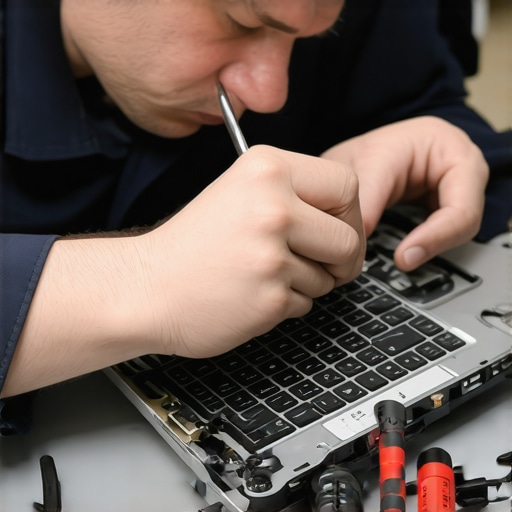
Many assume that smart, quick fixes or superficial knowledge suffice when dealing with complex computer issues, but the reality is far more nuanced. For instance, there’s a pervasive myth that DIY repairs on laptop screens or data recovery are straightforward and inexpensive. In truth, without understanding the underlying hardware intricacies and potential pitfalls, such attempts can cause more harm than good, leading to costly repairs or permanent data loss. Experts warn that rushing into repairs without comprehensive diagnosis often results in overlooking critical issues, such as subtle hardware faults that can escalate if not properly addressed.
Particularly with data recovery, the misconception that recovery software alone can solve all problems is dangerously misleading. Physical damages like water intrusion or SSD failures require specialized procedures, sometimes involving cleanroom environments, which are beyond average DIY capabilities. Ignoring these nuances can lead to irrecoverable data loss and wasted resources.
A common trap is underestimating the importance of assessing the device’s overall health. Many focus only on visible symptoms—like a flickering screen or error messages—without evaluating internal components that might be failing silently. For example, a crumbling GPU or degraded storage can manifest as intermittent display issues but demand different intervention strategies. Recognizing these subtleties is crucial, and consulting with professionals can prevent costly missteps.
For those managing IT infrastructure or handling sensitive data, neglecting proactive maintenance and regular backups compounds the problem. Relying solely on reactive fixes instead of implementing comprehensive managed IT solutions can leave systems vulnerable to hardware failures, malware, or cyberattacks. As highlighted in industry studies, companies that neglect regular diagnostic checks and cloud backups are disproportionately at risk of catastrophic downtime (source: managed IT strategies).
Are You Overlooking Hidden Risks in Your Repairs?
Many underestimate how small issues can snowball into major failures if not diagnosed correctly. For example, neglecting to check the health of storage drives before initiating data recovery might write over recoverable files or worsen physical damage. Effective data recovery strategies involve precise diagnosis and selecting suitable tools, not just running generic software. Remember, the key lies in understanding the specific failure mode and applying targeted solutions, whether you’re fixing a cracked screen or safeguarding critical files.
Have you ever fallen into this trap? Let me know in the comments. For safe and effective repair options, consider reaching out via our contact page to consult with experts and avoid costly mistakes.
Maintaining your computer’s health over time requires more than just occasional updates. It hinges on the right set of tools and consistent practices. From hardware diagnostics to data integrity checks, I rely on specific equipment and software to ensure systems stay operational and reliable. In my experience, using professional-grade tools not only accelerates troubleshooting but also preserves hardware longevity, ultimately saving money and preventing data loss.
Why I Trust Hardware Diagnostic Tools Like MSI Afterburner and HWMonitor
For example, I routinely utilize MSI Afterburner not just for GPU overclocking, but also to monitor temperature fluctuations during intensive tasks. Its real-time temperature and load metrics help me identify cooling issues before they escalate into hardware failures. Similarly, HWMonitor provides detailed voltage and thermal readings of all system components, which is invaluable for preemptive maintenance. These tools are fundamental in early detection of hardware stress signs, allowing me to address issues proactively, rather than reactively replacing parts.
Implementing Regular Software and Firmware Updates for Longevity
Keeping system firmware, BIOS, and driver software up-to-date is critical. These updates often include security patches and performance improvements that prevent hardware conflicts or vulnerabilities. I schedule semi-annual check-ins using manufacturer maintenance utilities—like Dell’s SupportAssist or Lenovo Vantage—to ensure firmware and BIOS are current. This routine reduces the chances of crashes and extends the lifespan of critical components.
Data Backup Solutions That Work for Busy Lives
Backing up data regularly might seem mundane but is essential. I advocate for using a combination of cloud solutions such as cloud backups and local external drives with encryption. A 3-2-1 backup strategy—three copies, two storage types, one off-site—is a habit I follow religiously. This approach ensures data recovery options are available after hardware failure or ransomware attacks. Testing backups every quarter secures your peace of mind.
How Do I Maintain Systems Over Time for Peak Performance?
Establishing a maintenance routine that includes disk cleanup, defragmentation (for HDDs), and malware scans is vital. I employ CCleaner for regular junk file removal and Malwarebytes to scan for threats. Additionally, I schedule performance audits using built-in Windows tools to identify bottlenecks. This consistent care minimizes system slowdowns and prevents unexpected failures. In my view, automation through scheduled tasks can streamline this process further, freeing up your time and ensuring nothing slips through the cracks.
Predicting the Future of Computer Maintenance Tools
Thinking ahead, AI-driven diagnostics and remote monitoring are poised to revolutionize how we maintain systems. These innovations will facilitate real-time health assessments, automatic issue resolution, and predictive hardware replacement—potentially before failures occur. Embracing these advancements now means staying ahead of inevitable breakdowns and reducing downtime significantly. Keeping abreast of industry updates via trusted sources like industry blogs and vendor announcements grants a strategic advantage. For example, exploring enterprise solutions highlighted in managed IT strategies can inform personal practices as well.
If you’re serious about sustaining your system’s performance, I encourage you to incorporate comprehensive hardware monitoring into your routine. Start by configuring MSI Afterburner or HWMonitor to alert you when temperatures rise beyond safe thresholds, and schedule full system audits quarterly. Consistent maintenance isn’t just about fixing issues; it’s about fostering a resilient, long-lasting setup that adapts to evolving demands.

Remember, investing in the right tools and disciplined routines today yields a smoother, more reliable computing experience tomorrow. Don’t wait for problems to become emergencies—stay proactive, keep your system healthy, and enjoy peace of mind. To learn more about effective managed IT approaches that can further support your maintenance efforts, check out managed IT strategies.
Hidden Truths That Took Me Years to Learn
One of the most valuable lessons I discovered is that rushing into repairs without proper diagnosis often leads to bigger problems down the line. For instance, I once replaced a laptop screen only to realize the real issue was a failing graphics card, which caused the flickering. This taught me to look beyond the surface and understand that every hardware component plays a part in the overall health of a device. Another insight was realizing that regular maintenance, like firmware updates and hardware monitoring, isn’t just about preventing issues but is crucial for extending device lifespan and saving money. It took me several missteps—like attempting DIY data recovery on water-damaged drives—that underscored the importance of knowing when to seek professional help to avoid irreversible damage.
Reading this post really resonated with me, especially the part about assessing when a repair is worth the cost. I’ve had a few experiences where I initially thought fixing a cracked screen was the best option, only to realize later that the device was over five years old and not worth investing in further repairs. It’s always a dilemma—whether to invest in repairs that might only be temporary or just replace the device altogether. I found that evaluating the overall health of the device, including components like the battery and hard drive, is crucial before deciding. One thing I do now is keep a detailed maintenance log and set reminders for firmware updates, which has extended my laptop’s lifespan significantly. For those of you facing similar decisions, do you consider factors like energy efficiency or compatibility with new software when choosing to repair or replace? I’d love to hear your strategies. Sometimes, a small upgrade can make a big difference, especially if your device is still mostly functional.