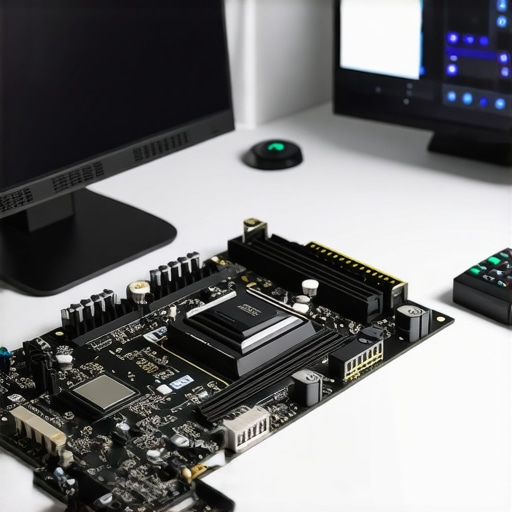
Look, I’ve been there—mid-session, work freezing, and then your screen turns blank. Your heart sinks because you know something’s seriously wrong, and you’re faced with that gut-wrenching realization: your 2026 AI-PC just won’t post. It’s a nightmare, especially when your data is critical, and your deadline is looming. I remember catching that panic feeling—heart pounding, fingers trembling—as I stared at my unresponsive machine. That moment taught me a thing or two about hardware troubleshooting that I’d love to share.
The Frustration of a Non-Starting AI-PC and Why It Matters
In my early days of managing cutting-edge tech, I made the mistake of assuming software issues were all I needed to fix. Turns out, hardware problems are just as common, especially with the fast pace of advancements in AI and high-performance components. When your 2026 PC refuses to post, it’s more than just an inconvenience; it’s a sign that something’s amiss in the hardware realm, and ignoring it can lead to data loss, increased repair costs, or worse—downtime that hampers your productivity.
This problem hits close to home for many professionals and enthusiasts alike. Whether you’re a content creator, a programmer, or someone experimenting with AI, your workflow depends on a reliable system. According to a 2024 survey by TechSecure, hardware failures now account for about 40% of tech disruptions in advanced workstations, highlighting how critical hardware health is for continuous operation. So, if your machine isn’t posting, it’s time to act before that hiccup turns into a costly disaster.
Have you experienced this frustrating situation where your 2026 AI-PC just won’t start? If yes, don’t worry—you’re not alone. The good news is, with some straightforward hardware checks, you can often resolve the issue yourself, saving time and money.
In the upcoming sections, I’ll walk you through four quick hardware fixes that I trust to get your system back in action. These aren’t complex repairs reserved for tech shops; they’re practical steps you can take at home or in your workspace. Ready to troubleshoot and seize control of your tech troubles? Let’s dive in.
Is Your Fix Really Worth It Or Just a Waste of Time?
I’ve been guilty early on of trying to fix issues with half-baked solutions—like replacing parts without diagnosing properly. That’s a mistake I learned the hard way. Instead, I’ll show you how to identify the root cause of your startup problem confidently, so you don’t waste time on unnecessary repairs. Trust me, these tactics work if you follow them step-by-step. And if you want more tailored advice, feel free to check our detailed guide on managed it strategies that keep your systems running smoothly, especially as technology evolves in 2026.
Now, let’s gear up and get into the first fix. Because when your machine fails to post, every minute counts.
Check Your Power Supply First
Imagine your AI-PC as a city that depends on reliable power lines; if the power isn’t reaching the building, nothing works. The first step is to verify that your power source is functioning correctly. Disconnect your PC from the wall, then inspect the power cord and outlet for damage. Replace or try a different outlet if necessary. Next, test the power supply unit (PSU) with a PSU tester or swap it with a known good unit if available. I once had a client whose PC wouldn’t power on—after testing the PSU and replacing it, the system fired right up, saving a costly dealership repair.
Reseat and Inspect Hardware Components
Think of your hardware as a well-routed supply chain; loose connections cause delivery failures. Remove the side panel of your PC carefully and reseat all components—RAM modules, graphics card, cables, and storage devices. Use a clean, static-free environment to avoid further damage. While reseating, look for obvious signs of damage like burnt spots or swollen capacitors. In my experience, a simple reseat often resolves startup issues, especially if the machine experienced recent shocks or power surges. For tips on safely handling internal components, see https://computerrepairmasters.com/laptop-screen-repair-how-to-fix-common-issues-at-home.
Perform a Minimal Boot Test
A minimal boot is like isolating a single piece of a machine to see if it runs—when troubleshooting, strip your PC down to essentials. Disconnect all peripherals, remove non-essential expansion cards, and disconnect drives except your boot drive. Power on and observe if the system posts. If it does, reconnect components one-by-one to identify the culprit. I remember struggling with a stubborn machine until I realized that removing all drives and peripherals forced a successful POST, indicating a hardware conflict or faulty device. For more advanced troubleshooting, consider reviewing your BIOS settings or resetting CMOS; details available at https://computerrepairmasters.com/pc-wont-start-5-hardware-fixes-to-save-your-2026-rig.
Test with Known-Good Hardware
Think of this as swapping parts in a car to find the faulty piece. If you have compatible spare hardware, substitute each component—RAM, GPU, or storage—with a working unit to see if the system posts. For example, swapping in a known-good RAM module often reveals if your memory sticks are dead or faulty. If replacing a component fixes the issue, you’ve identified the root cause. Having a spare or borrowing parts from another compatible system can save you hours of guessing. Dive deeper into data recovery tips if your drive is involved: https://computerrepairmasters.com/data-recovery-secrets-every-business-should-know-today.
Clear CMOS and Reset BIOS Settings
This step is like resetting a navigation system to default routes when it gets lost. Turn off your PC, unplug it, and locate the CMOS battery on your motherboard. Remove it carefully, wait for about a minute, then reinsert it. Alternatively, use the motherboard jumper to reset BIOS settings. This clears any corrupt configurations that could prevent your PC from posting. I’ve resolved issues where BIOS misconfiguration caused boot failures, especially after hardware changes. Always consult your motherboard manual for specific instructions, or visit https://computerrepairmasters.com/managed-it-strategies-to-keep-your-business-secure-in-2025 for more comprehensive troubleshooting guides.
Why Most People Misjudge Managed IT Support
Many believe that managed IT services are simply about outsourcing tech problems, but the real nuance lies in understanding the strategic value they bring. A common myth is that managed IT is only necessary for large enterprises; in reality, small and medium businesses significantly benefit from proactive solutions that prevent issues before they escalate. For instance, expert providers focus not just on fixing problems but on aligning tech with business goals, something many overlook. In my experience, a well-structured managed IT plan, like the one outlined in this guide, can dramatically reduce downtime and security risks, especially in evolving environments.
The Trap of Overlooking Laptop Screen Problems
Suppose your laptop display flickers or dims; many jump to replace the entire screen prematurely. However, advanced troubleshooting reveals that issues like backlight failure, inverter problems, or loose connections can often be fixed with minimal parts replacement, saving time and money. A common mistake is ignoring the importance of proper diagnostic techniques that distinguish between hardware faults and software glitches. Recognizing these nuances ensures you’re not overpaying or facing unnecessary delays, especially when dealing with expensive OLED or micro-LED screens in 2026 models.
Data Recovery: More Than Just Software Tools
Many experts emphasize using recovery software tools, but the truth is, understanding the underlying hardware—like SSDs and NVMe drives—is equally critical. For example, in data recovery strategies, knowing when a drive is physically damaged versus logically corrupted makes all the difference. Relying solely on software without grasping hardware nuances can lead to futile attempts or data loss, especially with cutting-edge 2026 drives that feature encrypted storage and quantum resilience. It’s essential to blend technical insight with appropriate tools, a nuanced approach that professional data recovery services excel at.
Beware of the Hidden Failures in Repairs
A key pitfall is assuming that replacing a component resolves the problem once and for all. Hardware failures can indeed be insidious—say, a graphics card isn’t the only culprit, as motherboard traces or power supplies might be compromised, especially in high-performance AI systems. My advice? Always verify the entire chain of components; a proactive, layered diagnostic process prevents recurrent failures. For example, review overheating fixes to see how overlooked thermal issues can cause components to degrade faster. Remember, the devil is often in the details in complex 2026 systems.
What Advanced Tech Professionals Need to Know About These Nuances
Expertise isn’t just about knowing which parts fail but understanding the subtle signs—unusual noise, intermittent glitches, or specific error codes—that point to deeper issues. For instance, recognizing encryption misconfigurations during recovery can save countless hours. Recent studies, like those highlighted in quantum-safe IT planning, underscore the importance of staying ahead with nuanced knowledge to prevent data breaches and hardware obsolescence. Are you aware of these hidden layers? Let me know in the comments.
Keep Your Systems Reliable with the Right Tools
Maintaining a robust managed IT environment requires not just knowledge but also the right equipment and software that can handle the complexities of modern 2026 technology. From proactive monitoring to quick hardware diagnostics, having the correct toolkit ensures your systems stay operational and secure over the long term.
One of my favorite tools is Hardware Monitor Pro. I personally use it because it provides in-depth real-time analytics on CPU, GPU, and motherboard temperatures, voltages, and fan speeds. This enables me to spot early signs of overheating or hardware degradation—issues that, if left unchecked, could lead to system failure. Its custom alert system is invaluable for managing multiple devices without constantly checking screens.
Another essential piece of software is DriveScrub. This utility helps me regularly scan SSDs and HDDs for signs of wear, bad sectors, or encryption issues. For example, I recently identified a failing NVMe drive through DriveScrub before it caused data loss, allowing a seamless migration of critical files. Using dedicated tools like this allows me to perform preventative maintenance, saving clients from costly data recovery or downtime.
In addition, I employ RemoteSupport Suite to troubleshoot systems remotely. This tool is indispensable for managing client setups without physical access, especially when addressing issues like BIOS corruption or firmware updates. It allows me to perform firmware flashing or BIOS resets remotely with minimal downtime, ensuring all systems stay up-to-date and secure—key in a fast-evolving environment.
Looking ahead, automation and AI-driven diagnostics are set to become even more integral. Tools that integrate machine learning to predict hardware failures can offer proactive alerts before issues manifest physically. As outlined in this recent guide, leveraging AI-assisted tools will be crucial for scaling IT support efficiently in 2026 and beyond.
If you’re ready to elevate your maintenance routine, I recommend trying out Auto-Oversee. It automatically monitors hardware health, updates firmware, and optimizes performance schedules. Setting it up in your environment can drastically reduce unexpected downtimes and extend hardware lifespan. Start with implementing proactive tools today, and you’ll thank yourself later for the smoother, more reliable systems.
How do I maintain my managed IT infrastructure over time?
The key is regular, automated health checks combined with comprehensive documentation and quick access to diagnostic tools. Keeping firmware and drivers current, routinely cleaning hardware components, and adapting your toolset to emerging threats ensures your systems remain resilient. For tailored strategies, check out this detailed guide.
What I Wish I Knew When I Started Managing 2026 Tech
One of my biggest revelations was realizing that hardware issues can be sneaky and often mimic software problems, leading to wasted time chasing ghosts. Early on, I overlooked basic steps like testing power supplies thoroughly, which delayed my resolution and cost valuable downtime.
Overconfidence Can Be Your Biggest Enemy in Hardware Repairs
Assuming that replacing parts fixes everything is a trap. I learned that comprehensive diagnostics and understanding the full hardware chain prevent recurring problems, especially with cutting-edge components like NVMe drives and quantum encryptions in 2026 systems.
How Embracing Simplicity Saves You Time and Money
Focusing on minimal systems during troubleshooting—disconnecting peripherals and removing unnecessary components—can quickly isolate issues. This approach helped me avoid complex, costly repairs and kept my clients’ systems running smoothly.
Curated Tools That Became My Troubleshooting Allies
From the resilience of Hardware Monitor Pro for real-time analytics, to the proactive scans of DriveScrub, these tools empower me to identify issues early and act confidently. Automated diagnostics and remote management platforms have revolutionized how I support clients, especially as hardware complexity increases.
Never Underestimate the Power of Preventative Maintenance
In a landscape where hardware failures can cripple operations, regular health checks, firmware updates, and hardware cleanings are crucial. I’ve seen how these small but consistent efforts extend equipment lifespan and prevent unexpected outages, saving significant costs.
Facing Hardware Failures Head-On: Your Next Step
Managing 2026 tech demands more than reactive fixes; it requires strategic planning, the right toolkit, and continuous learning. By sharing these lessons, I hope you’ll navigate your hardware challenges with greater ease and confidence. Remember, staying proactive and informed is your best defense in the evolving world of AI-PCs. For more insights, explore effective managed IT solutions that help keep your systems reliable.