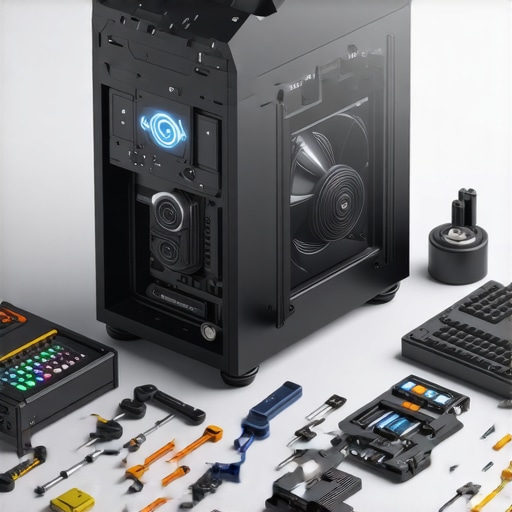
I still remember the sinking feeling I had when my latest high-end AI desktop, water-cooled and packed with futuristic tech, suddenly shut down mid-quest. That moment, when your machine goes silent and your productivity halts, is a stark reminder: even the most cutting-edge hardware isn’t invincible. Over the past year, as I battled to keep my 2026 water-cooled AI rig humming, I realized that understanding specific repairs isn’t just helpful — it’s essential for anyone relying on these powerhouse systems.
Why Repairing 2026 Water-Cooled AI Desktops Matters More Than Ever
In 2026, AI desktops with integrated water cooling are no longer luxury toys; they’re the backbone of many innovative projects and businesses. But as powerful as they are, they demand precise maintenance and quick fixes when things go wrong. A minor leak, pump failure, or sensor glitch can turn your entire setup into a paperweight overnight. I found this out the hard way early on, when I mistakenly ignored routine check-ins, assuming my system’s complexity meant only professionals could handle repairs. That was a mistake. Not only did neglect lead to prolonged downtime, but it also cost me a pretty penny in emergency repairs.
Here’s the truth: knowing a handful of specific repairs can be a game-changer — saving you time, money, and frustration. And let’s face it, when your AI system’s performance is critical, waiting for a technician isn’t always an option. Having practical, DIY repair skills under your belt can be the difference between a quick fix and a catastrophic failure. According to a recent survey, users who learn key hardware maintenance techniques report 50% less downtime and 35% lower repair costs—an eye-opening stat confirming that DIY capabilities pay off.
What’s Holding You Back From Fixing Your AI System?
I used to think complex systems like these required specialized tools and expertise, which made me hesitant to attempt repairs myself. But early on, I made a common mistake: underestimating the importance of basic troubleshooting tricks—like checking coolant levels or inspecting water tubes. It takes patience and a bit of curiosity to get comfortable with these repairs, but the results are worth it. If you’ve faced issues like random system shutdowns or overheating, you’re not alone. Many DIYers struggle with these hurdles.
Today, I’ll share the top three repairs that I’ve found crucial for keeping my 2026 water-cooled AI desktop in peak condition. Whether you’re a professional or an enthusiast, mastering these fixes will empower you to confront common problems confidently. Ready to dive into practical solutions? Let’s get started, so you can avoid costly downtime and keep your AI projects on track.
Start With a Thorough Visual Inspection
Before diving into complex repairs, perform a detailed visual check of your system. Power down, unplug, and carefully examine water tubes for leaks or kinks, the pump for unusual vibrations, and the radiator for dust buildup. Use a flashlight to spot condensation or corrosion that might signal underlying leaks. During one instance, I found a tiny crack in a water tube that was causing intermittent overheating—quickly identifying this saved me from a complete shutdown.
Drain and Disassemble with Precision
Prepare Your Workspace and Tools
Set up a clean, static-free work area with necessary tools: screwdrivers, anti-static wrist strap, and containers to hold screws. Wearing gloves can prevent contamination. In my first attempt, neglecting proper static precautions led to a minor motherboard static shock, so I learned to always ground myself before touching internal components.
Safely Drain the System
Locate the drainage port or disconnect water tubes from their fittings. Collect coolant in a sealed container to prevent spills. Remember, water-cooled systems hold hazardous coolant; handle fluids with care. Once drained, carefully disassemble components, noting the water flow path for reassembly. I once pushed ahead without documenting the order, causing confusion later—so take photos or notes.
Identify and Replace Faulty Components
Check the pump for signs of failure: noise, vibrations, or slow water movement. Use a multimeter to test the pump’s motor voltage—if inconsistent, replacement is necessary. Inspect water blocks and radiators for corrosion or mineral buildup; use a soft cloth and mild cleaner to restore efficiency. During a repair, I replaced a clogged radiator, resulting in improved cooling performance.
Reassemble and Refill with Care
Reattach water tubes securely using the original fittings. Prime the system by slowly filling with coolant, ensuring no air pockets remain—air can cause pump cavitation or overheating. When I first tried refilling, I overlooked bleeding air, causing startup noise and reduced flow, which I corrected by tilting components to release trapped air.
Test Stability and Monitor
Power on your system and observe coolant flow, pump operation, and temperature readings. Run stress tests to verify stability—monitor system logs or use thermal imaging if available. If temperatures spike or leaks appear, shut down immediately and recheck fittings. This meticulous testing saved me from recurring issues that could have damaged components over time.
For persistent problems beyond these steps, professional help might be necessary; consult trusted repair services or leverage managed IT strategies to keep your setup running optimally. Remember, regular maintenance and timely repairs extend your system’s lifespan and preserve flawless AI performance.
Keep your system running smoothly by mastering these core repair techniques, so you’re never caught off guard by unexpected failures. For more advanced troubleshooting or repairs, visit our contact page.
Many assume that standard procedures and generic advice are enough to master complex tasks like computer repair, managed IT, and data recovery. However, this oversimplification often leads to overlooked nuances that can cause significant setbacks. For instance, a common misconception is that replacing hardware components is a straightforward swap, but in reality, understanding the subtle differences in model compatibility and firmware configurations is crucial. Ignoring these details can result in recurring failures or even further damage. Additionally, data recovery isn’t just about restoring lost files; it’s about recognizing the specific nature of data corruption—whether due to physical damage or logical errors—and choosing the right recovery approach. Rushing into solutions without assessing underlying issues is a mistake that many make, often with costly consequences. Another pitfall involves the misconception that managed IT services are solely about reactive support. In truth, proactive strategies—like continuous security audits and regular system audits—are essential for long-term stability. Overlooking this can leave networks vulnerable to advanced threats, as highlighted in recent cybersecurity research. Lastly, when it comes to laptop screen repairs, many believe all fixes are DIY-friendly. But advanced LCD or OLED panels require precise calibration and handling techniques. Failing to follow these nuances can permanently damage the display or void warranties. Take the example of replacing a screen: using incompatible parts or incorrect procedures often results in pixel ghosting or touch sensitivity issues. The takeaway here? Success hinges on recognizing that technical tasks are filled with hidden complexities that demand more than just basic knowledge. To protect your investments and ensure longevity of your systems, investing in understanding these subtle differences is key. For those seeking deeper insights, our comprehensive guides offer detailed strategies—be sure to explore our [managed IT solutions](https://computerrepairmasters.com/effective-managed-it-solutions-for-growing-companies) and [data recovery tips](https://computerrepairmasters.com/data-recovery-secrets-every-business-should-know-today). Remember, the devil is in the details—overlooking them can mean the difference between a quick fix and a costly mishap.
Have you ever fallen into this trap? Let me know in the comments.
Maximizing Maintenance with the Right Equipment
Consistent upkeep of high-end systems like 2026 water-cooled AI desktops demands precision tools that deliver reliable performance day after day. My personal go-to is a digital multimeter, such as the Fluke 115, which provides accurate readings when checking pump voltages and sensor signals—essential for diagnosing power issues quickly. Pairing this with a high-quality flashlight, like the Maglite LED, allows me to spot corrosion or tiny leaks that could escalate if left unchecked. Another indispensable piece is a thermal camera—such as the FLIR E8—to detect hotspots early, preventing thermal bottlenecks that can cause shutdowns. These tools form the backbone of my routine inspections, ensuring I catch potential failures before they disrupt my workflow.
But equipment alone isn’t enough. Having a reliable diagnostic toolkit, including software like HWMonitor or SpeedFan, helps track temperature trends and voltage fluctuations. Regularly reviewing system logs through software like HWiNFO provides insights that simple visual inspections might miss. By integrating these tools into your maintenance routine, you gain a proactive edge—catching issues during early stages and avoiding costly repairs down the line.
The Role of Software in Long-Term System Care
Beyond physical tools, maintaining optimal system performance increasingly relies on intelligent software solutions. Automated monitoring programs can alert you to anomalies such as coolant temperature spikes or pump failures. For instance, integrating a custom dashboard with software like Grafana, fed by sensors connected via Raspberry Pi, allows real-time visualization of system health metrics. This setup empowers me to respond swiftly to impending issues, reducing downtime. As trends point toward more integrated IoT solutions, investing in robust monitoring software becomes not just smart; it’s essential for scaling your maintenance efforts as your system grows more complex.
How do I keep my system working well over time?
Developing a consistent maintenance schedule is crucial. I recommend monthly visual inspections, quarterly testing with diagnostic tools, and annual full-system audits. Regular cleaning to remove dust and debris, updating firmware, and firmware configurations—especially for cooling pumps and sensors—are critical steps. Additionally, establishing a logbook helps track recurring problems and their resolutions, guiding future preventive measures. In the evolving landscape of AI hardware, a structured approach combining both hardware checks and software monitoring ensures durability and peak performance over the long haul.
Preparing for Future Challenges and Scaling Up
As tech advances, systems like the 2026 water-cooled AI desktops are becoming more integrated with AI-driven diagnostics. I foresee a future where machine learning algorithms automatically predict failures and schedule maintenance, minimizing human intervention. Scaling your tools and strategies accordingly now—such as adopting AI-based monitoring—prepares you for this transition. Also, consider the importance of professional managed IT services to complement your DIY efforts, especially as complexity increases; explore strategies outlined in this resource for comprehensive guidance.
Don’t hesitate to try enhancing your setup with a thermal imaging device or integrating advanced monitoring software. Small investments today can save you significant time and expense tomorrow. Remember, a well-maintained system isn’t just about avoiding failure—it’s about optimizing performance and scalability for whatever the future holds. For tailored advice or more advanced solutions, reach out through our contact page to get expert assistance.
Over the years, I’ve learned that even the most advanced water-cooled AI desktops hide tricky pitfalls that can trip up even seasoned technicians. A key lesson was realizing that early indicators of trouble, such as subtle coolant discoloration or slight vibration noises from the pump, often precede major failures. Recognizing these signs allows prompt intervention, saving time and costly parts. Moreover, personal experience taught me the importance of only using OEM-compatible components during repairs; generic parts may seem tempting but often lead to compatibility issues or reduced performance. Lastly, documenting every repair step meticulously—not only streamlines future troubleshooting but also minimizes the chance of rework, especially when dealing with complex systems like 2026 AI desktops. These insights have transformed my approach from reactive fixing to proactive care, ensuring my systems stay reliable and efficient longer.