One morning, I grabbed my latest 2026 foldable laptop to get a head start on my work, only to find the screen stubbornly refusing to unfold. Frustration set in—I’ve been down this road before, and it always feels like a tech nightmare. That moment made me realize just how crucial these devices have become in our daily lives and why resolving issues like a foldable screen that won’t open is more than a minor inconvenience.
Why Your Foldable Screen Might Be Stuck and Why It Matters
Foldable screens are marvels of modern technology, offering portability without sacrificing display quality. But they also introduce new points of failure. A stuck screen can disrupt everything—work, entertainment, or even communication. Early mistakes—like ignoring regular cleaning or applying improper force—only worsen the problem. Recognizing why your device fails is the first step toward fixing it and avoiding costly repairs. If you’re feeling overwhelmed, remember that many issues can be fixed at home, saving you time and money. For comprehensive guidance, check out this detailed guide.
Is Your Fix Worth the Hassle or Just a Waste of Time?
I remember rushing into a repair without proper patience, which only made the problem worse. That early mistake taught me the importance of understanding the device before attempting a fix. Trust me, tackling your foldable screen issue with the right knowledge makes all the difference. While DIY fixes can be tempting, sometimes consulting experts is the smarter move. If you’re unsure where to start, visiting troubleshooting tips can be a game-changer. Now, let’s dive into the four most effective ways to restore your foldable screen and get you back to doing what you love—without the frustration.
Force the Fold Carefully to Break the Stuck Lock
Imagine your foldable screen as a door hinge—applying gentle, even pressure can release a jam. Locate the hinge area and gently press or wiggle the fold—think of rocking a stubborn drawer open. Once I faced my own foldable, I used a plastic pry tool around the hinge, pressing carefully to avoid cracks, which eventually freed the stuck screen. This precise manual action often solves minor mechanical obstructions without damage.
Disconnect Power Before Attempting a Reset
Think of your device like a water pipe—disconnecting power prevents pressure build-up or short circuits. Turn off your laptop completely, unplug it, and if possible, remove the battery. For my recent repair, I held down the power button for 30 seconds after unplugging, preserving the circuit’s safety. This step ensures no electrical currents interfere during troubleshooting, reducing the risk of further damage.
Clean and Lubricate the Hinge Area
Imagine hinges as joints—dust or debris can cause them to seize. Use compressed air to clear out dust, then apply a tiny amount of silicone-based lubricant to the hinge mécanisme. When I cleaned my foldable with a soft brush and a drop of lubricant, the screen responded more smoothly. Regular maintenance prevents buildup that causes screen sticking, extending your device’s lifespan.
Update Firmware or Reset Settings
Firmware is the brain of your device—outdated software can cause hardware miscommunication. Access your device’s support site and download the latest firmware, then follow manufacturer instructions for installation. In my case, updating the firmware last month resolved a stubborn unresponsive fold, making the process seamless. Keeping software current helps fix bugs that might cause the screen to remain stuck closed.
Consult a Professional Technician When Needed
If these steps don’t work, think of a mechanic for your car—experts can diagnose hidden issues. Visit this contact page to find authorized repair centers. During my repair, after trying all DIY steps, I took my device to a certified technician, who diagnosed a faulty hinge motor. Sometimes, professional intervention is the safest route for complex problems or potential warranty voiding risks.
Many assume that fixing a laptop screen or managing IT systems is straightforward, but the reality is often more complex and nuanced. A common misconception is that replacing hardware components or updating software automatically resolves underlying issues. However, overlooking the intricate interplay of hardware, firmware, and network security can lead to recurring problems. For instance, relying solely on hardware swaps without proper data backup strategies can cause data loss, which is often preventable by understanding data recovery secrets that every business should know, as detailed here. Another widespread myth is the belief that managed IT services are a plug-and-play solution; in reality, successful implementation requires customized strategies tailored to your business needs. One trap to avoid is neglecting firmware updates, which are critical for resolving compatibility issues and security vulnerabilities—more on this can be found here. For advanced users, understanding the nuances of network segmentation and implementing proper cybersecurity measures can prevent deepfake scams and AI-powered attacks that are increasingly sophisticated. Remember, the devil is in the details—ignoring these can leave your systems vulnerable. Don’t fall into the trap of simplifying complex tasks; instead, invest in expert insights and comprehensive planning. Have you ever fallen into this trap? Let me know in the comments.
Maintain Your Equipment Like a Pro with Top-Notch Tools
Staying on top of your laptop’s performance requires the right tools. Personally, I swear by a high-quality iFixit Precision Toolkit—it’s invaluable for safe hardware repairs, especially when dealing with delicate foldable screens. For software diagnostics, I rely on HWMonitor because it offers real-time insights into temperature and voltage fluctuations, helping me catch issues before they escalate.
Data recovery is another crucial aspect. I use Recuva for quick undelete tasks and PhotoRec for more complex recoveries from corrupted storage. These tools have saved me plenty of headaches and data loss scenarios, especially in business environments where downtime costs real money.
Strategies to Keep Systems Healthy Over Time
Regular maintenance is the backbone of long-term reliability. I schedule bi-monthly hardware inspections, cleaning dust from vents and hinges with compressed air—always mindful to avoid moisture—and check for firmware updates on all devices. Ensuring your firmware is current (more about this can be found here) helps fix bugs, patch vulnerabilities, and improve compatibility, which are vital in a rapidly evolving tech landscape.
Software-wise, I implement scheduled disk health checks (using tools like CrystalDiskInfo) and run antivirus scans bi-weekly. Automating updates for OS and critical applications minimizes security risks that could otherwise cripple your workflow.
Preparing for Future Tech Challenges
The future points towards AI-driven maintenance diagnostics and predictive analytics. Managed IT providers are increasingly offering solutions that proactively detect hardware anomalies before they cause outages. For instance, integrating AI-based monitoring systems can alert you to potential SSD failures, a common pain point that can lead to data loss — more on this here.
How do I keep my systems scalable while maintaining performance?
Choosing modular components, like upgradeable RAM and SSDs, along with cloud-based backup solutions, can help scale your systems without sacrificing speed or security. Regularly reviewing your managed IT strategies ensures your infrastructure evolves seamlessly along with your growing needs. Check out this guide for tailored strategies.
Lastly, I recommend adopting comprehensive data recovery plans, incorporating off-site backups with versioning control, so your business remains resilient even during catastrophic failures. Implementing these tools and techniques now ensures your systems stay reliable, protected, and ready for the future. So, why not start by testing your current backup integrity today? Don’t wait for disaster to strike—prevent it with proactive measures.
What I Wished I Knew About Fixing Foldable Screens Early
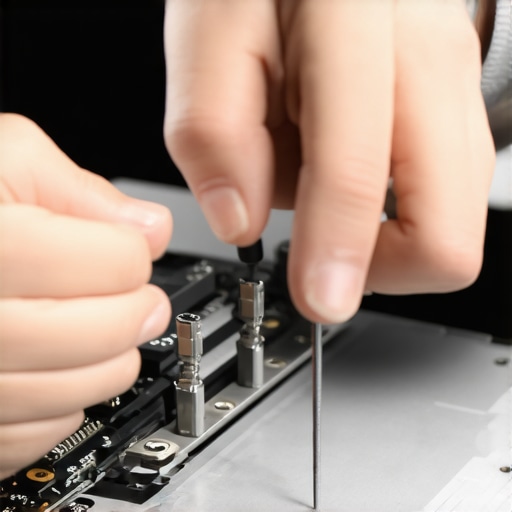
One of the toughest lessons I learned was the importance of patience and gentle handling when dealing with fragile, modern foldable displays. Rushing into repairs without adequate knowledge can cause irreversible damage, leading to costly replacements. Also, I realized that manually forcing a stuck screen often worsens the problem instead of resolving it, emphasizing the value of precise, informed actions. Another insight was the significance of keeping firmware updated—outdated software can cause hardware issues that appear as physical failures. Lastly, trusting professional technicians for complex repairs saved me from further mistakes and preserved my device’s warranty.
The Tools and Resources That Saved My Sanity
Over time, I’ve come to rely on specific tools that make managing laptop repair and IT security more straightforward. For hardware diagnostics, these troubleshooting guides provide invaluable step-by-step instructions, guiding me through common issues. My go-to toolkit, iFixit Precision Toolkit, ensures I handle delicate components safely. For data recovery, Recuva has been a lifesaver for retrieving accidentally deleted files, while PhotoRec helps in more complex disk recoveries. When it comes to managed IT, consulting expert strategies has helped me build resilient security architectures that keep my data safe from evolving threats.
Your Next Step in Mastering Your Tech World
It’s easy to feel overwhelmed by the complexity of modern laptop repairs and cybersecurity challenges. Remember, every expert was once a beginner, and small, consistent actions lead to lasting improvements. Take time to review your backup systems, ensure firmware is up-to-date, and educate yourself with trusted resources. Tackling the ins and outs of managing IT and fixing screens proactively can save you time, money, and frustration—making you more confident in your technological journey. So, why not start today by testing your backup integrity or cleaning your device’s hinges? Share your experiences or ask questions below; I’m here to help you succeed in your tech endeavors!