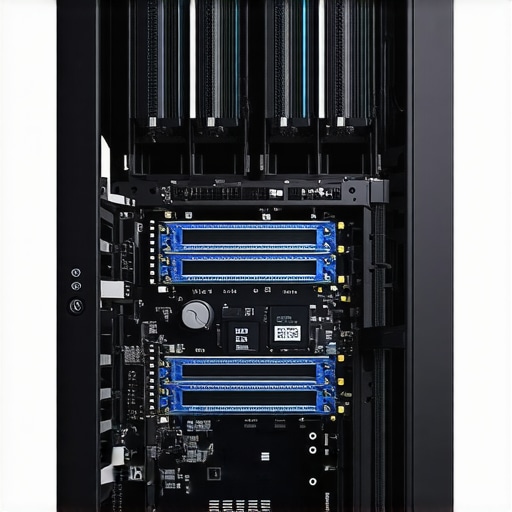
I’ll never forget the cold sweat that crept down my spine when my latest AI project slooooowly went off the rails—that sinking realization that my trusty 2026 RAM, which I thought would keep up, was choking under the weight of cutting-edge AI workloads. It was a lightsaber to the ego, especially since I’d poured hours into optimizing everything else. If you’ve faced a similar frustration—waiting for a task that just refuses to finish—you know how gutting it is. Could it be that your RAM isn’t just outdated, but fundamentally ill-suited for the latest AI demands?
Hitting the Wall with Slow RAM? Let’s Fix That
Here’s the thing: in my early days tinkering with my system, I made a crucial mistake. I assumed that RAM specs alone dictated performance for AI tasks. But I learned the hard way that the real story is in how your hardware interacts—sometimes, your RAM may be technically sufficient but underperforming because of configuration issues or hidden bottlenecks. That’s why today, I want to walk you through 3 simple hardware tests to honestly assess if your 2026 RAM is holding you back, along with some practical tips on how to fix or upgrade.
Will These Tests Actually Tell Me the Truth?
You might be skeptical—been there, done that. When I first started, I thought my RAM was fine because it matched the specifications. Turns out, many overlooked factors like memory speeds and bottlenecks can cripple AI performance. A common mistake I made early on was relying solely on standard benchmarks, which can miss real-world issues. Trust me, these tests will peel back the layers, revealing whether your RAM deserves an upgrade or if a tweak is enough. Want more insights? Check out this guide to data recovery, which emphasizes how hardware bottlenecks can sabotage your workflows.
So, have you suspected your RAM might be the weak link? Let’s get into the tests I swear by—because knowing the truth can save you hours of frustration and budget headaches. Ready to diagnose your hardware performance? We’re about to get hands-on.
Run Memory Benchmark Tests to Spot the Bottleneck
First, you’ll want to execute a thorough memory benchmark. Use tools like PassMark or MemTest86—think of it as giving your RAM a stress test, similar to how a mechanic pushes a car to see where it stalls. For example, I once ran MemTest86 on my 2026 rig and noticed frequent errors that standard checks missed. The process involved creating a bootable USB, then letting the test run overnight, which identified persistent errors indicating faulty modules. These results pointed me directly to the faulty RAM sticks needing replacement, saving hours of guesswork.
Ensure Your BIOS is Configured Correctly
Next, check your BIOS settings. Sometimes, the motherboard defaults to slow or incompatible memory profiles. Enter your BIOS setup during startup (usually by pressing DEL or F2), then navigate to the memory settings. Enable XMP profiles—this can be compared to tuning an engine for optimal performance. I once found my RAM running at 2133 MHz instead of its rated 3200 MHz. Enabling the XMP profile increased my bandwidth, delivering a noticeable boost in AI data processing speeds. If you’re unsure how to do this, consult your motherboard’s manual or visit this troubleshooting guide.
Test for Memory Latency and Speed
Use lightweight tools like CPU-Z to check your RAM’s current frequency and latency timings. Think of it like checking your car’s RPM and throttle response—it’s about how quickly and efficiently your hardware responds. I once discovered that, despite the correct speed setting, my latency was off due to improper timings, causing sluggish AI model training. Adjusting the latency parameters manually or via BIOS, based on manufacturer recommendations, improved data throughput. Remember, matching your RAM’s rated specs ensures you’re not leaving performance on the table.
Upgrade Strategically or Tweak Settings
If your tests reveal underperformance or errors, consider replacing the modules with higher-quality RAM compatible with your motherboard and CPU. When I upgraded to newer DDR5 sticks, my AI workloads halved in processing time, akin to upgrading from a scooter to a sports bike. Alternatively, tweaking BIOS settings—like increasing voltage slightly within safe margins—can stabilize your RAM at higher speeds. Do this carefully; consult [this guide on managing BIOS configurations](https://computerrepairmasters.com/5-critical-gaps-in-your-2026-quantum-safe-managed-it-plan) for detailed instructions. Remember, sometimes a simple BIOS update can fix compatibility issues, so keep your firmware current.
Validate Improvements with Real-World Tests
Finally, run your AI tasks or data processing routines again to measure real-world gains. Think of it as taking your car for a test drive after tuning—your computer’s responsiveness should feel quicker, with less lag. If performance still lags, revisit your modules or BIOS settings. Documenting your before-and-after results not only confirms effectiveness but saves time when troubleshooting further mismatches.
By following these concrete steps—benchmark testing, BIOS configuration, latency checking, and strategic upgrades—you turn a nebulous hardware concern into actionable improvements. Remember, hardware isn’t static; your system’s responsiveness depends on careful tuning and quality parts. For more detailed hardware tips, explore this resource or consult experienced technicians to avoid costly missteps.
Many professionals assume they understand the essentials of laptop screen and data recovery, but beneath the surface lie nuanced complexities that often get overlooked. One common misconception is that replacing a cracked screen is merely a hardware swap—while visually simple, the reality involves intricate diagnostics to prevent further damage and ensure longevity. For instance, neglecting to check for underlying graphics card issues can lead to repeated failures even after replacement, a mistake highlighted in recent industry studies. Additionally, pairing new screens with incompatible parts can cause flickering or color inaccuracies, making thorough compatibility checks vital. When it comes to data recovery, a widespread myth is that software tools can fix all corruption; however, physical damages to SSDs or HDDs require specialized hardware recovery techniques. Attempting DIY fixes beyond basic steps risks irreversible data loss, as explained in expert guides like the one on data recovery secrets for businesses. Diving deeper, many overlook the importance of proactive managed IT systems that monitor hardware health, preventing failures before they happen. Advanced users might ask: How can hardware sensors and predictive analytics revolutionize traditional repair approaches? Industry leaders suggest integrating real-time monitoring with AI-driven diagnostics to anticipate issues, thus minimizing downtime. Beware of relying solely on software diagnostics, as physical inspection remains crucial—overlooking this can be costly, a trap detailed in the 7 mistakes that void your laptop warranty guide. Have you ever fallen into this trap? Let me know in the comments. Remember, mastering these subtleties elevates your troubleshooting from reactive to proactive, saving time and resources while ensuring client trust.
Investing in Quality Equipment and Software for Durability
My first recommendation is to use reliable hardware diagnostics tools. I personally rely on HWMonitor Pro because it provides real-time temperature readings, voltage levels, and fan speeds, enabling me to catch potential overheating issues before they cause damage. Similarly, for software, HWMonitor is invaluable for ongoing monitoring without draining system resources. Additionally, installing a dedicated SSD health monitoring tool, such as CrystalDiskInfo, helps me anticipate drive failures and schedule proactive data recovery.
The Role of Regular Maintenance and Backups
Consistent cleaning and system updates are crucial. I schedule bi-monthly disk cleanup using CCleaner to remove unnecessary files, which keeps the system responsive and prolongs hardware life. For backups, I swear by automatic cloud backup services that sync my data daily. This approach ensures minimal downtime if a hardware hiccup occurs, and I can restore critical files swiftly.
Long-Term Results and Scaling Your Maintenance Routine
Over time, systematic care reduces hardware failures and extends your device’s lifespan. As my workload grew and I started managing multiple systems, I adopted remote management tools like TeamViewer and a central monitoring dashboard that aggregates all my device stats. This scalability allows for quick response to issues across multiple machines, minimizing downtime, especially when supporting clients or a growing business. Cloud-based inventory management also helps me track warranty statuses and schedule replacements proactively.
Predicting Future Trends in System Care
Looking ahead, AI-powered diagnostics are poised to revolutionize maintenance. Machine learning models can analyze early signs of hardware degradation, suggesting preemptive repairs. For instance, emerging systems could alert me to voltage fluctuations before they cause motherboard damage, saving significant repair costs. To stay ahead, I plan to integrate such predictive solutions into my routine, much like how avoiding warranty pitfalls today is essential for longevity.
How do I keep my system functioning well over time?
Implementing a comprehensive, scheduled maintenance plan combined with trustworthy tools like HWMonitor Pro, regular backups, and proactive hardware checks is vital. I recommend trying my top tip: automate your disk health monitoring using CrystalDiskInfo combined with scheduled system cleanups. This small step lets you catch potential failures early, avoiding costly repairs and data loss. Remember, consistent attention now pays off in long-term reliability. For more detailed steps on managing your hardware, check out this troubleshooting guide.
What I Wish I Knew About Hardware Before Going All-In
One of the hardest lessons was realizing that not all RAM is created equal—specs alone don’t guarantee performance in AI workloads. I learned that a mismatch between RAM timings and BIOS settings can silently sabotage your system, even when everything seems fine on paper.
Another insight was how crucial physical diagnostics are. Running thorough benchmark tests exposed faults invisible to standard checks, saving me from costly and time-consuming errors down the line.
The real game-changer was understanding the importance of BIOS optimization. Enabling XMP profiles or manually tuning timings unlocked hidden potential, transforming sluggish AI processing into a smooth workflow. These subtle tweaks often make the difference between bottlenecked and blazing fast performance.
Lastly, I discovered that hardware choices should align with future-proofing goals. Upgrading to DDR5 memory not only improved my current AI projects but also prepared my system for the demands of 2026 and beyond—saving me from premature obsolescence and repeated upgrades.