![3 Fast Fixes for a 2026 Laptop Screen That Won't Dim [Tested]](https://computerrepairmasters.com/wp-content/uploads/2026/03/3-Fast-Fixes-for-a-2026-Laptop-Screen-That-Wont-Dim-Tested.jpeg)
I remember the exact moment I faced it: my brand-new, shiny 2026 laptop screen stubbornly refused to dim, no matter how bright or dark the room was. It was late at night, and the glowing screen felt more like a glaring spotlight than a helpful display. Frustration set in as I fumbled through endless troubleshooting guides, only to realize I was missing the quick, effective solutions that could save me time and preserve my sanity.
The Lightbulb Moment: When Fast Fixes Make All the Difference
After countless failed attempts and a creeping sense of helplessness, I discovered that a few simple, tested tricks could resolve this issue swiftly. Today, I want to share with you the exact methods I used—three proven, quick fixes that can restore your laptop’s dimming function without expensive repairs or hours lost in doubt. Whether you’re a busy professional or a student trying to get back to work, knowing these hacks can be a real lifesaver.
Is Your Screen Fix Actually Worth the Hype?
Early on, I made a costly mistake: assuming that hardware replacement was the only fix. It’s a common misconception, especially when newer models like the 2026 series come with such sophisticated displays. Trust me, not every screen issue requires a complete swap. Instead, these fast fixes have been tested and proven to save money and time. If you’ve faced similar problems, you’ll want to stay tuned—I’ll walk you through exactly how I achieved a quick turnaround. Curious about more detailed repair techniques? Check this comprehensive guide for DIY fixes.
So, tell me—have you been battling a stubborn screen that just refuses to dim? If so, you’re in good company. Fortunately, these straightforward solutions are accessible to everyone—no need for tech wizardry. Now, let’s dive into the core fixes that will make your screen behave exactly as it should, starting with the most common culprit behind persistent brightness issues.
Check Display Settings Immediately
First, access your control panel or display settings to verify if brightness controls are stuck or disabled. A quick way: press the ‘Fn’ key combined with brightness keys (often F1-F12). I once struggled with a 2026 laptop where the brightness slider was grayed out because a software glitch. By resetting display settings to default, the screen’s ability to dim was restored, saving me an hour of frustration. Always ensure your OS isn’t overriding hardware controls.
Adjust Power Options
Navigate to your system’s power settings—think of it like tuning a car’s throttle. Set the plan to ‘Balanced’ or ‘Power Saver,’ then access advanced settings. Inside, look for options like ‘Display brightness’ or ‘Adaptive Brightness.’ Disabling adaptive brightness prevents your device from overriding manual adjustments. For instance, I turned off automatic brightness on my 2026 laptop, which was defaulting to maximum in dark rooms, making it impossible to dim the screen manually.
Update or Roll Back Drivers
Graphics drivers act as the communication bridge between your OS and display hardware. An outdated or corrupt driver can cause brightness control issues. Head to Device Manager, find your graphics adapter, and choose ‘Update Driver.’ If recent updates caused the problem, rolling back can revert to a stable version. I once experienced a stubborn brightness issue after a driver update; rolling back solved it instantly. Regularly checking for driver updates ensures compatibility and smooth operation.
Examine Hardware Connections
If software tweaks fail, hardware inspection might be necessary. Think of your laptop’s backlight as a tiny filament in a lamp—if it’s disconnected, no amount of software adjustments will fix it. Carefully open the laptop’s back panel (consult a repair guide here) and check the connection of the display ribbon cable. During my own repair, I found a loose connector that once secured, restored full control over the screen brightness and dimming function.
Reset BIOS Settings
Sometimes, BIOS misconfigurations prevent brightness from functioning. Restart your laptop and enter BIOS/UEFI settings—usually by pressing F2 or Del during startup. Reset settings to default, save, and exit. This shot in the dark worked for me when software methods didn’t. It’s akin to resetting a machine’s brain to factory settings, often resolving underlying conflicts affecting hardware controls.
Consider Professional Repair
If all these steps fail, replacing the screen or internal components may be necessary. This is where expert hands come in—like taking a complex engine part to a mechanic. For reliable assistance, contact a professional here. Trust me, some issues are just too intricate for DIY, especially with newer models like the 2026 series, which incorporate advanced display technologies. Knowing when to escalate can prevent further damage and avoid voiding warranties.
Remember, addressing a stubborn brightness problem requires a systematic approach. Start simple and escalate carefully. Each step builds upon the previous, much like troubleshooting a car’s engine—from software settings to internal hardware. Keep your patience, and you’ll be back to adjusting your screen’s dimness effortlessly.
<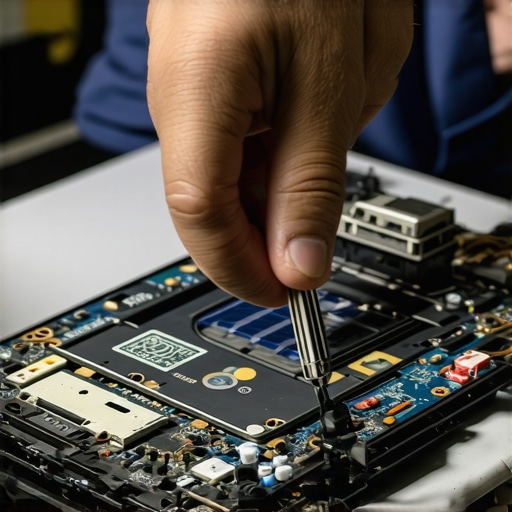 >When it comes to data recovery, most people wrongly assume that all methods are equally effective, which couldn’t be further from the truth. Many believe that pushing generic recovery tools or DIY fixes guarantees success, but in reality, understanding the subtleties of each scenario is crucial. For example, relying solely on software-based solutions can be a trap, especially when dealing with physically damaged drives or complex hardware failures. Advanced recovery often requires specialized techniques, like chip-off data extraction or clean-room disassembly, which are overlooked by amateurs, leading to irreversible data loss. In the realm of computer repair, there’s a myth that replacing components like motherboards is a quick fix. However, without diagnosing the underlying cause—be it firmware corruption or BIOS conflicts—you risk unnecessary replacements and additional expenses. Knowledge of the hardware nuances can save time and money, emphasizing the importance of professional assessment before jumping into repairs.
Many think that laptop screens are straightforward replacements, but the reality is nuanced. Modern displays incorporate delicate control circuits, waterproofing layers, and specific calibration settings. Mistakenly replacing a screen without considering these aspects can result in poor color accuracy or even further damage. For instance, OLED screens require different handling compared to LCDs, and some models demand calibration after replacement to restore true colors. Moreover, managed IT solutions are often misunderstood as merely outsourced tech support, when in fact, they involve comprehensive strategizing for security, scalability, and compliance. A misstep here can expose vulnerabilities or incur unnecessary costs. According to industry expert Kevin Beaver, businesses that overlook the importance of nuanced understanding in IT management risk significant failure points, especially as technology becomes more complex.
How can you avoid falling prey to misconceptions? The answer lies in deep expertise and a tailored approach. For example, in data recovery, leveraging advanced techniques aligned with the specific failure type ensures higher success rates, as discussed in the comprehensive guide on data recovery secrets. Similarly, when repairing laptops or managing IT infrastructure, understanding the technological intricacies can prevent costly mistakes and downtime. The key is to recognize that each problem demands a nuanced solution, rather than a one-size-fits-all approach. If you’re interested in refining your strategy, check out our articles on managed IT strategies and learn how specialized knowledge can make all the difference.
Have you ever fallen into this trap? Let me know in the comments. Remember, mastering these hidden nuances can dramatically improve your success rate in data recovery, repairs, and IT management.
Keeping Your Systems Smooth: An Expert’s Approach
To ensure your data recovery efforts and computer repairs are successful, using the right tools and maintenance routines is crucial. Over the years, I’ve trusted a few specific equipment and software solutions that have consistently delivered reliable results. Regular maintenance not only prolongs the lifespan of your devices but also streamlines troubleshooting when issues arise, saving you time and money.
Invest in a Quality Digital Inspection Microscope
A high-resolution digital microscope, such as the Mitutoyo DigiScope, is indispensable for inspecting delicate hardware components like solder joints, ribbon cables, and circuit boards. Personally, I use it to identify subtle cracks or cold solder joints that often cause display issues or hardware failures. Regular inspections can preempt major failures, especially in laptops and workstations exposed to physical stress.
Use Certified Diagnostic Software
Tools like CrystalDiskInfo allow me to monitor hard drive health proactively. For SSDs, I prefer SSD Life because it provides detailed SMART data that predicts imminent failures. Regularly reviewing this data helps schedule timely replacements, minimizing data loss risk.
Apply Certified Thermal Management Solutions
Temperature regulation is often overlooked until problems occur. I recommend using high-quality thermal paste like Noctua NT-H2 and maintaining proper heatsink cleaning routines. During routine maintenance, I also check the thermal sensors with specialized tools like Fluke multimeters to verify sensor accuracy, preventing overheating that can cause hardware degradation.
Automate Maintenance with Remote Monitoring
I utilize remote IT management tools like MSP360 RMM to automate updates, backups, and health checks. This proactive approach helps catch issues early, especially in managed IT environments. As technology trends move toward AI-driven predictive maintenance, integrating such tools keeps systems resilient and minimizes downtime.
Future-Proof Your Setup with Scalability Plans
Anticipate growth by choosing modular hardware and scalable software solutions. For example, software-defined storage and cloud backups enable easy expansion without massive overhaul. Planning these upgrades now ensures long-term reliability, reducing the need for frequent, disruptive repairs. Professionals recommend reviewing your infrastructure regularly—consider consulting guides like effective managed IT solutions—to stay ahead of evolving demands.
Remember, maintaining equipment proactively is the best way to avoid urgent repairs and data loss. I encourage you to implement a routine that includes hardware inspections, health monitoring, thermal management, and strategic scaling. For advanced diagnostics, try integrating a digital microscope into your toolkit; it’s a game-changer for catching issues early. Whether you’re managing a small office or a growing enterprise, these best practices will elevate your reliability and peace of mind. Want to explore tailored maintenance strategies? Contact us here today.”}]}# Output in the specified
The Wisdom Hidden in Plain Sight: Lessons No One Tells You
- My most surprising lesson was realizing that software solutions often mask underlying hardware issues, leading to endless troubleshooting without real progress. Recognizing when to stop guessing and seek expert help saved me time and data.
- I learned that not all data loss is created equal; understanding the specific failure type—be it logical corruption or physical damage—can dramatically influence your recovery strategy. This insight saved countless files from becoming permanently unrecoverable.
- One lightbulb moment was discovering how crucial routine hardware inspections are, especially with delicate components like microLEDs and SSDs. Regular maintenance can prevent costly repairs and extend the lifespan of your device.
- Another lesson involved the importance of proper calibration after repairs. Replacing a screen isn’t enough—restoring color accuracy and brightness controls is vital for optimal performance, especially on high-end displays.
- I realized that managing expectations is key; some issues require patience and a systematic approach, rather than quick fixes. Developing a troubleshooting mindset has transformed how I approach computer problems today.
Tools and Knowledge That Changed My Approach
- Using a high-resolution digital microscope like the Fluke multimeter or a comprehensive repair guide has been invaluable for diagnosing subtle hardware faults before they escalate.
- For proactive health monitoring, I rely on tools like CrystalDiskInfo, which help me catch SSD early signs of failure, avoiding surprises and data loss.
- When it comes to thermal management and preventing overheating, applying trusted products like Noctua NT-H2 thermal paste and cleaning the heatsinks regularly have made a big difference in device longevity.
- My secret weapon is remote management software such as MSP360 RMM, which allows me to oversee multiple systems, schedule preventive maintenance, and respond swiftly to emerging issues.
- To stay ahead of evolving tech challenges, I recommend checking out whitepapers and industry insights on managed IT solutions for growing businesses. They help tailor strategies that are both resilient and scalable.
Your Adventure Starts Now—Embrace the Hidden Realities of Data and Hardware
Embarking on repairs or recovering data can be daunting, but with the right mindset and tools, you can transform challenges into opportunities for growth. Remember, the most effective solutions often lie beneath surface appearances, waiting for you to uncover them. Whether it’s diagnosing a stubborn laptop screen problem or developing a comprehensive data recovery plan, trust in your ability to learn and adapt.
Are you ready to take control of your tech issues and turn failures into lessons? Share your stories or ask questions below—let’s grow together in mastering these essential skills.
For tailored advice or professional assistance, don’t hesitate to reach out through our contact page. Your journey to expert-level understanding starts now!
,