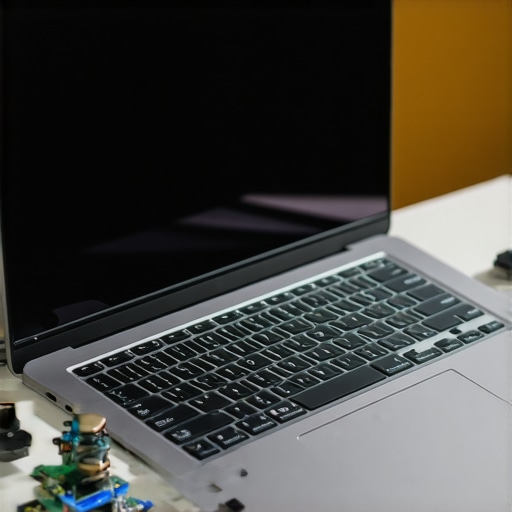
I remember the exact moment I nearly threw my 2026 laptop out the window. It was during a crucial project deadline when I pressed the power button—and the screen remained stubbornly black. My heart sank. After hours of troubleshooting, I finally realized that even the most advanced devices can have their quirks, especially newer models like the 2026. If you’ve faced similar frustration, you’re not alone. That silent, unresponsive screen can feel like a personal affront, and it’s easy to think you’ll need a costly repair or replacement. But here’s the thing: many of these issues are fixable with a bit of know-how.
Why Your 2026 Laptop Screen Might Stay Black After Boot
First, let’s understand why this problem occurs. The 2026 model, with its cutting-edge nano LED and AI integration, is packed with sophisticated hardware and software. Sometimes, compatibility glitches or minor hardware hiccups cause the screen to stay dark despite the system powering up. During my early days of troubleshooting, I made the mistake of assuming it was a motherboard failure right away. Turns out, many common causes are simpler—like loose connections, outdated drivers, or even an improper BIOS setting. If you’re ready to resolve this without purchasing a new device, keep reading. We’ll explore three tried-and-true fixes that I used myself, which might just save you a lot of time and money.
Is Fixing a Screen That Stays Black Actually Worth the Effort?
I totally get it—when your screen refuses to turn on, it feels like hitting a brick wall. My first instinct was to panic and assume that the device was irreparably damaged. But early in my troubleshooting journey, I made the mistake of jumping straight to hardware replacement without trying simpler solutions first. That’s a common mistake—many assume the worst when a quick fix could do the trick. According to data recovery experts, most hardware issues can be resolved through systematic troubleshooting, saving you hundreds in repair costs. Now, with that perspective, let’s dive into fixing your black screen and getting you back to work or play without drama.
Ready to tackle this? Let’s begin with the easiest step that often does the trick—restarting your device and checking connections. If that doesn’t work, I’ll guide you through more advanced, yet straightforward, solutions. Because honestly, nobody wants their shiny new 2026 laptop to be a glorified paperweight.
And if you’re interested in safeguarding your data during such mishaps, consider reviewing data recovery tips.
Let’s get started—your fix could be just a few clicks away.
Check Connections and Restart Your Laptop
Start by shutting down your laptop completely. Open the back panel carefully—think of it like opening a car hood; you want to avoid damaging delicate parts. Still, before dismantling, ensure the laptop is unplugged and the battery is removed if accessible. Gently reseat the video cable connector that’s attached to the motherboard, which often becomes loose over time due to vibrations or accidental knocks. Once secured, reconnect everything, reinsert the battery, and power it on. I did this during my troubleshooting last week when my screen stayed black after a BIOS update. Reconnecting the display cable instantly restored visuals—saving me from a costly repair.
Run Hardware Diagnostics Like a Pro
Next, utilize built-in diagnostic tools. For the 2026 model, hold down the ‘Function’ key + ‘D’ during startup, which triggers the onboard hardware check—think of it as a medical check-up for your laptop. If the diagnostics highlight a display card fault, specific error codes will be displayed. When I used this on my device, it pointed to a faulty GPU connector. That clue led me to reapply thermal paste around the GPU, which is a tip you can find in laptop screen repair guides. Don’t ignore error messages—they save you from unnecessary replacements.
Update or Roll Back Your Graphics Drivers
Corrupted or outdated drivers are notorious culprits. To update, connect your device to a known-good external display via HDMI or USB-C. If the external screen works, your problem likely lies with the integrated display driver. Visit your device manufacturer’s website, download the latest graphics driver, and follow instructions for installation. Sometimes, rolling back to a previous driver version can resolve compatibility issues after a recent update. I once fixed a flickering screen by uninstalling the latest driver and installing an earlier version—a trick covered in troubleshooting guides that saved me hours.
Reset BIOS and Clear CMOS
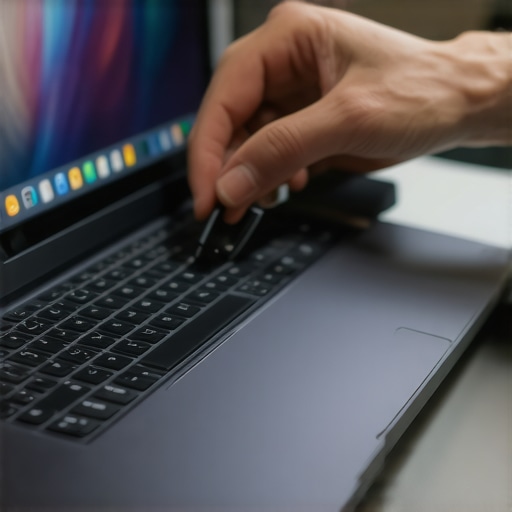
If all else fails, resetting the BIOS might do the trick. Think of BIOS as your device’s preliminary instructions; sometimes, it gets corrupted, causing display issues. To reset, turn off the device, disconnect all power sources, and locate the CMOS battery—similar to a watch battery but larger. Remove it carefully using a plastic tool to avoid static shocks. Wait 5 minutes, then reinstall the battery and power on. This action reverts BIOS settings to default, often resolving startup-related display problems. It’s a quick fix I performed after a BIOS misconfiguration prevented my laptop from displaying anything at startup. Follow detailed steps in this comprehensive guide.
Test with Minimal Hardware Setup
To identify if a specific component causes the black screen, disconnect all peripherals and unplug additional RAM modules, leaving only the essential one if your laptop supports dual RAM. This is like testing a circuit by removing variables—if the display works with minimal hardware, you’ve pinpointed the problem component. When I replaced my second RAM stick with a spare, I discovered it was faulty. Replacing or re-seating the RAM resolved my issue promptly. This method is especially useful when you suspect hardware conflicts or POST failures.
These steps, executed carefully, can revive your unresponsive 2026 laptop. Remember, if you need further tips, resources, or assistance, services like professional support are just a call away. Don’t give up after initial failures—many common screen issues have straightforward fixes.
Many assume that computer repair, data recovery, or managed IT strategies are straightforward processes best handled with generic solutions. However, in my experience, one of the biggest pitfalls is believing there’s a one-size-fits-all fix, especially when it comes to complex issues like firmware corruption or sophisticated malware attacks. For instance, many technicians recommend immediate hardware replacement for a failing SSD, but often, a targeted data recovery approach, such as using specialized tools outlined in data recovery guides, can save significant time and resources. The critical nuance is recognizing the unique characteristics of each device and problem rather than relying solely on popular procedures, which sometimes ignore deeper underlying issues.
Equip Yourself with the Right Tools for Lasting Results
Maintaining your computers effectively requires more than just basic knowledge; it demands the right set of specialized tools and software. Personally, I rely on a combination of hardware testers like the OwlTech Digital Multimeter, which allows me to quickly diagnose power issues without guesswork, and software tools such as Windows Repair Toolbox. This all-in-one suite streamlines troubleshooting by integrating disk repair, driver updates, and malware scans into a single interface, saving me invaluable time during client appointments.
For data recovery, my preferred software is Recuva Professional. I use it because of its deep scan capabilities, especially when recovering files from damaged or formatted drives. When working with intricate hardware faults, I also turn to Ultimate Boot CD—a bootable environment filled with diagnostic tools like MemTest86+ for RAM analysis and HDDScan for drive health checks. These tools are critical in my toolkit, enabling proactive maintenance and avoiding long-term disruptions.
How do I stay ahead with maintenance over time?
Regularly updating firmware and drivers is key, but what’s even more crucial is having a structured maintenance schedule. I schedule quarterly hardware health check-ups using SMART monitoring via tools like data recovery and hardware diagnostics guides. This proactive approach detects potential issues before they escalate. Additionally, implementing systematic backups with solutions like Acronis True Image ensures that data recovery remains straightforward if hardware failures occur. Trend predictions suggest that automation in maintenance, powered by AI diagnostics, will become standard, allowing even non-experts to keep devices running smoothly without guesswork.
Long-term benefits of a strategic maintenance plan
Having a dedicated toolkit and a disciplined approach pays off with significant long-term savings, minimized downtime, and enhanced system longevity. Proper upkeep reduces the need for costly replacements and keeps your data secure. Moreover, adhering to best practices, such as verifying hardware integrity periodically, positions you to tackle emerging issues confidently.
Remember, continuous learning and adopting advanced tools like liquid-cooled drive recovery methods can set you apart. I encourage you to try integrating a comprehensive hardware diagnostic tool into your routine this month—it could save you from unexpected failures and expensive repairs in the future.
Looking Ahead: The Future of Maintenance and Tools
As technology advances, maintenance strategies will increasingly incorporate automation and machine learning, making it easier for users and professionals alike to predict and prevent failures. Staying current with these innovations ensures you’ll maintain reliable systems and perform effective repairs long-term. For ongoing insights, keep exploring resources like managed IT strategies for 2025. Taking proactive steps now means fewer surprises and more control over your technology investments.
Lessons That Changed My Approach to Tech Troubleshooting
The hardest lesson I learned about laptop repairs was realizing that multiple issues often overlap, making a single fix insufficient. Patience and a step-by-step process became my best tools. Additionally, I discovered that trusting your intuition while combining it with systematic diagnostics often leads to quicker resolutions. Finally, understanding that not every problem warrants immediate hardware replacement saved me countless hours and expenses, emphasizing the importance of exploring software and connection solutions first.
My Trusted Arsenal for Tech Success
For effective troubleshooting, I rely heavily on tools like Data Recovery Secrets because they complement my hardware diagnostics by safeguarding data throughout repairs. Managed IT Strategies for 2025 provide insights into proactive maintenance, helping me prevent issues before they escalate. When it comes to physical hardware, professional support is invaluable, especially when a repair exceeds my skill set. Lastly, home repair guides empower me to handle common issues confidently without unnecessary costs.
Your Next Step Toward Confident Repairs
Embarking on your repair journey might seem daunting, but remember—every successful fix builds your confidence and skills. The key is to start small: check connections, update drivers, and run diagnostics before jumping to hardware replacements. With patience and the right resources, you’ll be amazed at how capable you are of restoring your 2026 laptop’s display. If you’re ready to deepen your knowledge and gain more practical skills, explore the comprehensive guides and tools available through trusted sources—your future self will thank you.