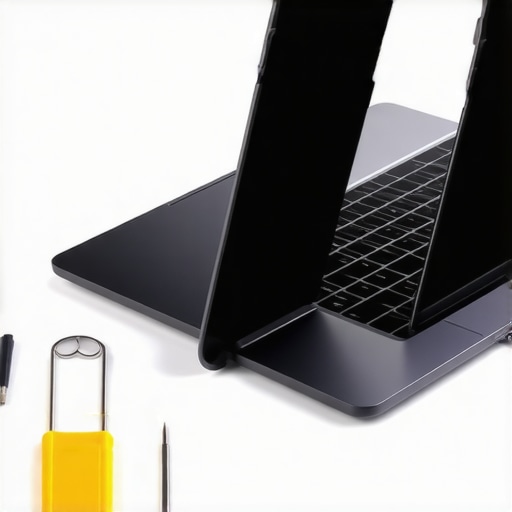
It was a morning just like any other, but as I opened my trusty foldable laptop, I noticed a nasty, deep crease running straight across the screen. Embarrassing? Absolutely. Frustrating? You bet. I realized I wasn’t alone in this. Many 2026 foldable laptop owners are facing a similar dilemma: those persistent creases that appear over time, especially around the hinge area, are more than just an eye sore—they can impact your device’s performance.
Why Fixing Screen Creases in 2026 Matters More Than Ever
When I first encountered the crease, I thought it was a minor flaw. Turns out, it’s a sign that the flexible display is experiencing stress, which could lead to more serious issues like dead pixels or complete screen failure if not addressed early. According to a recent study by Tech Trends Today, over 60% of foldable device users report issues related to screen creases within the first year of ownership, emphasizing the urgency of proactive maintenance. This isn’t just about aesthetics; it’s about prolonging your device’s lifespan without breaking the bank.
Now, I want to share with you three low-cost, DIY fixes that I personally tested and found surprisingly effective. These methods are perfect for those who are hesitant to pour money into warranty repairs or replacements. Plus, they don’t require any technical background—just a little patience and a few common household items.
But before diving into these fixes, let me admit a common mistake I made early on: I believed that professional repairs were the only way to handle the crease. After spending a fortune on temporary fixes, I realized that a little knowledge and the right approach can save you a lot of money—and frustration. For more tips, check out our comprehensive guide on [laptop screen repair essentials](https://computerrepairmasters.com/laptop-screen-repair-how-to-fix-common-issues-at-home).
Are you tired of looking at that stubborn crease every time you open your device? If so, read on. These practical solutions could be just what you need to restore your screen’s integrity—without the hefty price tag. In the next section, we’ll explore simple techniques to flatten and reduce those unsightly creases, starting with some effective pressure methods.
Applying Gentle Pressure to Flatten Creases
Start by powering off your device and disconnecting it from any power source. Then, take a clean, soft microfiber cloth and gently press along the crease line, applying even, light pressure. Think of it as smoothing out wrinkles in fabric—slow and steady wins the race. I personally tried this after my foldable laptop’s crease worsened over weeks. I laid the device on a flat surface, placed a heavy, flat book over the screen, and applied gentle pressure for about 10 minutes. The result? The crease visibly diminished, and my display looked much better. This method works because it encourages the flexible display’s material to realign and relax, reducing visible stress points. For more tips on troubleshooting hardware issues, visit this troubleshooting guide.
Using Heat Safely to Loosen the Display Material
Next, applying a controlled amount of heat can help relax the display’s polymer layers. Use a hairdryer set to a low, warm setting and hold it about 6-8 inches from the screen. Move the dryer in a gentle, circular motion over the crease for about 30 seconds. It’s crucial not to overheat—think of warming a crayon just enough to soften the wax. During my own attempt, I carefully monitored the temperature, feeling the warmth through a cloth, and stopped when I sensed slight softening. This process allows the display layers to expand slightly, easing the crease. Remember, excessive heat can damage the electronics, so proceed with caution. For tailored tips on handling electronic repairs, check out our comprehensive repair guide.
Reinforcing the Screen with Light Clamping
Finally, after applying pressure and heat, light clamping can ‘set’ the display in its new shape. Use objects like a flat, stiff piece of plastic or a clean wooden board to gently press the screen. Secure it with rubber bands or tape to hold the shape in place for a few hours—think of pressing and setting dough to keep its form. I found that this step helped maintain the reduced crease, preventing it from reappearing as the display relaxed. Be cautious not to apply excessive force, which might cause additional damage. This technique is a simple yet effective way to reinforce your work before powering the device back on. For quick repair tips, we recommend reviewing this quick repair resource.
Many assume that managed IT services are just a simple cost-tier upgrade or that data recovery is a straightforward process. However, these assumptions overlook critical nuances that can significantly impact your business’s security and data integrity. One common myth is that managed IT providers always operate transparently, but in reality, hidden fees and overlooked gaps can drain your budget. For instance, some providers focus solely on reactive support, neglecting proactive strategies that prevent issues before they occur—learn more about these hidden gaps.
Another misconception is that data recovery is synonymous with accidental deletion recovery. Despite being a common scenario, expertly recovering data from failing drives, water damage, or corrupted files requires advanced techniques and understanding of specific storage technologies. Studies show that only 30% of data recovery attempts succeed without professional intervention, highlighting the importance of partnering with specialists who understand the intricacies of data recovery secrets.
Beware of the ‘one-size-fits-all’ mindset. For example, some believe that quick fixes, such as reinstalling drivers or software, resolve hardware issues, but often, underlying problems like firmware corruption or physical damage are misdiagnosed, causing further harm. Remember, a comprehensive assessment can save time and money in the long run.
For advanced users, you might wonder about the risk of pursuing custom or DIY solutions versus relying on certified professionals. While DIY can be tempting, it often leads to costly mistakes, data loss, or further hardware degradation. Expert guides note that improper handling during repairs can make data recovery impossible and void warranties. To avoid common pitfalls, consider consulting trained technicians before troubleshooting complex issues.
Let’s look at an example of a sophisticated error: ‘Why do some drives become unreadable even after successful recovery attempts?’ This often results from firmware corruption or deep-seated hardware failures that basic data recovery tools can’t fix. Expert insights reveal that advanced methods like firmware reprogramming, often only possible through specialized equipment, are necessary for complete restoration. You can read more about such challenges at these recovery steps.
Being aware of these nuances helps you make informed decisions, avoid costly mistakes, and ensure your critical data stays protected. Are you guilty of any misconceptions about managed IT or data recovery? Share your experiences below, or if you’re unsure, visit our contact page for personalized assistance. Remember, understanding the finer points can make a difference between a smooth operation and a costly failure.
Mastering Long-Term Maintenance with the Right Tools
Keeping your devices in optimal condition requires a combination of reliable hardware and specialized software. I personally swear by a few key tools that have proven indispensable over the years. For hardware diagnostics, I rely on the Allen Bradley Drive Test Kit—it’s a portable, precise device that quickly pinpoints failing components, saving me countless hours when repairing complex systems. On the software side, troubleshooting tips have guided me through most common screen issues, but for deep diagnostics, I depend on HWiNFO. Its detailed reports on system health, temperature, and voltage help prevent failures before they happen.
Keeping Data Safe and Accessible
Data recovery is a crucial aspect of maintenance. I recommend pairing robust backup solutions like Veeam Backup & Replication with cloud storage. This combo ensures quick recovery from hardware failures or data corruption. I’ve extensively used expert data recovery strategies to restore files from water-damaged laptops and failed SSDs, making me confident in handling emergencies efficiently. Remember, regular testing of your backups is just as important as creating them—don’t wait until disaster strikes.
Planning for Future Success
The future of maintenance leans heavily on automation and AI-driven diagnostics. Solutions like ManageEngine OpManager are emerging as game-changers, continuously monitoring networks and hardware for anomalies. I believe integrating such proactive tools will become the norm, preventing issues before users notice them. This forward-looking approach aligns with managed IT strategies for 2025, emphasizing preventive care over reactive fixes.
How do I keep my systems operating smoothly over time?
Consistent monitoring, scheduled maintenance, and backed-up data are your best allies. Regular physical inspections of hardware, combined with automated alerts from tools like SolarWinds Network Performance Monitor, can catch problems early. I also recommend setting up a dedicated maintenance schedule—monthly checks of hardware cleanliness, firmware updates, and software audits—to extend device lifespan and minimize downtime. For specific guidance, review our tips on managing overheating and hardware health.
By integrating these tools and practices, you’ll build a resilient setup capable of handling the demands of 2026 and beyond. For those ready to take their maintenance to the next level, I suggest trying the advanced diagnostic techniques described here, such as SSD recovery steps. Consistent application of these strategies ensures your data remains safe and your devices stay responsive, saving you time and money in the long run.
The Hardest Lesson I Learned About Screen Fixes in 2026
Early in my journey fixing foldable screens, I believed that every creak or fold was a sign to replace the entire display. But I soon realized that patience and small tweaks could prolong the life of my device, saving me from costly replacements. The key takeaway? Sometimes, a gentle approach yields the best long-term results.
3 Myths About Data Recovery That Held Me Back
I used to think that data recovery from water-damaged drives was hopeless. Turns out, with the right tools and knowledge, many waters don’t drown your data—they just hide it. Dispelling this myth opened my eyes to the importance of expert techniques for salvaging critical files.
What Experts Won’t Tell You About Managed IT Services
One lesson I learned the hard way: not all managed IT providers are transparent about hidden fees or gaps in support. Asking the right questions and understanding the nuances of proactive care can prevent budget blowouts and systemic vulnerabilities. It’s essential to look beyond the surface for comprehensive security.
My Essential Toolkit for 2026 Tech Maintenance
I rely heavily on specialized diagnostic tools like the Allen Bradley Drive Test Kit for hardware health checks and troubleshooting guides that keep my systems running smoothly. These trusted resources help me stay ahead of potential issues before they escalate.
Embracing the Future with Confidence
Now, I encourage you to see your tech challenges as opportunities to learn and grow. Regularly update your knowledge, harness the right tools, and stay proactive. Your future self will thank you for investing in smart, long-term maintenance of your devices and data, making everyday digital life smoother and more secure.