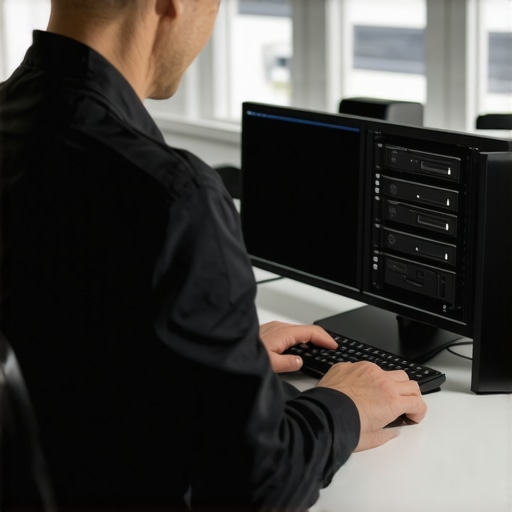
I still remember that sinking feeling when my old laptop suddenly shut down without warning, and I knew a storm was coming—data loss, frustration, wasted time. It hit me hard. I was scrambling to recover files that I thought I had backed up but hadn’t. That lightbulb moment made me realize: I was flying blind when it came to safeguarding my critical data. If this sounds familiar, you’re not alone; many people overlook the importance of effective data recovery strategies until it’s too late.
Why Protecting Critical Files Should Be Your Top Priority Today
In my journey as a tech enthusiast, I’ve seen firsthand how a minor mistake can lead to catastrophic data loss. Did you know that according to a study by Backblaze, 60% of small businesses experience data loss each year? That’s a staggering number! The reality is, whether you’re an individual working from home or a small business owner, your files—photos, reports, client records—are more valuable than you think. Losing them can mean not just inconvenience but significant financial setbacks or irreversible loss.
Early missteps, like neglecting regular backups or relying solely on cloud storage without additional safeguards, can turn into nightmares. I once trusted a single external drive for all my backups—until it failed unexpectedly. That taught me a harsh lesson: redundancy and a solid recovery plan are essential. Relying on just one method is like building a house on quicksand. For comprehensive protection, understanding effective data recovery strategies is key. You can learn more about this in this detailed guide.
Is Data Recovery Technology Too Good to Be True?
Admittedly, I was skeptical at first. I thought, “Surely, recovery tools are only as good as their hype.” My mistake was underestimating the power of modern data recovery methods. When my hard drive crashed, I almost gave up. But I discovered solutions that salvaged what I feared was lost forever. Don’t make my mistake—there’s real hope. If you’re wondering whether data recovery is worth the effort, I’d tell you it’s a game-changer, especially when combined with managed IT services that bolster your overall security, like those discussed here.
So, if you’ve faced the frustration of lost files or worry about it happening to you, stay tuned. In the next sections, I’ll walk you through proven strategies to keep your critical data safe and recoverable. Because in the digital world, prevention isn’t just better than cure—it’s essential for peace of mind.
,
Initiate a Robust Backup System
My first action was to establish a backup routine that worked like a safety net. I used an external hard drive combined with cloud storage services, mirroring the redundancy principle. To do this effectively, schedule regular backups, such as weekly or daily, depending on your data’s criticality. Automation tools can simplify this process, ensuring you don’t forget. For instance, I set up automated backups through software that syncs my most vital files without manual intervention. This way, even if a disaster strikes, your data remains intact and recoverable, like a firefighter having a ladder ready before the fire starts. Learn more about effective backup practices in this guide.
Assess Your Hardware’s Vulnerability
Next, I examined my hardware’s weak points, especially my hard drive and laptop screen. Think of your hardware as the foundation of a building—if it’s shaky, everything else collapses. I tested my hard drive’s health using diagnostic tools, which is akin to giving your vehicle a comprehensive check-up before a long trip. For screen issues, I referenced these troubleshooting tips to identify common faults, such as flickering or dead pixels. Preventative maintenance like cleaning connectors and updating drivers can prevent failures. A proactive approach saves you from costly repairs or data loss later, much like a mechanic catching issues early.
Implement a Reliable Data Recovery Plan
In a moment of urgency, I needed to restore a corrupted file. I used specialized data recovery software, which functions like a skilled surgeon excising a tumor—delicately retrieving what appears lost. I prefer solutions that support deep scan modes, like those in top data recovery tools, to maximize chances of recovery. During the process, I avoided writing new data onto the disk to prevent overwriting, akin to not adding paint to a wet canvas. Patience is key; quick fixes often lead to data being unrecoverable. For complete peace of mind, consider consulting experts if recovery gets complicated—machines can only do so much. Visit this resource for expert strategies.
Strengthen System Security with Managed IT Services
To minimize future risks, I adopted managed IT solutions that act like a security guard for my digital assets. These services offer real-time monitoring, automatic updates, and threat detection, akin to having a 24/7 security system in your business or home. I integrated services from providers recognized in this comprehensive guide. They simplify complex tasks, freeing your time and reducing vulnerabilities. Regular audits and vulnerability scans identify weak points, just like a security patrol checks for intrusions. The benefits of managed IT are not just preventative—they also streamline operations and ensure compliance, making your digital environment resilient against unforeseen disasters.
Regularly Review and Update Your Strategies
Finally, I learned that static plans become obsolete quickly. I scheduled quarterly reviews of my backup routines, hardware integrity, recovery procedures, and security measures. Think of it as tuning your guitar—small adjustments keep everything sounding perfect. Staying informed about emerging threats and technological advancements allows you to adapt proactively. Document your procedures, so in a crisis, you can follow a clear, step-by-step plan without panic. Remember, the goal is to create a system that is as resilient and adaptable as possible—like a fortress with ever-evolving defenses.Many individuals believe that replacing a laptop screen or recovering lost files is a straightforward task, but the truth is far more nuanced. A widespread misconception is that DIY fixes are always cost-effective, yet rushing into repairs without proper diagnostics can lead to further damage and increased costs. For instance, attempting to fix a fused screen without understanding the underlying hardware issues may worsen the problem, making professional help a wiser choice. Moreover, when it comes to data recovery, many assume that software alone can salvage all data; however, complex failures often require expert intervention and specialized tools. Relying solely on flashy recovery software can create a false sense of security, leading to missed opportunities for successful restoration.
Why does understanding the technology behind these processes matter to IT professionals?
Because advanced issues often involve subtle hardware degradation or corrupt data structures that only in-depth diagnostics can identify. Experts like those behind this guide emphasize that a strategic approach—combining proper diagnosis, specialized tools, and contingency planning—is essential. Similarly, in managed IT, many assume that regular updates alone guarantee security. In reality, new vulnerabilities emerge constantly, and proactive monitoring and customized security protocols are crucial. Relying only on reactive measures can leave systems exposed. This is why integrating comprehensive strategies through managed IT services ensures resilience. Lastly, a common trap is underestimating the importance of preventative maintenance. Neglecting routine hardware checks or ignoring warning signs can escalate minor faults into catastrophic failures. Staying ahead of these issues by adopting a proactive mindset and leveraging expert advice makes all the difference. Remember, effective computer repair and data security hinge on understanding the full scope of these intricacies, not just the surface-level fixes. Have you ever fallen into this trap? Let me know in the comments.
Invest in Quality Diagnostic and Maintenance Tools
For consistent performance, I rely heavily on a few specialized tools that have proven their worth over time. First, a high-quality USB POST card is invaluable for troubleshooting motherboard issues. I personally use the PCIe-based models, such as the PostEE, which provides comprehensive POST code analysis, helping identify hardware failures quickly without dismantling the entire system. Additionally, a digital multimeter is essential for testing power supplies and circuits accurately, avoiding unnecessary replacements. For software, I prefer using CrystalDiskInfo for drive health monitoring—it’s a free tool that offers SMART data insights in an easy-to-understand interface, helping me catch failing drives before data loss occurs. Combining hardware diagnostics with smart software monitoring empowers me to take proactive steps, minimizing downtime and extending hardware lifespan.
Utilize Advanced Data Recovery Software
When data recovery is needed, I opt for tools that offer deep scan capabilities to retrieve inaccessible or corrupted files. Recuva is a good starting point for simple recoveries, but for more complex scenarios, I turn to Disk Drill. Its deep scan mode meticulously searches for remnants of lost files, even after severe corruption or formatting. I designed my workflow to first create a disk image using the software’s clone feature, ensuring I have a safe copy before attempting recovery—this process has saved countless files without risking further damage. Remember, the success of recovery often hinges on avoiding writing new data onto the affected drive; this step requires patience and the right tools. Consulting expert guides like this comprehensive resource can elevate your recovery strategies.
Stay Ahead with Managed IT Services
In my experience, having a proactive managed IT provider has transformed the way I maintain my systems. Modern managed services go beyond routine updates—they offer real-time threat monitoring, vulnerability assessments, and automated patch management. I personally subscribe to services detailed in this strategic guide which keeps my infrastructure resilient. These services help catch issues early—be it hardware vulnerabilities or security holes—before they escalate. As technology advances, the trend is moving toward AI-driven monitoring and predictive maintenance, which could revolutionize system upkeep in the next few years. If you’re serious about reducing downtime and preventing data loss, exploring comprehensive managed IT solutions is a wise move. To implement a tailored plan, contact experts who can assess your specific needs, such as those at our contact page.
How do I maintain system stability over time?
Maintaining long-term system stability involves regular hardware inspections, firmware updates, and adopting a solid maintenance routine. Set calendar reminders to run diagnostic tools monthly, check for firmware updates directly from hardware manufacturers, and keep software patched to the latest versions. Implementing automated alerts—using tools like HWMonitor or SpeedFan—helps track temperature, voltage, and fan speeds, preemptively signaling potential failures. Moreover, establishing a routine backup and disaster recovery plan ensures that, even if unexpected issues arise, data can be restored quickly. Embracing automation in your maintenance process reduces human error and keeps your systems running smoothly, making surprises less frequent. Look into best practices outlined in this resource for detailed guidance. Don’t forget—investing time in regular upkeep now pays dividends by avoiding costly repairs later. Why not try setting up automated temperature alerts this week and see how it helps your system stay cool under pressure?
Lessons From the Front Lines of Data Protection
One of my most eye-opening realizations was that even the most sophisticated recovery tools can’t compensate for neglecting proactive maintenance. The moment I ignored routine hardware checks, a small issue snowballed into a major failure. The big lesson? Consistent vigilance beats reactive fixes every time. Watching systems deteriorate without intervention taught me that mastering data protection isn’t just about tools—it’s about habits born from experience and ongoing learning.
Another insight was how overconfidence can blind us to vulnerabilities. Trusting my system without layered backups or security measures was a mistake I won’t repeat. Real security requires a holistic approach: regular backups, hardware assessments, updated security protocols, and expert consultations. This comprehensive mindset has become the backbone of my success in safeguarding critical files and ensuring system resilience.
Finally, I realized that understanding the underlying technology empowers faster, more effective responses. Whether troubleshooting a stubborn laptop screen or salvaging a corrupted data set, familiarity with hardware diagnostics and recovery software accelerates decision-making. Investing time in learning and experimenting with these tools transforms panic into control—an invaluable skill for any tech enthusiast or professional.
My Go-To Arsenal for Tech Success
Over years of hands-on experience, I’ve found a handful of tools that consistently deliver—reliable, efficient, and user-friendly. For hardware diagnostics, a high-quality USB POST card like PostEE provides instant insights without teardown. For monitoring drive health, CrystalDiskInfo became my go-to because it offers SMART data at a glance, alerting me to impending failures before they happen. These tools underpin my proactive approach, saving time and money while providing peace of mind.
When data recovery becomes critical, software like Disk Drill shines. Its deep scan capabilities and disk imaging features make complex recoveries manageable—even for the toughest cases. I always ensure to clone drives before attempting recovery, avoiding further data loss. Knowing the best software, combined with expert support when needed, positions me to recover files swiftly. Dive deeper into advanced strategies in this essential guide.
Embrace the Power of Partners and Knowledge
Technology is evolving rapidly, and staying ahead means leveraging expert insights. Partnering with managed IT services, as detailed in this comprehensive guide, offers continuous monitoring, threat detection, and security upgrades that I simply can’t match alone. These services function as a safeguard, catching issues early and freeing me to focus on what matters most—growing and innovating confidently. For any serious user, marrying technology and expertise isn’t a luxury; it’s a necessity.
Your Next Step to Digital Confidence
Building a resilient system isn’t an overnight task, but every step—be it regular backups, hardware checks, or partnering with managed IT providers—brings you closer to peace of mind. It’s about creating a fortress for your critical files and ensuring your hardware performs at its best. Start small today: schedule routine maintenance, explore trusted recovery software, or consult with specialists. Remember, the more proactive you are now, the fewer surprises you’ll face tomorrow. Empower yourself with knowledge, tools, and support, and watch how your digital confidence grows every day.