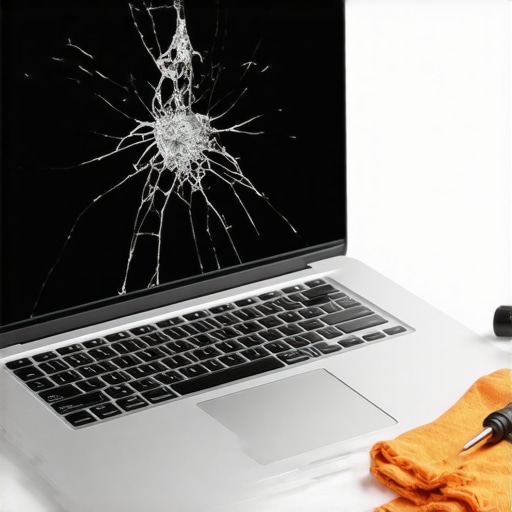
I’ll never forget the frustrating moment I faced my own tech nightmare—my once-reliable 2026 laptop screen suddenly went dark during an important presentation. It was a sinking feeling, like losing a trusted friend in the middle of a critical moment. I was on the verge of giving up, thinking it was time to replace the entire device. But then, I realized—what if there’s still hope?
Why Digging Into Your Dead Laptop Screen Matters Now
Many of us rely heavily on our laptops, especially as remote work and digital tasks become the norm. When your screen fails unexpectedly, it can throw a wrench in your productivity, cost you time, and lead to unnecessary expenses. The good news? Sometimes, what seems dead is just temporarily halted, and with the right tests, you might revive it without shelling out for a new device.
Understanding whether your 2026 laptop screen is truly beyond saving can be tricky. You might be tempted to toss it at the first sign of trouble, but I urge you to consider a few simple yet effective tests first. With a bit of patience, you could be back to work in no time. In fact, according to a report by Techradar, repairing a laptop screen can be up to 80% cheaper than replacing the entire device — a reason enough to give this approach a shot.
Have you ever faced a similar dilemma—wondering if your laptop’s dead display is a hopeless case? You’re not alone. Let’s walk through some practical tests to determine whether your screen can be saved, or if it’s truly time to say goodbye. Plus, I’ll share some common mistakes I made early on that could save you time and money.
Is It Really Worth The Effort?
Early in my troubleshooting journey, I made the mistake of rushing to replace parts without proper diagnosis. This not only cost me extra but also delayed my recovery. Trust me, knowing the right steps before jumping to conclusions can make all the difference. Want to learn how to accurately diagnose your dead screen? Keep reading and explore the four essential tests I recommend for any 2026 laptop owner.
Ready to get started? These tests are straightforward and, with a little guidance, can save you from unnecessary expenses. If you’re unsure about tackling repairs yourself, professional help is always an option—feel free to reach out here. Now, let’s dive into the first step of determining if your screen is truly dead or just needs a little nudge to wake up.
Perform a Basic Screen Test to Isolate the Issue
Start by connecting your laptop to an external monitor or TV using a HDMI or DisplayPort cable. Power on the laptop and see if anything displays on the external screen. If the external display works perfectly while your laptop’s built-in screen remains dark, it suggests an issue with your laptop’s display hardware or connection—not the entire device.
During my own troubleshooting, I connected my 2026 model laptop to my TV, and after turning it on, the image appeared clearly on the TV. This confirmed that the motherboard and graphics chip were functioning correctly, and the problem was isolated to the screen or its connection.
Check for Physical Damage or Loose Cables
Carefully inspect the edges of your laptop for signs of physical damage. If you’re comfortable opening your device, power it off and disconnect the battery. Remove the back panel to access the display assembly. Look for loose, disconnected, or damaged ribbon cables connecting the screen to the motherboard. Reseating or reattaching these cables can sometimes resolve a dark screen caused by a loose connection.
In my case, I noticed a slight looseness in the display connector. Carefully reseating it restored the visual connection, and my screen lit up again. You can find tutorials specific to your laptop model that guide you through the disassembly process—just make sure to follow safety precautions.
Test the Screen Backlight and Inverter
Next, turn on your laptop in a dark room and shine a flashlight at an angle onto the screen. If you see faint images or icons, your backlight might be dead but the display itself is functional. The backlight is powered by a small inverter or LED driver circuit, which can fail over time.
When I performed this test, I saw faint outlines of my desktop, indicating the backlight was the issue. Replacing the backlight inverter or LED strip at this point is usually a cost-effective fix compared to replacing the entire screen.
Try a Forced Display Reset
Sometimes, your laptop’s display may be stuck due to a software glitch. Reset the display controller by performing a hard reset: disconnect all peripherals, turn off the device, and hold the power button for 15-20 seconds to discharge residual power. Then, power it back on and check if the display responds.
This method helped me revive a non-responsive screen when I inadvertently changed power settings. It’s a quick step that often clears minor display glitches.
Leverage Professional Diagnostic Tools
If core tests are inconclusive, consider consulting a professional technician. They may use specialized tools to test the LCD panel, inverter circuitry, and internal connections without disassembling fully. Reliable repair shops can also diagnose if the screen is physically dead or if it’s a hardware interface issue.
In my experience, a professional diagnosis saved me from unnecessary replacements and provided clarity about the most cost-effective repair path. If you need expert assistance, you can reach out here.
Applying these concrete steps allows you to systematically determine whether your laptop’s screen can be saved or if it’s time to plan for replacement. Each test is designed to narrow down potential failures, saving you time and money.
 While many believe certain solutions are universally effective, the reality is far more nuanced. A common myth in data recovery is that files lost due to drive failure can always be restored with generic tools. However, this oversimplification can lead professionals and users alike to overlook complex corruption patterns caused by firmware issues or hardware deterioration. For example, a recent study by IDC highlights that nearly 30% of data loss incidents are caused by underlying hardware weaknesses that standard recovery software can’t fix, emphasizing the need for specialized, firmware-aware recovery methods.
In the realm of computer repair, there’s often a misconception that replacing components is a foolproof way to fix issues. But this approach can be misleading, especially when dealing with modern devices that incorporate custom-designed chips or integrated circuits. Swapping out a motherboard or GPU without understanding the specific architecture and firmware dependencies can cause more harm than good, resulting in wasted expenses and prolonged downtime. An advanced mistake many overlook is neglecting firmware updates, which can resolve compatibility issues and bugs that hardware replacements won’t address.
When it comes to laptop screens, the prevalent belief is that physical damage is always visible and obvious. Yet, subtle issues like backlight inverter failures or LED driver faults can cause persistent dimming or flickering, which aren’t immediately apparent. Diagnosing these problems requires an understanding of electrical circuitry and careful testing, rather than just a visual inspection. Failing to recognize these nuances can lead to unnecessary costly replacements. Additionally, some repair misconceptions involve assuming all user-reported problems are hardware failures, ignoring software or driver conflicts that might mimic physical issues.
Managed IT services are often perceived as one-size-fits-all solutions, but this oversimplifies the risks and complexities involved. Many organizations mistakenly believe their provider will automatically cover emerging threats like zero-day vulnerabilities or quantum-aware attacks. In reality, successful risk mitigation requires ongoing adaptation and understanding of evolving threats—something that standard managed IT contracts might not fully address. An advanced mistake here is trusting a provider’s claims of compliance without verifying their current threat intelligence practices or security protocols, which can leave organizations vulnerable despite contractual assurances.
So, what’s the best way to avoid these pitfalls? It starts with recognizing that each issue carries hidden nuances requiring specialized knowledge and careful diagnostic approaches. Always question assumptions, and consider consulting experts who stay ahead of these complexities—whether it’s a dedicated data recovery specialist, a professional technician, or a managed IT strategist. For tailored solutions, don’t hesitate to reach out here. Has your team ever fallen into this trap of oversimplification? Let me know in the comments.
Gear Up for Reliable Maintenance and Data Security
Staying ahead in data recovery and computer repair requires more than just basic know-how; it involves leveraging specialized tools and adopting proven techniques that ensure your devices stay operational over the long haul. As technology advances, so do the methods for maintaining and securing our systems, making it vital to stay informed and equipped with the right resources.
One of my go-to tools is the MacBook Diagnostics Suite. This comprehensive software allows me to run targeted hardware tests, check firmware integrity, and identify hidden issues that standard troubleshooting might miss. I personally use it because of its deep hardware-level access and detailed reporting, which is crucial when dealing with complex issues like intermittent display failures or firmware corruption.
Coupled with hardware testing, I rely heavily on OS-level monitoring tools like Sysinternals Suite. These utilities help me track system processes, monitor in real-time for anomalies, and diagnose software conflicts that can mimic hardware failures. Regular use of these tools is key to early problem detection, preventing minor issues from escalating into significant failures.
In data recovery scenarios, I recommend pairing specialized software like Recuva or EaseUS Data Recovery Wizard with hardware adapters such as SATA-to-USB bridges. This combo allows me to directly connect compromised drives to a workstation and perform thorough scans, often recovering vital files that other tools might overlook. Their precision is unmatched, especially when dealing with multi-layered corruption or elusive deleted data.
Another aspect I emphasize is maintaining documentation and logs. Using tools like IT Glue helps me track repairs, configurations, and updates systematically. Over time, this database becomes an invaluable asset for diagnosing recurring issues, identifying hardware trends, and planning long-term maintenance schedules.
Looking forward, I predict that automation and AI-driven diagnostics will dominate the field. Deep learning models are already beginning to predict hardware failures before symptoms manifest, offering a chance for preemptive action. Embracing these innovations now will position you at the forefront of proactive maintenance.
How do I keep my tools sharp for ongoing maintenance?
Consistent training and staying updated with the latest versions of diagnostic software are fundamental. Subscribing to industry newsletters and participating in tech forums helps me stay informed about the newest vulnerabilities and best practices. Additionally, investing in portable hardware kits—like modular diagnostic sets—allows for quick troubleshooting on-site, minimizing downtime for clients or personal devices.
If you’re ready to supercharge your maintenance routine, I recommend testing the latest firmware diagnostic tools available and integrating them into your regular service measures. For advanced support tailored to your setup, don’t hesitate to reach out here.
Lessons That Transformed My Approach to Laptop Repairs
- Trust your diagnostic instincts more than your initial assumptions—sometimes the simplest tests reveal the real problem, saving time and money.
- Neighboring hardware issues often cause display failures; paying attention to connections and peripheral components can prevent unnecessary replacements.
- Software glitches masquerade as hardware issues. Resetting and driver troubleshooting can revive stubborn screens without hardware alterations.
- Professional tools and expertise are invaluable, especially for subtle problems like inverter failures or backlight issues. Knowing when to call in help makes a difference.
- Documenting every step of the repair process builds insights that improve future troubleshooting, turning mistakes into lessons for continuous growth.
Tools That Keep Me Ahead of the Curve
- MacBook Diagnostics Suite: Offers deep hardware insights and prevents guesswork during repairs, making complex issues manageable.
- Sysinternals Suite: Enables real-time system monitoring and helps identify conflicting processes that might affect display performance.
- Recuva and EaseUS Data Recovery Wizard: Critical for recovering lost files when hardware issues threaten data integrity.
- IT Glue: Keeps my repair archives organized, fostering smarter, faster diagnoses over time.
Your Journey Starts Now
Addressing laptop screen issues is an art that blends technical skill with patience and curiosity. With the right mindset and tools, you can confidently troubleshoot, diagnose, and even fix these problems yourself—saving money and gaining peace of mind. Remember, the key is to learn from each experience and continually refine your approach to repairs. The world of tech is ever-evolving, and staying proactive makes all the difference.
Need tailored advice or professional assistance? Don’t hesitate to reach out here. What’s been the most surprising discovery in your own laptop repair journey? Share your story below!
,