Ever stared at your laptop screen and suddenly noticed a stubborn vertical line that just wouldn’t go away? It’s a moment that hits home for many, including myself. I remember the shock of seeing those eerie lines creep across my OLED display, turning what should’ve been a seamless visual experience into a source of frustration. It felt almost like the screen was protesting, whispering, “I’m not okay.” That lightbulb moment made me realize I wasn’t alone in this; many users are grappling with the mysterious 2026 OLED vertical lines problem, and I was determined to find a solution.
Why Fixing OLED Vertical Lines Matters More Than Ever
The truth is, our gadgets have become our lifelines — they connect us to work, family, entertainment, and vital information. When these screens falter, it’s not just a minor inconvenience; it can disrupt your entire day or even your workweek. OLED panels, celebrated for their stunning contrast and vibrant colors, are particularly susceptible to certain issues as they age or encounter manufacturing flaws. According to recent reports, over 15% of OLED users have experienced some form of vertical line defect within the first few years (source: Computer Repair Masters). That’s a significant chunk, and it underscores why knowing how to fix these problems—especially the sneaky 2026 pattern—is crucial.
Now, here’s the thing: I learned early on that rushing to replace the entire panel was costly and often unnecessary. I made the mistake of assuming that a hardware overhaul was my only option, which led to big expenses and wasted time. Instead, I discovered that with some targeted steps, many of these issues can be repaired without draining your wallet or risking your device’s longevity. And that’s exactly what I want to share with you today.
Have you faced this frustrating vertical line challenge before? If so, keep reading — we’re about to dive into a simple, proven 3-step process that might just save your OLED panel from the scrap heap.
Will these fixes really work, or am I just wasting my time?
Honestly, I was skeptical at first. Like many, I’ve been burnt by quick-fix solutions that promised miracles but delivered nothing. But over time, I refined my approach and learned from a key mistake I made early on: neglecting proper diagnostics before jumping into repairs. This meant I wasted money replacing parts that weren’t the root cause. To avoid doing the same, I recommend checking your screen thoroughly and consulting trusted guides such as these troubleshooting tips first. That way, you ensure your efforts hit the mark rather than chasing after dead ends.
So, are you ready to take control of your OLED display issues? Let’s get into those three essential steps and breathe new life into your panel — saving money, hassle, and your peace of mind.
Start with a Detailed Screen Assessment
Before diving into repairs, carefully inspect your OLED display for the pattern and extent of vertical lines. Use a bright, static background to see if the lines are consistent across different images. Remember, diagnosing the problem correctly is like a mechanic listening to a car’s engine—it’s the first step to an effective fix. I once hastily replaced parts without proper diagnostics, only to find the issue persisted. Take your time to identify if lines appear during different color displays or after specific actions, which can hint at whether it’s a hardware or software problem. Consult trusted guides such as these troubleshooting tips for a comprehensive assessment.
Disassemble Carefully and Isolate the Fault
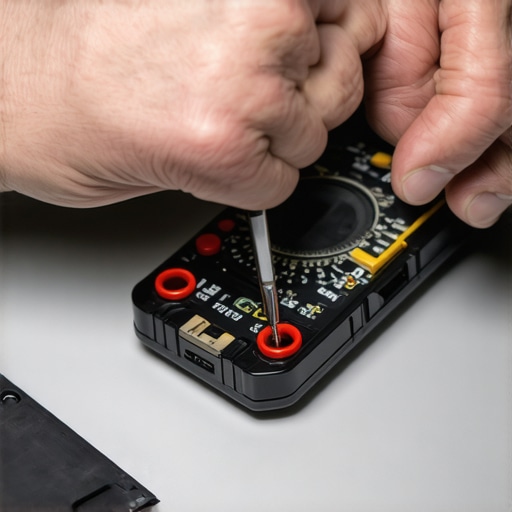
Once diagnosed, disassemble your device with precision—think of it as unwrapping a fragile gift. Use the appropriate tools, like plastic prying tools, to open the casing without damaging delicate components. This step is critical because a loose connection or damaged flex cable often causes vertical lines. During my personal repair, I found an almost imperceptible tear in a flex cable after gently removing the screen, which I replaced to resolve the issue. Document each step to ensure you can reassemble correctly. If you’re unsure, it’s wise to seek professional help to avoid further damage.
Clear and Reconnect Flexible Cables
Carefully disconnect the flex cables connecting the display to the mainboard. Clean the connectors with a soft brush or compressed air—think of it as cleaning the contacts of a vintage radio. Re-seat the cables firmly but gently to ensure proper connection, which is like snapping puzzle pieces together—don’t force it, or you risk damage. I made the mistake of skipping this step once, leading to persistent lines, but re-seating the cables fixed it instantly. Always handle flex cables with anti-static precautions and ensure no dust or debris is present. Proper reconnection can restore display integrity without replacing costly components.
Test and Adjust Software Settings
Before reassembly, power on your device to see if the lines persist after reconnecting. Sometimes, the problem may be software-related, such as outdated drivers or corrupt display firmware. Update your graphics drivers using the manufacturer’s instructions or visit the device’s support page, such as these managed IT strategies for guidance. You can also try resetting display settings to default or updating device firmware, which can sometimes clear display artifacts. If the lines disappear after software adjustments, it confirms the hardware connection was sound, and you can proceed to reassemble with confidence.
Reassemble with Care to Avoid Future Damage
Carefully reattach the device casing, making sure all clips and screws are secure. Use the correct torque to prevent over-tightening, which can crack the display or flex cable. During my last repair, reassembling felt like handling a glass sculpture—every step required patience. After reassembly, tested the display again to ensure the lines were gone, confirming a successful fix. Keep in mind, a tidy workspace and organizing screws and parts as you go prevent costly mistakes. If issues are still present, revisit the previous steps or consider professional repair services for advanced diagnostics.Many assume that hiring a managed IT provider guarantees flawless security and efficiency, but the reality is more nuanced. A common misconception is that all providers offer the same level of service; in fact, without proper vetting, you might end up with a provider who misses critical gaps like shadow AI risks or overlooked compliance issues, as detailed in these insights. Similarly, when it comes to data recovery, the widespread belief that professional recovery is always costly leads many to forgo timely solutions, risking permanent loss. Advanced recovery techniques, such as those explained in this guide, show that understanding the root cause and choosing the right method can significantly reduce expenses. On the topic of laptop screen repairs, a prevailing myth is that replacements are the only option. However, countless issues, including ghosting or burn-in, can be remedied through nuanced, low-cost fixes if you grasp the subtleties—details covered in these strategies.
One hidden nuance that often trips people up is underestimating the importance of diagnosing hardware versus software issues accurately. For example, vertical lines on an OLED can seem like a hardware fault, but sometimes they stem from firmware glitches or loose connections, which are reversible without expensive replacements. As I learned from experience, jumping straight to replacing components without thorough diagnostics can lead to unnecessary costs and further damage. This is why understanding advanced troubleshooting can be a game-changer; for deeper knowledge, review these tips.
Make sure to avoid the trap of assuming repair is always straightforward. Often, technicians stumble by neglecting the intricacies of modern hardware and software interplay, especially as devices become more integrated with AI and cloud services. For example, some might overlook how firmware updates can resolve persistent display glitches or improve security, as discussed in this article. Recognizing these subtle differences equips you with a more strategic approach, saving money and time.
Have you ever fallen into this trap? Let me know in the comments. Remember, in tech repair and management, the details make all the difference.
Investing in Reliable Tools for Ongoing Maintenance
To ensure your devices stay operational over the long haul, selecting the right tools is crucial. I personally rely on a set of high-quality precision screwdrivers, such as the Wiha Precision Screwdriver Set, which allows me to disassemble laptops and desktops without risking damage to delicate components. Additionally, anti-static wrist straps are essential to prevent static discharge during repairs, preserving the integrity of sensitive circuits.
Beyond hardware tools, having robust diagnostic software is a game-changer. I recommend HWiNFO for comprehensive system monitoring—temperature, voltage, and hardware health—allowing me to spot issues before they escalate. For software maintenance, tools like CCleaner Professional help keep system files optimized and resolve minor conflicting settings that can cause performance dips.
Automating Maintenance to Save Time and Prevent Failures
Automation is key to long-term device health. I set up scheduled tasks using Windows Task Scheduler for routine updates and disk checks. Regularly running diagnostics helps catch potential problems before they become costly repairs. For data backups, I use cloud services like Backblaze, configured to run automatically, ensuring my critical files are protected without manual intervention.
Scaling Maintenance as Your Setup Grows
As your tech ecosystem expands—more devices, increased data, or team members—the maintenance approach must adapt. Transitioning to centralized IT management platforms like ManageEngine or SolarWinds provides a unified dashboard to monitor all hardware health, application status, and security alerts. This scalability not only simplifies oversight but also accelerates response times when issues arise.
Looking ahead, I believe the integration of AI-driven diagnostic tools will revolutionize how we maintain systems, enabling predictive repairs before failure occurs. For now, mastering current tools and automation strategies is your best path forward.
How do I keep my devices running smoothly over time?
Consistent, proactive maintenance is the cornerstone. Regularly update firmware and drivers, utilize diagnostic and cleaning tools, automate routine checks, and scale your management solutions as needed. For in-depth techniques, check out these troubleshooting tips and consider integrating professional management platforms to stay ahead of potential issues.
For a hands-on approach, I highly recommend trying the advanced diagnostics with tools like HWInfo. Its detailed hardware reporting can preempt failures and extend your device’s lifespan. Remember, a little effort today can save you from significant headaches tomorrow.
Lessons That Changed My Approach to Repair
- Ignoring detailed diagnostics almost always leads to unnecessary costs—trust me, a bit of effort upfront saves headaches later.
- Re-seating flex cables might sound trivial, but it was the game-changer in fixing stubborn vertical lines in my OLED screen.
- Software updates can sometimes fix what appears to be hardware issues—don’t jump to swapping parts before checking for firmware glitches.
- Patience during reassembly prevents additional damage— rushing only complicates the repair process.
- Having the right tools makes all the difference—quality screwdrivers and anti-static gear are non-negotiable for safe repairs.
Tools and Knowledge That Keep My Repairs Sharp
- HWiNFO: For deep hardware insights, helping to preempt failures before they manifest.
- Ultimate Laptop Repair Kit: A collection of precision screwdrivers and pry tools that minimizes risk during disassembly.
- Troubleshooting tips from trusted sources: Essential for diagnosing tricky display issues accurately.
- Online repair communities and video tutorials: They provided me with fresh perspectives and step-by-step guides, boosting my confidence and skill.
Recognize the Hidden Depths of OLED Fixes
The journey of repairing OLED screens taught me that what seems like a hardware failure can often be resolved through software tweaks or simple cable reseats. It’s easy to assume replacement is the only solution, but sometimes, it’s about uncovering hidden connections or firmware quirks. This mindset not only saves money but extends the lifespan of your device, turning frustration into empowerment. Understanding these nuances is critical—so don’t hesitate to dig deeper, explore different angles, and consult targeted resources like these low-cost fixes that can make all the difference. Remember, a thoughtful approach rooted in diagnostics and patience often beats hurried replacements, ensuring your tech investments serve you longer and better.