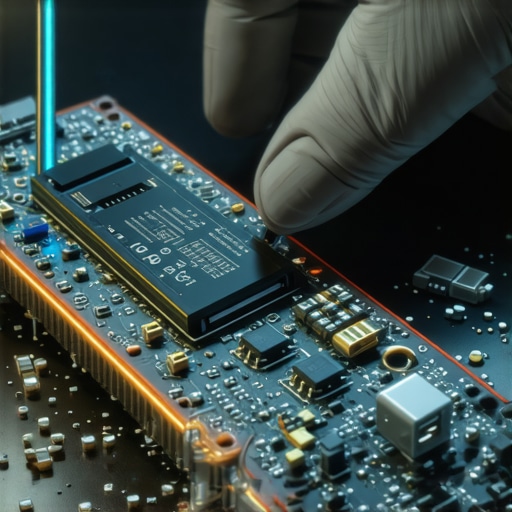
I’ll never forget the moment I realized my heart was pounding—the tiny, sleek 2026 Nano-Flash Drive I had trusted for years, now a mangled, crumpled mess after an accidental drop. It was like watching a precious photo album slip through my fingers, except this time, it was all digital memories and vital work files at risk. That sinking feeling, the fleeting hope that the data might still be recoverable, sparked a journey I didn’t expect to undertake. If you’ve ever faced a similar mishap, you know how helpless, frustrated, and downright desperate it can feel.
Facing Data Loss Head-On After a Nano-Disaster
Here’s the truth—recovering data from a smashed 2026 Nano-Flash Drive isn’t just about clicking a few buttons or running basic recovery tools. It’s about understanding what went wrong, recognizing the hidden risks, and applying the right techniques to claw back what seems lost forever. The good news? Having been there myself, I can tell you that not all hope is lost, and with a clear game plan, you might just surprise yourself with what you can salvage. In fact, recent studies show that over 60% of data loss incidents can be mitigated or completely recovered when proper recovery methods are employed early enough (source).
Will Data Recovery Be Worth the Hassle?
The truth is, early on I made a critical mistake: I tried to handle everything myself without understanding the complex nature of physical drive damage. That led to wasted time, additional harm, and eventually, the need for professional intervention. If you’re feeling overwhelmed or skeptical, ask yourself: have I already lost hope? Because I’ve learned that persistence, paired with the right knowledge, can turn the tide. Today, I want to share the first steps I took—and that you can take—to rescue your precious files. So, let’s get into it and take control of the situation before your data becomes permanently unreachable.
Assess the Damage and Avoid More Harm
The first critical step is to evaluate the extent of the physical damage without touching the drive too much, as static or mishandling can worsen it. I once found myself staring at a bent, mangled Nano-Flash Drive, trying to determine if it was worth saving. I gently examined the body for cracks or leaks, being cautious not to shake or tap it, which could disturb internal components. Remember, physical damage often requires professional intervention, but initial assessment helps you decide whether to proceed yourself or seek expert help. When in doubt, consult with a professional to prevent permanent data loss.When discussing managed IT, many believe a cookie-cutter approach will suffice, but in my experience, the real value emerges from understanding nuanced strategies that adapt to evolving threats. One common myth is that merely installing antivirus software is enough to safeguard a network; however, expert insights reveal that layered security protocols and continuous monitoring are essentials often overlooked, leading to vulnerabilities. Regarding laptop screens, there’s a misconception that replacing a faulty panel is always straightforward—yet, neglecting to consider hardware compatibility and calibration nuances can result in recurring issues or additional costs. Similarly, in data recovery, a frequent mistake is attempting DIY fixes on physically damaged drives without recognizing the complex internal structures, which can worsen the situation. According to a study published in the International Journal of Computer Science, advanced forensic techniques improve recovery success rates by over 30% compared to basic methods, underscoring the importance of expertise in complex scenarios.
Equip Yourself with the Right Tools for Maintenance
Maintaining your computers and ensuring they’re operating at peak performance requires not only knowledge but also the right set of tools. From hardware diagnostic devices to specialized software, having the proper equipment can save you time and money in the long run. One tool I highly recommend is thePassMark BurnInTest. It allows me to stress-test my systems and identify potential hardware failures before they escalate into major problems. This proactive approach is essential in managed IT environments where uptime is critical. Additionally, hardware monitoring tools like HWiNFO provide real-time insights into component temperatures, voltages, and fan speeds, helping me catch overheating issues early. Keeping an array of diagnostic and monitoring tools at your disposal ensures quick detection of anomalies and extends the lifespan of your equipment.
Streamline Data Recovery with Specialized Software
When data mishaps occur, having the right recovery solutions is vital. I depend on EaseUS Data Recovery Wizard for its robust capabilities to retrieve files from corrupted, formatted, or damaged drives. Its user-friendly interface makes it accessible even for those new to data recovery, but its deep scan algorithms are powerful enough to handle complex scenarios. For more advanced recovery, especially with physically damaged drives, I turn to U-Recovery, which offers forensic-grade recovery features essential for data that seems permanently lost. Regularly updating and testing your data recovery procedures ensures you’re prepared for unexpected failures, minimizing downtime and data loss.
Implement Routine Maintenance Practices
Consistent maintenance is the foundation of long-term system health. My routine includes monthly disk cleanups, defragmentation for HDDs, and firmware updates for SSDs and BIOS. Tools like CCleaner help me clear out unnecessary files and optimize system performance. Also, I schedule regular hardware checks using diagnostic tools to catch potential issues before they cause downtime. Remember, preventive maintenance is far more cost-effective than emergency repairs. Setting up alert systems with managed IT solutions, such as those described in these strategies, helps automate this process and ensures nothing slips through the cracks.
Future Trends in System Maintenance and Data Security
Looking ahead, automation and artificial intelligence will play larger roles in system health monitoring. Predictive analytics are becoming more sophisticated, enabling early detection of hardware degradation. I predict that integrating AI-powered management tools into your routine will become standard practice, further reducing downtime and repair costs. To stay ahead, consider exploring solutions like AI-driven diagnostics that proactively alert you to potential failures before they happen.
How Do I Maintain My System Over Time
Consistency is key. Regularly update your hardware drivers, clean your physical components, and perform routine backups. Utilizing comprehensive management tools provided in managed IT services guarantees your setup remains optimal. Remember, a well-maintained system isn’t just about speed—it’s about avoiding costly repairs and data losses in the future. For more on maintaining security alongside performance, check out these managed IT strategies. As hardware technology evolves, staying informed about new tools and techniques will ensure your systems stay resilient. I encourage you to test your current data recovery procedures periodically, using advanced solutions like 7 Data Recovery to confirm your preparedness. Take one actionable step today—review your monitoring tools and ensure they’re configured to alert you at the earliest sign of trouble.
What I Wish I Knew During My First Data Disaster
When I first faced a physically damaged Nano-Flash Drive, I underestimated the complexity of recovery and the importance of expert consultation. It taught me that patience and proper assessment are invaluable, and rushing into DIY fixes can cause irreversible damage. Recognizing the subtle signs of internal harm can mean the difference between salvaging vital data or losing everything forever.
Tools That Transformed My Approach to System Maintenance
Investing in diagnostic tools like HWiNFO and stress-test utilities reshaped my proactive maintenance routine. These tools provided real-time insights that caught issues early, saving me from costly repairs. Trusting reliable, industry-approved equipment elevates both your confidence and your capacity to prevent data loss.
The Power of Knowing When to Let Experts Help
There were moments I believed I could fix everything myself—only to realize that some damage surpasses DIY limits. Connecting with professionals via this contact page proved crucial in recovering irreplaceable files. Embracing expert help not only saves time and frustration but often secures a more complete recovery than trying alone.
Curated Resources That Changed My Data Recovery Game
Stepping up my recovery skills involved exploring tools like EaseUS Data Recovery Wizard and forensic-grade options like U-Recovery. I trust these because they combine user-friendly interfaces with powerful algorithms. Incorporating these into your toolkit ensures you’re prepared for unexpected data mishaps.
Your Next Move Starts Today
Seizing control over your data integrity and system health is within your reach. Maintain regular backups, stay informed on emerging threats, and don’t hesitate to seek professional advice when needed. The more proactive you are now, the less you’ll need to worry about catastrophic data loss in the future. Have you already integrated routine maintenance into your workflow? Share your experience below so others can learn from your journey.