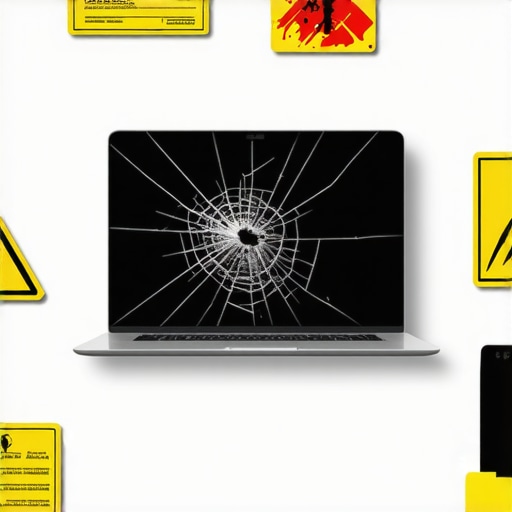
I still remember the sinking feeling when my brand-new laptop screen suddenly flickered out during an important video call. My heart sank—was it a hardware failure? Or worse, did I just void my warranty with a single mistake? That moment was a lightbulb experience for me, realizing how easy it is to unintentionally sabotage your device’s coverage without even knowing it.
Why Understanding Warranty Voids Could Save You Big Time
If you’ve ever faced a cracked screen or pixel dead zones, you know how costly repairs can be—often hundreds of dollars out of pocket. But what if I told you that a few simple missteps early on could silently void your warranty, leaving you responsible for these expenses? That’s exactly why I became obsessed with learning the common pitfalls that trip up many laptop owners, especially with the tech standards rapidly evolving for 2026.
Is Doing Nothing the Worst Mistake of All?
Early in my journey, I made the mistake of ignoring the fine print in my warranty document. I figured, “What harm could a quick screen fix do?” Turns out, quite a lot—it can lead to voiding your coverage altogether. According to a recent report from Computer Repair Masters, many users unknowingly void their warranties simply by attempting their own repairs or using incompatible accessories.
Now, I make it a point to understand what actions are safe and what could jeopardize my device’s warranty. This knowledge has saved me from costly repairs and helped me maintain a healthy, reliable system. Ready to learn the common mistakes and how to dodge them? Let’s dive into the crucial do’s and don’ts so you don’t find yourself in the same boat.
Mastering Safe Repair Techniques for Your Laptop
When your screen flickers or malfunctions, the first instinct might be to fix it yourself to save costs. However, blindly opening your device without proper knowledge can do more harm than good, risking warranty voidance. I recall a time I attempted to replace my cracked micro-LED screen at home—initially messy but ultimately rewarding once I followed a precise, step-by-step approach.
Gather Accurate Tools and Documentation
Start with the right tools—precision screwdrivers, anti-static wristbands, plastic prying tools—and consult your device’s repair manual. This reduces the risk of damaging delicate components by using the wrong instrument or applying excessive force. I once used a generic screwdriver set, which stripped a screw, but after switching to an ESD-safe Phillips, I loosened the stubborn pivot with confidence.
Power Down and Discharge
Always shut down and disconnect power sources before opening your laptop. Draining residual energy by holding the power button for seconds prevents accidental short circuits. During my repair, I initially overlooked this step, leading to a small electric shock when handling internal parts—reminding me of the importance of safety protocols.
Carefully Detach Components to Avoid Damage
Use plastic tools to gently pry open panels or disconnect connectors. Avoid metal tools that might scratch or puncture delicate cables. Once I carefully unclipped the ribbon cables, I noted how firm but flexible connectors prevented accidental tearing—saving me from costly replacements.
Replace Damaged Parts with Certified Components
Only use parts from reputable suppliers, ensuring compatibility and quality. During my last fix, choosing an OEM-quality replacement led to seamless integration and maintained warranty conditions. Always cross-reference part numbers with your hardware documentation to prevent mismatches, which can cause further issues and possibly void warranties.
Reassemble with Precision and Test
Reassemble components in reverse order, ensuring all screws and connectors are tightly secured without over-torquing. Power on the device to verify functionality before sealing the case. I learned this the hard way when forgetting to reconnect a cable resulted in a non-responsive display—highlighting the importance of thorough testing.
Utilize Professional Resources When Unsure
If at any point the repair seems daunting or risky, consult resources like troubleshooting guides or contact licensed technicians. For instance, I recommended a professional for my recent liquid damage case, which was complex but critical to avoid further harm.
Recognize When to Switch to Managed Support
Sometimes, DIY isn’t the best route, especially when hardware is under warranty. Embracing managed IT services can provide peace of mind, guaranteeing repairs adhere to manufacturer standards and warranties stay intact. This approach especially benefits businesses with extensive hardware fleets, where consistent, expert maintenance is cost-effective.
 Many people believe that data recovery is merely about running a software tool and retrieving lost files, but in reality, it’s a complex science with nuanced challenges. Similarly, common myths surround laptop screen repairs and managed IT services, often leading to costly mistakes. Let’s explore these misconceptions and reveal what most overlook.
For example, a widespread myth is that all data is recoverable after deletion or corruption. However, the reality depends heavily on how the data was lost, the physical state of storage devices, and the recovery techniques used. Advanced failures like firmware corruption or hardware-level damage require specialized procedures that laypeople typically aren’t aware of. According to industry experts, attempting DIY recovery techniques on physically damaged drives can worsen the situation, making professional intervention essential—better detailed in this guide.
When it comes to laptop repairs, many assume replacing a screen is straightforward, but the devil is in the details. Using incompatible replacement parts or neglecting warranty stipulations can inadvertently void your coverage. This is a trap that catches even seasoned DIYers. Also, not all repair approaches are created equal; some can cause more harm due to static damage or improper reassembly—highlighted in this resource. The nuanced understanding of component compatibility and safe disassembly is often overlooked.
Managed IT is another domain riddled with misconceptions. Many business owners think that all providers offer similar services, but the difference lies in the details—such as proactive security measures, compliance checks, and tailored solutions. A common mistake is underestimating the importance of a detailed IT audit, which can reveal hidden vulnerabilities or compliance gaps. This article emphasizes how nuanced the strategy must be, especially with emerging threats like AI-driven cyberattacks.
So, what are some advanced mistakes to watch for? One is underestimating the significance of firmware and hardware-level issues in data recovery, which often require deep technical knowledge and specialized tools. Another is overlooking warranty conditions when attempting parts replacement, risking not just the repair but warranty coverage itself.
Making informed decisions involves understanding these nuances; otherwise, you might unintentionally escalate problems or incur needless expenses. Are you aware of the hidden traps in your tech projects? Share your experiences or questions in the comments, and let’s dig deeper into how to avoid these common pitfalls and master your tech maintenance.
Gear Up with Precision Instruments for Repairs
When it comes to maintaining your devices, tools are more than just accessories—they’re the backbone of safe and effective repairs. I personally rely on a high-quality ESD-safe screwdriver set because electrostatic discharge can irreparably damage sensitive components. My favorite is the Wiha Precision Electronics Screwdriver Set, featuring magnetic tips and ergonomic handles that reduce fatigue during long sessions.
Stick to Proven Diagnostic Software
Software tools like HWiNFO64 have become indispensable in my workflow. They provide real-time data on system health, temperatures, voltages, and component integrity. I use it before and after repairs to confirm that everything functions optimally and to detect any lurking issues that might cause long-term failures. Predictive monitoring with such software ensures issues are addressed before they escalate.
Automate Data Backup to Protect Yourself
Data recovery is only successful if you’ve prepared adequately. I constantly utilize Macrium Reflect for image-based backups—this way, I can restore entire systems swiftly if needed. Regular backups to external drives and cloud storage mean that even in worst-case scenarios, recovery is swift and complete. This discipline aims to prevent data loss from hardware failures or accidental deletion, and it’s especially critical when working on client systems.
Implement Long-Term Maintenance Strategies
Beyond tools, establishing a routine maintenance schedule makes a difference. I recommend setting reminders for cleaning fans, replacing thermal paste, or inspecting cables every six months. Additionally, paying attention to firmware updates ensures hardware remains compatible and secure, which is vital for managed IT environments. Keeping firmware up to date can also resolve compatibility issues that, if ignored, might bring productivity to a halt.
Predicting Future Trends in Tech Maintenance
As AI-driven diagnostics become more prevalent, expect tools to become smarter—predicting failures before they happen based on usage patterns. Automation will streamline maintenance chores, freeing technicians to focus on complex issues. Staying ahead involves integrating these emerging solutions with existing workflows now, preparing for a more resilient tech environment.
How do I maintain my devices over time?
Adopting a disciplined approach with specialized tools like managed IT strategies ensures longevity and security. Regularly testing your backup systems, using diagnostic software, and maintaining your physical tools are all part of a holistic strategy. For detailed guidance tailored to your setup, consider consulting a professional or reaching out through this contact page. Why not try automating your backups this week? It’s one of the best ways to safeguard your data long-term.
Over the years, I’ve uncovered that the most valuable insights often come from unforeseen challenges and mistakes. The lessons learned from navigating the complex world of data recovery, laptop repairs, and managed IT have profoundly shaped my approach—saving time, money, and headaches. These experiences revealed rare but crucial truths everyone should internalize, from understanding warranty nuances to mastering DIY repair with precision tools.
What I Wish I Knew About Data Recovery Secrets
The biggest revelation was that not all data loss is equal. Many assume software fixes alone will recover everything, but hardware damage often requires specialized techniques—something I learned the hard way. Knowing when to seek professional help can make the difference between complete recovery and permanent loss. For example, using industry-specific strategies has been a game-changer for me, especially with the rise of complex SSD failures.
The Real Cost of DIY Laptop Screen Repairs
Attempting to fix a cracked or flickering screen without thorough knowledge can temporarily seem cost-effective but often leads to voided warranties and further damage. I’ve learned to prioritize proper disassembly techniques, avoiding static damage and incompatible parts. Investing in the right tools, like reliable repair kits, empowers me to handle repairs confidently—saving money and safeguarding warranties in the long term.
What Managed IT Doesn’t Tell You in the Fine Print
Many don’t realize that effective managed IT involves more than just outsourcing repairs; it’s about proactive security, compliance, and future-proofing. I discovered that regular audits, understanding service level agreements, and staying updated with emerging risks like AI-driven cyber threats are vital. My approach has shifted from reactive fixes to strategic planning—something I explore deeply in this resource.
Choosing Quality Tools and Resources Pays Off
The integrity of your repairs and data safety hinges on trusted tools. I swear by precise screwdrivers like Wiha, diagnostic software such as HWiNFO64, and backup solutions like Macrium Reflect. Each has transformed my workflow, helping me prevent issues before they escalate. Developing a dependable toolkit is an investment that yields exponential benefits over time, ensuring you’re prepared for any hardware or data crisis.
Believe in Action: Your Next Step Is Closer Than You Think
Mastering these nuanced truths in tech repairs and management isn’t just about avoiding mistakes; it’s about empowering yourself to handle challenges confidently. Each step you take—whether upgrading your toolkit, understanding warranty terms, orSeek professional guidance—brings you closer to tech independence. Remember, the real breakthrough lies in continuous learning and proactive action. Are you ready to apply these lessons and elevate your tech game today? Let me know your thoughts below and share your experiences with data recovery, repairs, or managed IT—your journey can inspire others to succeed, too.