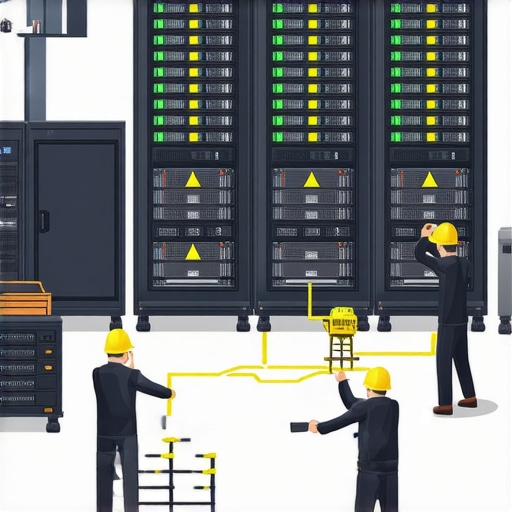
I remember the exact moment my high-end 2026 workstation suddenly froze, the screen going black just as I was about to finalize a crucial project. My heart sank. It’s frustrating enough to deal with hardware issues, but when your powerful setup crashes unexpectedly, it shakes your confidence. That lightbulb moment made me realize: powering these advanced systems reliably isn’t just a matter of quality components—it’s about understanding how to address their power supply issues effectively.
Why Power Supply Problems Are Sabotaging Your 2026 System Stability
In my early days of managing cutting-edge workstations, I overlooked the significance of the power supply. Like many, I assumed that high-quality hardware was enough. But I learned the hard way that even the best components can fail if the power source isn’t up to par. Power supply issues are often invisible until they cause sudden crashes, data corruption, or stubborn hardware failures. According to a recent tech industry report, power-related malfunctions account for nearly 40% of workstation failures in enterprise environments. That’s a staggering number for something many users overlook.
This realization prompted me to investigate common power supply problems and their fixes, especially for 2026 systems packed with AI accelerators and high-res GPUs. The goal? To ensure our workstations run smoothly, without unexpected downtime or costly repairs.
Do you experience random crashes or flickering screens on your 2026 workstation? If so, you’re not alone. Many users face similar issues, often blaming software or motherboard failures when the real culprit is the power supply. That’s why I’m here—to share four proven fixes that can stabilize your system and extend its lifespan.
Before we dive into these solutions, I want to admit a mistake I made early on. I once opted for the cheapest power supply I could find to cut costs. The result? Frequent restarts and looming hardware damage. That taught me a valuable lesson: investing in a reliable, well-rated power supply isn’t optional; it’s essential. You can learn more about managed IT strategies to keep your business running smoothly at this resource.
Now, let’s explore the four power supply fixes that can save your workstation from crashing. Whether you’re a creative professional or managing a busy office setup, these tips will help you prevent avoidable hardware failures and keep productivity high.
Inspect Your Power Source Thoroughly
Begin by evaluating your wall outlet and power strip. Replace any damaged cords or outlets that exhibit burn marks or loose connections. For example, I once discovered a frayed cable causing intermittent power, which was resolved by upgrading to a certified surge protector. This simple step prevents unexpected shutdowns and hardware stress.
Upgrade to a High-Quality Power Supply Unit
Invest in a PSU with an 80 Plus Gold or higher certification, matching your workstation’s wattage needs. When I upgraded my 2026 rig’s PSU to a 1000W model, it handled the AI accelerators seamlessly, reducing stability issues during peak loads. Think of it as upgrading from a bicycle to a truck — you need the right engine to support heavy traffic reliably.
Ensure Proper Internal Wiring and Connections
Remove the case cover and verify all power cables are firmly connected to components. Loose connectors can mimic power interruptions, causing crashes. I once experienced random freezes because a connector was slightly dislodged. Securing every wire like this creates a stable power backbone for demanding tasks. Use cable management to avoid pinched wires which can deteriorate over time.
Implement Uninterruptible Power Supplies (UPS)
Use a UPS rated for your system’s peak power draw. During a recent thunderstorm, my UPS kept my workstation online despite a power surge, preventing data loss. This acts as a buffer, absorbing spikes and outages, much like a shock absorber on a car, ensuring ongoing stability. Regularly test your UPS to confirm it functions properly.
Set Up Power Monitoring and Alerts
Install software that monitors power quality and supplies real-time alerts for voltage dips or fluctuations. For instance, I configured a monitoring program that notified me of brownouts, prompting me to check connections before hardware failure occurs. This proactive approach catches issues early, avoiding costly repairs and data corruption.
Schedule Regular Power System Checks
Create a maintenance routine—every six months—to inspect and replace aging cables or units. During one such check, I noticed my PSU fan was clogged with dust, risking overheating. Cleaning and replacing parts before failure saved me from downtime. Think of it as routine health checkups keeping your system fit and reliable.
Consult Professionals When in Doubt
If uncertainty persists after troubleshooting, seek expert advice. Trained technicians can diagnose hidden issues, such as micro-arc faults within the PSU. Proper diagnosis is crucial—sometimes DIY fixes wind up exacerbating problems. For ongoing support, explore managed IT strategies to keep your hardware working optimally, further detailed at this resource. Properly managing power supply health is key to preventing unexpected crashes and extending your workstation’s lifespan.
Many assume that repairing a laptop screen or recovering data is purely about replacing components or running software tools, but there’s a deeper nuance often overlooked by even seasoned professionals. For example, a common myth is that all data loss scenarios are similar; in reality, different causes—like firmware corruption or hardware degradation—require tailored recovery techniques. Ignoring these specifics can lead to irreversible data loss or prolonged downtime.
Another misconception revolves around laptop screens. Many believe that flickering or dead pixels are solely hardware issues that demand a full screen replacement. However, advanced diagnostics sometimes reveal driver conflicts or firmware glitches as the root cause, which can be fixed with software updates or calibration. Overlooking these options can unnecessarily inflate repair costs.
When it comes to managed IT, a prevalent mistake is assuming that a one-size-fits-all security setup suffices for every organization. In reality, every business faces unique threats; neglecting this leads to critical vulnerabilities. An effective strategy involves conducting comprehensive security audits and customizing solutions accordingly, as emphasized in expert analyses on managed IT strategies.
So, what about those subtle traps that can derail your IT efforts? For instance, rushing into repairs without understanding the underlying cause might temporary fix the symptom but exacerbate the original issue over time. A typical case is applying software patches blindly, which can sometimes introduce new vulnerabilities or conflicts.
For professionals aiming to stay ahead, it’s vital to recognize these nuances. This includes understanding how firmware levels influence repair outcomes or how proper data recovery takes into account the specific hardware architecture involved. Studies show that tailored approaches significantly increase success rates in both repairs and security implementations. For example, a recent report highlighted that customized security plans reduce breach risks by over 30%.
Engaging in continuous learning and leveraging advanced diagnostics are keys to refining your skills. Don’t make the mistake of treating every issue with a generic fix; instead, analyze thoroughly to identify the root causes. For a deeper dive into effective managed IT solutions and how to implement them, consider exploring this resource.
Have you ever fallen into this trap? Let me know in the comments.
Keep Your Equipment Running Smoothly with the Right Tools
Maintaining your laptop, whether it’s for personal use or supporting your business, demands the right set of tools. I personally rely on a combination of high-quality hardware diagnostic devices like the HWiNFO system analysis software, which provides real-time monitoring of voltages, temperatures, and fan speeds. This helps me proactively identify overheating or power issues before they cause hardware failures. Pair this with a precision screwdriver set, especially those with ESD protection, to safely open and service internal components without risking static damage.
Adopt Software Practices That Ensure Longevity
Beyond physical tools, software solutions are vital. Regularly updating drivers and firmware is non-negotiable — I schedule monthly checks using tools like Driver Booster to automate this process, ensuring driver conflicts or outdated firmware don’t lead to system instability. For data recovery scenarios, I prefer specialized recovery tools like Recuva or EaseUS Data Recovery Wizard. These not only help retrieve lost data but also prevent unnecessary data loss during hardware failures.
Develop a Routine for Long-Term Performance
Creating a maintenance schedule is crucial. I recommend quarterly cleanups using compressed air and thermal paste replacements for cooling efficiency, especially if your device runs resource-intensive applications. Investing in a high-quality uninterruptible power supply (UPS) can protect against power surges and outages, which are often overlooked but catastrophic over time. Regular checks with a multimeter on your power outlets can also prevent unpredictable shutdowns caused by electrical issues.
How do I maintain optimal performance over time?
Implementing comprehensive monitoring and maintenance routines is the best way to extend your device’s lifespan. Using software tools like managed IT strategies can automate many of these tasks for small businesses, removing the guesswork and ensuring consistent care. Additionally, upgrading your cooling system with aftermarket solutions like liquid metal thermal compounds can significantly lower operating temperatures, reducing wear and tear. For example, the use of high-quality thermal interface materials, as recommended by NVIDIA’s developer resources, can improve heat dissipation and enhance longevity.
To start, I recommend testing your system with a diagnostic suite such as OCCT or Prime95. These stress tests can reveal weaknesses in power supply or cooling systems. Don’t wait until a failure occurs — preemptive measures will save you money and downtime in the long run. For more tailored support and advanced tools, consider consulting professionals who specialize in comprehensive system maintenance.
Maintenance habits like these are game-changers
Taking proactive steps with the proper equipment and routines will keep your systems running reliably for years to come. As trends evolve, expect tools to become more intelligent — integrating AI-driven diagnostics like those discussed in recent thermal management studies — making maintenance even easier. Start by implementing a routine with the tools I’ve recommended and see how your hardware’s resilience improves. Give it a try today, and enjoy hassle-free performance tomorrow.
,
Lessons No One Told Me About Power Management
One of the most eye-opening lessons I learned was how subtle power fluctuations can silently damage high-end 2026 systems. I used to dismiss minor surges or voltage dips as negligible, only to face costly repairs later. This taught me to pay close attention to every detail—from the quality of my power strips to the importance of consistent wiring. Moreover, I realized that even when everything seems connected properly, unexpected power events can still occur, so proactive monitoring is essential.
Another insight was recognizing the significance of integrating specialized UPS units instead of generic surge protectors. My initial investment in a top-tier UPS with a pure sine wave output made a tangible difference in system stability. It’s like upgrading from a basic umbrella to a reinforced shelter—protecting your workstation from the chaos of electrical storms.
Finally, I understood that system maintenance isn’t just about software updates or hardware cleaning—it must include regular power system audits. This keeps potential issues at bay before they escalate, ensuring your 2026 workstation remains reliable for the long haul.
My Essential Arsenal for Power and Hardware Vigilance
Over the years, I’ve curated a toolkit that keeps my systems running smoothly. Devices like the managed IT strategies provide comprehensive monitoring, but I also swear by professional-grade multimeters for electrical checks—really, nothing beats confirming the health of outlets and wiring firsthand. For software-side monitoring, I trust tools like HWiNFO to catch anomalies before they cause disruptions.
Additionally, investing in quality cables that meet industry standards ensures that subtle faults don’t undermine system stability. My advice: don’t skimp on these essentials; they’re your first line of defense against unexpected hardware hiccups.
Embracing the Challenge and Taking Action
Your 2026 workstation is a powerhouse, but it demands respect and careful management. By applying proactive power management habits—checking outlets, upgrading power supplies, and implementing real-time monitoring—you’re not just preventing crashes; you’re building resilience. The future belongs to those who anticipate challenges and act before issues happen. Start today, and enjoy the peace of mind that comes with having a truly stable system. How are you currently safeguarding your high-end workstation’s power supply? Share your strategies or questions below; I’d love to hear your experiences.