

I remember sitting at my desk last Tuesday, squinting at a spreadsheet that looked more like a bowl of overcooked fettuccine than a professional document. My screen had developed this weird, sickly yellow tint. At first, I panicked. I thought the backlight was dying or that I’d finally pushed my graphics card too far. It’s a gut-sinking feeling when your primary tool starts acting up, especially when you have a deadline looming. I almost ran out to buy a new machine, but I’ve learned the hard way that jumping to conclusions is the fastest way to drain your bank account. I once spent $80 on a diagnostic fee only to realize I had manually enabled a ‘reading mode’ and forgotten about it. Trust me, I’ve made all the computer repair for beginners avoid costly mistakes so you don’t have to. Today, we are going to get to the bottom of why your display looks like an old library book and how to get those crisp whites back.
That Moment I Thought My Screen Was Dying
One of the most frustrating things about modern tech is how many ‘helpful’ features are actually hidden annoyances. This yellow hue usually stems from one of three things: a software setting, a driver conflict, or—worst case—failing hardware. When it happened to me, I was convinced it was the latter. I was looking for laptop-screen-repair-diy-tips-for-clearer-displays before I even checked my settings. Why does this matter right now? Because with more of us working late hours, our operating systems are trying to ‘save’ our eyes, often without us realizing they’ve taken over. According to a report by Harvard Health Publishing, blue light can significantly disrupt your circadian rhythm, which is exactly why companies like Microsoft and Apple baked these yellow filters directly into their software. But when those filters get stuck, it becomes a productivity killer.
Is my monitor actually broken or am I just overreacting?
It’s the question that keeps us up at night. Is it a $10 software fix or a $300 replacement part? Usually, if the tint is perfectly uniform across the whole screen, you’re looking at a software issue. If it’s blotchy or changes when you move the lid, then we might need to look at laptop screen replacement step-by-step repair guide. Have you ever stared at your screen and wondered if you were wearing sunglasses you forgot to take off? It’s more common than you think. [image]
The Hidden Culprits Behind the Yellow Glow
Before you start tearing your hair out, we need to talk about the ‘Night Light’ or ‘Night Shift’ settings. These are the primary suspects. I’ve seen so many people bring their laptops into shops for tips for troubleshooting laptop screen problems seamlessly only to find out their schedule was set to ‘Always On.’ Another sneaky culprit is the color profile provided by your manufacturer. Sometimes, an update rolls out that forces a ‘Warm’ profile onto your monitor, making everything look like it’s been through a sepia filter. We’re going to walk through the exact steps to reset these profiles and check your graphics drivers to ensure your hardware is actually talking to your software correctly. If your screen looks like it has a persistent yellow hue, don’t worry—most of the time, the fix is just a few clicks away.
Turn Off the Software-Induced Sunset
First, we need to kill the most obvious offender. On Windows, right-click your desktop and head to Display Settings. You are looking for Night Light. On a Mac, it is Night Shift under Displays. I once drove forty minutes to help a friend who thought his laptop had ‘jaundice,’ only to find out his toddler had dragged the warmth slider all the way to the right. It is a simple toggle, but it is the tech equivalent of accidentally putting on orange-tinted ski goggles. If that slider is off but the screen is still yellow, we need to dig into the color profiles. These settings tell your monitor how to interpret colors, and sometimes they get ‘stuck’ in a warm preset. Check your Control Panel, search for Color Management, and see what is listed under the Devices tab. You want to ensure the Use my settings for this device box is checked and try switching to a generic sRGB profile. It is like resetting the white balance on a camera; it tells the screen exactly what pure white should look like. 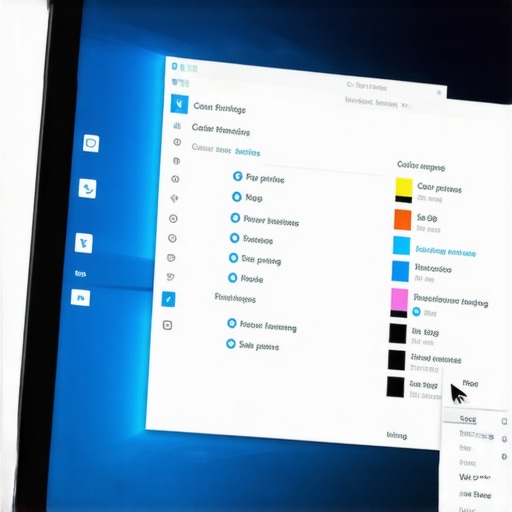
The Driver Update That Actually Matters
If the software seems fine, your graphics driver might be the one lying to you. Think of a driver as a translator between your computer’s brain and the screen. If that translator is confused or outdated, you get weird results. I remember a specific Intel UHD update in late 2022 that turned thousands of screens yellow overnight. I spent three hours troubleshooting common computer repair issues effectively on my own rig before realizing it was a buggy driver. Head to the Device Manager, find your Display Adapter, and check for updates. Sometimes, the best driver isn’t the newest one—rolling back to a previous version can actually provide the tips for troubleshooting laptop screen problems seamlessly that saves your sanity. If you have tried all these and the screen still looks like dusty parchment, we have to consider hardware. A failing backlight or a pinched video cable can cause tinting. A quick way to test this is by plugging in an external monitor. If the external monitor looks perfect, then you are definitely looking at laptop-screen-repair-diy-tips-for-clearer-displays or even need to learn how to tell if your laptop screen backlight is actually failing. For those just starting out, computer repair for beginners avoid costly mistakes often starts with confirming it isn’t just a loose internal ribbon cable before buying a whole new panel. Hardware issues are rarer for tinting, but they do happen, especially after a drop or spill.We’ve all been told that blue light is the enemy of sleep. While that’s true, there’s a massive misconception that simply turning your screen yellow solves the problem of eye strain. In my experience, relying too heavily on software filters can actually mask the first signs of hardware failure. Most users assume that if the screen looks ‘off,’ it’s just a setting. However, if you are seeing a persistent yellow hue that stays visible even during the BIOS boot-up, you’re not looking at a software glitch—you’re looking at a physical backlight aging out. The American Academy of Ophthalmology points out that digital eye strain is caused more by how we use our screens (like blinking less) rather than the blue light itself. By over-yellowing your display, you might be forcing your eyes to work harder to resolve contrast, which is the exact opposite of what you want.
Can a bad color profile actually mimic a hardware failure?
This is where things get technical. I’ve seen businesses spend thousands on replacements because their fleet of laptops looked ‘dim and dirty.’ They thought they needed a laptop-screen-repair-diy-tips-for-clearer-displays guide, but the issue was a pushed ICC profile from a central server update that over-corrected the white balance. If you’re a business owner, this is why managed IT strategies to keep your business secure in 2025 should always include hardware-standardization audits. When your IT team doesn’t check these nuances, productivity drops because your staff is literally squinting at their work for eight hours a day.
The ‘Clean-Up’ Mistake That Ruins Professional Displays
The ‘oops’ factor here is huge. I once watched a junior tech delete all the factory ‘Color Management’ profiles in an attempt to ‘clean up’ a system. The result? A screen that flickered between green and yellow every time a high-resolution video played because the OS had no reference for the panel’s native color space. If your screen is acting up, don’t just delete things in a panic. You need to know how to tell if your laptop screen backlight is actually failing before you start messing with the system registry or deep-level drivers.  Have you ever fallen into this trap where you thought it was a simple setting but it turned out to be something much deeper? Let me know in the comments. For those running a business, seeing these ‘small’ visual glitches can be a sign that your infrastructure is aging. This is exactly why managed IT is a game-changer for growing companies—it catches the hardware degradation through monitoring before your staff even notices the tint. When we look at tips for troubleshooting laptop screen problems seamlessly, we have to look past the obvious sliders and understand the hardware-software handshake.
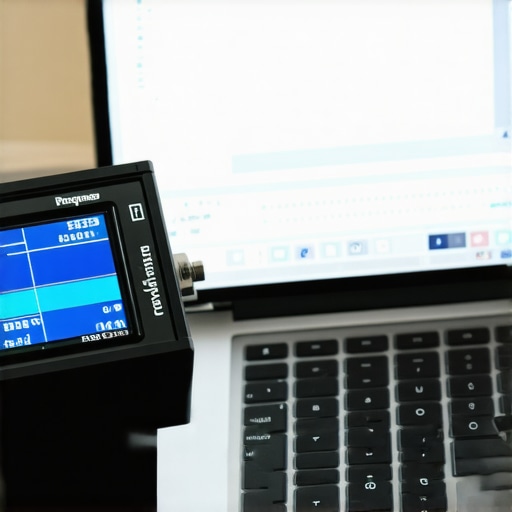
I learned the hard way that clicking around in Windows settings only gets you halfway to a perfect display. If you really want to banish that yellow tint for good, you have to stop guessing. For my professional work, I’ve stopped relying on my eyes alone and started using a hardware colorimeter. I personally use a Datacolor SpyderX because it takes the environmental light in your room into account. It clips onto your screen and creates a custom ICC profile that is actually accurate, rather than just ‘less yellow.’ If you are still struggling after a software reset, it might be because of power delivery issues; I’ve seen displays act strangely because of poor voltage, which is why understanding the truth about using generic chargers on expensive business laptops is so vital. A cheap power brick can introduce electrical noise that mess with your backlight’s stability.
Get a hardware colorimeter before you buy a new panel
Software is great, but it is limited by your graphics card’s interpretation of color. According to the technical documentation for DisplayCAL, an open-source calibration standard, software-only tweaks often lead to ‘banding’ in your gradients. This happens because you’re essentially forcing the software to skip certain color values to achieve the desired temperature. A hardware tool actually talks to the monitor’s internal hardware to adjust the output at the source. This is the same level of precision required for how to fix a grainy laptop camera for professional meetings—it’s about having the right data before you make an adjustment. If your screen still looks like a manila folder, the hardware tool will tell you if the LEDs themselves are actually failing, saving you hours of useless clicking.
How do I keep my screen colors from drifting?
Consistency is about more than just settings; it is about heat management. Most people don’t realize that as a laptop gets hot, the liquid crystals in the display can actually react differently, causing temporary color shifts. This is why the-move-that-keeps-your-laptop-from-overheating-on-your-lap is so important for long-term display health. I make it a habit to recalibrate my main machine every three months. Over time, the blue LEDs in your backlight degrade faster than the red and green ones, which is the physical reason why older screens naturally turn yellow. By recalibrating, you’re basically telling the software to ‘dim’ the other colors to match the fading blue, keeping your whites looking white for as long as the hardware allows.
Watch out for the OLED burn-in shift
Looking ahead, the ‘yellow screen’ problem is going to change significantly. As we move away from traditional LCDs and toward OLED panels, we won’t be dealing with fading backlights, but with individual pixel degradation. I predict that within the next three years, AI-driven ‘pixel shifting’ will become the standard for preventing these tints before they even happen. For businesses, this means that managed IT solutions streamlining operations for small businesses will eventually include remote display health monitoring. We won’t wait for a user to complain that their screen looks weird; the system will flag that a specific panel’s blue sub-pixels are at 80% health and automatically adjust the profile to compensate. It’s an exciting jump in tech, but it makes the ‘software-hardware handshake’ more complex than ever. If you want to see if your current setup is actually healthy, I highly recommend downloading a trial of DisplayCAL today and running a ‘verification’ report; it will give you a clear ‘pass’ or ‘fail’ on your current color accuracy so you know exactly where you stand.
The One Mistake That Taught Me Everything About Panel Tint
Looking back, the biggest lesson I learned wasn’t about a specific Windows setting; it was about environmental context. I once spent hours trying to calibrate a screen in a room with warm yellow light bulbs, only to realize the screen was fine—my eyes were just compensating for the ambient light. Before you assume you need a laptop screen replacement step-by-step repair guide, try looking at your device in natural daylight to see if the hue persists. Also, never ignore the heat factor. A laptop that runs hot can eventually shift colors due to thermal stress on the liquid crystal layer. That is why I always emphasize the move that keeps your laptop from overheating on your lap to preserve the panel’s long-term health. Finally, if the tint shows up even on the manufacturer’s logo during a reboot, you’ve moved past software glitches and are likely facing a hardware limitation. Learning computer repair for beginners avoid costly mistakes means knowing when to stop clicking and when to start checking physical connections.
My Personal Arsenal for Color Correction and Screen Health
If you are serious about fixing your display, I recommend a professional-grade approach. First, download DisplayCAL; it is a powerful open-source tool that offers much deeper control than standard OS settings. Second, consider investing in a hardware colorimeter like the SpyderX if you perform any color-sensitive work. Third, protect your hardware from electrical noise. I’ve seen unstable power delivery cause subtle flickering and yellow tinting, so understanding the truth about using generic chargers on expensive business laptops is essential for anyone wanting to keep their display in top shape. These are the tips for troubleshooting laptop screen problems seamlessly that I wish I had when I first started repairing my own gear.
Take Back Your Crisp Whites Today
You don’t have to live with a display that looks like an old newspaper. Whether it’s a simple Night Light toggle or a deeper hardware calibration, your productivity depends on a clear, accurate view of your work. Don’t let a minor glitch turn into a major frustration. Now that you know why your laptop screen has a persistent yellow hue, you have the power to fix it or make an informed decision about a potential repair. If you’ve tried these steps and things still look off, it is probably time to check how to tell if your laptop screen backlight is actually failing before the screen goes dark entirely. Have you ever had a screen setting drive you crazy for weeks before you found the solution? Let me know in the comments below!