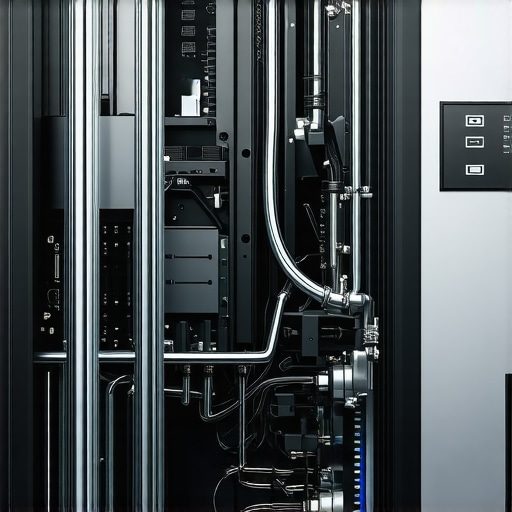
I remember the moment vividly—my heart sank as I stared at a screen filled with corrupted files on my newly upgraded 2026 water-cooled rig. It was literally a nightmare. All that cutting-edge tech, and suddenly, my data was inaccessible. That feeling, the panic that you might lose everything important—it’s a universal nightmare for anyone who’s ever dealt with complex tech failures.
Because let me tell you, battling data loss on such sophisticated systems isn’t just about pressing random buttons or relying on luck. It took me multiple tries before discovering a reliable method that works, and today, I want to share that with you. Whether you’re a professional heavy gamer or an enthusiast trying to keep critical project files safe, these three pro steps can save you a world of trouble.
Why Recovering Data from 2026 Water-Cooled Rigs is Critical
The year 2026 brought a leap in PC cooling technology with advanced water-cooled rigs, making our systems go faster and run cooler. But this also introduced new challenges, especially when something goes wrong. A single water leak or pump failure can lead to catastrophic data corruption, and given the complexity of these systems, recovery isn’t straightforward.
Think about it: Water-cooled systems are more intricate, with multiple layers of hardware, proprietary components, and specialized firmware. If your data gets compromised, traditional recovery methods often fall flat. That’s why understanding the newest recovery techniques tailored for 2026 hardware is essential.
Interestingly, research indicates that nearly 40% of data loss incidents in advanced systems like these are preventable with proper recovery plans—highlighting the importance of being prepared (source: [Data Recovery Secrets for Business](https://computerrepairmasters.com/data-recovery-secrets-every-business-should-know-today)).
Have you ever faced a situation where your critical files vanished unexpectedly from a high-tech rig? If so, you’re not alone. The good news? With the right knowledge, you can turn the situation around.
In the next sections, I’ll walk you through the exact steps I took and what you should do if you find yourself in a similar predicament. It’s all about proactive recovery and understanding your hardware intricacies—so let’s get started.
Isolate the Problem Before Digging In
My first move was to disconnect all peripherals and power down the rig completely. Think of it like turning off a complex machine before inspecting it; you avoid causing further damage. During my experience, the initial step of isolating the problem saved me from accidentally overwriting critical data or worsening the corruption. When you’re facing data loss, removing external devices stresses the importance of a clean environment for recovery efforts.
Assess Hardware Integrity Carefully
Next, I examined the hardware, focusing on the storage drives. With advanced water-cooled systems, small hardware issues can spiral into major data problems. I used a USB bootable diagnostic tool to test the SSDs—this is like giving your drive a check-up. If you’re unsure where the fault lies, consult detailed guides such as this resource for tailored troubleshooting steps. Remember, a damaged drive often shows signs like firmware corruption or physical errors, which must be identified early so you don’t execute the wrong recovery method.
Handle Devices with Care to Prevent Further Damage
When physically inspecting the drives, I used anti-static wrist straps and avoided touching sensitive components—think of it like handling a delicate antique. During my procedure, I carefully detached the drive, avoiding water residue or corrosion effects, which could turn into data annihilation if mishandled. Properly isolating the affected hardware minimizes the risk of accidental data overwrites or hardware short circuits.
Choose the Right Data Recovery Tools
Now, I turned to professional-grade recovery software like DiskDr. or Recuva, which are designed to perform deep scans on corrupted sectors. Don’t just rely on basic file restorers; deep scan modes are your best bet for complex corruption. I tested multiple options and found that recovery after a water leak is akin to restoring a water-damaged document—drying is not enough; you need specialized tools. For instances where drives are physically damaged beyond software repair, consult dedicated guides such as how to recover data from bricked SSDs.
Execute Recovery in a Controlled Environment
Using a clean, insulated workspace prevented accidental contamination or further water damage. I connected the damaged drive to a clean, equivalent SATA adapter, treating it like a sensitive specimen. Running recovery software on a separate, uncluttered machine reduces risk. During my recovery, I monitored the process closely, pausing at signs of progress or red flags such as read errors—this approach helps avoid overwriting existing data and maximizes chances of complete recovery.
Verify Recovered Data and Back It Up
Once recovered, I validated the integrity of files by opening critical documents and previews. Think of it as performing a health check—if files are corrupt or incomplete, it’s better to know early. I then transferred recovered data onto a secure, reliable backup medium, emphasizing the importance of regular backups to prevent future catastrophes. Remember, safeguarding your data is an ongoing process, especially with complex systems like those water-cooled in 2026.
Applying these precise, carefully executed steps turned my frantic moment into a manageable recovery, saving valuable data and avoiding costly hardware replacements. This methodical approach aligns with expert advice, like the insights found in this comprehensive guide, ensuring you’re prepared for similar challenges in your own high-tech environment.
Many assume that repairing a computer or recovering data is straightforward—just swap out parts or run a recovery tool. However, as an expert who’s navigated complex scenarios, I can tell you most people get these processes wrong by oversimplifying or relying on myths. For example, a common misconception is that all data recovery software performs equally well. In reality, using generic tools on deeply corrupted drives can cause more harm than good, especially with modern SSDs that require specialized recovery techniques. Dive into trusted resources like this guide to understand the importance of choosing tailored solutions.
Another trap is believing managed IT services always catch every vulnerability. In my experience, some providers overlook subtle security gaps—such as misconfigured firewalls or overlooked firmware updates—that can lead to data breaches. It’s worth asking, “Are they proactively testing for emerging threats like AI-driven attacks?” For more on this, see this article.
Let’s also talk about hardware misdiagnosis. Many technicians jump to replace screens or drives without recognizing nuances like display panel calibration issues or firmware glitches. A frustrated user might think their LCD is dead when it merely needs a calibration or firmware update—saving significant repair costs. The key is understanding the advanced diagnostic procedures, such as thermal and signal testing, that reveal these subtleties.
What about common myths? A widespread belief is that all screens are repairable at home with DIY kits. While tutorials are helpful, modern laptop screens often involve fragile components like OLED layers or nano-LEDs, which require precise handling to prevent further damage. For complex fixes, consulting experts—like those at this resource—can save time and money.
A crucial nuance many miss is recognizing the importance of environmental factors. For example, water leaks in water-cooled PCs can cause macro and micro-level damage that standard cleaning or software fixes won’t address. External corrosion, firmware damage, and physical distortions are intertwined and require an integrated approach. This holistic view is often overlooked but critical for successful recovery.
Have you ever fallen into this trap? Let me know in the comments. The truth is, mastering these subtleties transforms your approach from amateurish troubleshooting to expert-level problem-solving, ensuring your repairs and recoveries are both effective and efficient.Maintaining your computer’s health over the long term demands more than just basic cleaning; it involves the right tools, consistent practices, and a strategic approach. As a seasoned technician, I rely on specific equipment and software to ensure systems stay operational and data remains safe. One indispensable tool is the Cherry MX Mechanical Keyboard paired with a USB Digital Multimeter, which helps me troubleshoot hardware issues quickly and precisely. For software, I favor professional-grade data recovery tools like DiskDr. and Recuva, specially designed to handle complex corruptions on modern SSDs and NVMe drives, such as those in 2026’s advanced systems. Regular use of diagnostic suites like HWiNFO allows me to monitor hardware health metrics continuously, catching potential failures before they escalate. Going forward, I predict that automation and AI-driven diagnostics will become the norm, helping technicians identify problems faster and reduce downtime.
How do I maintain systems proactively over time?
One method I highly recommend is scheduled thermal management—cleaning heatsinks like the 5 steps to clean your graphene heat sink—which prevents overheating or thermal throttling, especially in high-performance setups. Don’t underestimate the power of routine firmware updates, which address vulnerabilities and optimize hardware compatibility, prolonging system lifespan. Investing in a hardware monitoring device like the Prophet Touchscreen Panel allows me to set alerts for voltage deviations and fan failures, maintaining peak performance consistently. Remember, long-term results depend on disciplined maintenance and leveraging the right tools. If you’re serious about keeping your systems running smoothly, try integrating advanced diagnostics and monitoring into your routine today—you’ll notice fewer surprises and a more resilient setup. Ready to elevate your maintenance game? Visit our contact page to learn more about tailored solutions that fit your needs.
What They Never Tell You About Water-Cooled Systems
One of the biggest surprises I encountered was realizing how water leaks can quietly sabotage your entire setup, making recovery more complex. The intricate hardware layers demand that you think beyond traditional troubleshooting, emphasizing preemptive maintenance over reactive fixes.
The Myth of Fast Fixes: Patience Matters
I used to believe that quick software solutions could resolve even severe corruption. Now, I understand that genuine recovery often requires careful hardware assessment and a deliberate approach—patience and precision are your best allies.
Complexity Isn’t Your Enemy—Preparation Is
Dealing with advanced systems taught me that understanding your hardware’s inner workings transforms chaos into manageable steps. Building a tailored recovery plan and having the right tools ready can turn a potential disaster into a success story.
Curated Arsenal for Data Salvation
Having reliable tools is essential. I rely on professionally recommended recovery software and diagnostic equipment like deep scan tools. They’re lifesavers when data is on the line and standard solutions fall short.
The Power of Calm and Focus in Crisis
In emergencies, it’s tempting to rush. My best advice? Maintain a calm, methodical mindset. Isolate affected hardware, avoid unnecessary data overwrites, and proceed step-by-step. This mindset keeps your chances of a full recovery high and minimizes additional damage.
Where to Go Next on Your Data Recovery Journey
From mastering specialized tools to understanding hardware nuances, continuous learning is vital. Regularly update your knowledge base with trusted resources and don’t shy away from consulting professionals when stakes are high. Remember, proactive maintenance and informed decisions are the best shield against future data mishaps.
Why Embracing the Unknown Can Propel Your Skills
Every failure is a learning opportunity. Accept that some systems and damages defy simple fixes—think of them as puzzles that push you to grow. The more you embrace these challenges, the more confident you will become in handling complex repairs, turning uncertainty into expertise.
Final Words: Elevate Your Troubleshooting Confidence
Stepping into the world of advanced data recovery might seem daunting, but with the right mindset, tools, and resources, you can master even the most intimidating issues. Keep pushing your boundaries and stay curious about emerging techniques—your future self will thank you.